Argentina Pensioners and Soccer Fans Unite in Protests Against Austerity Measures
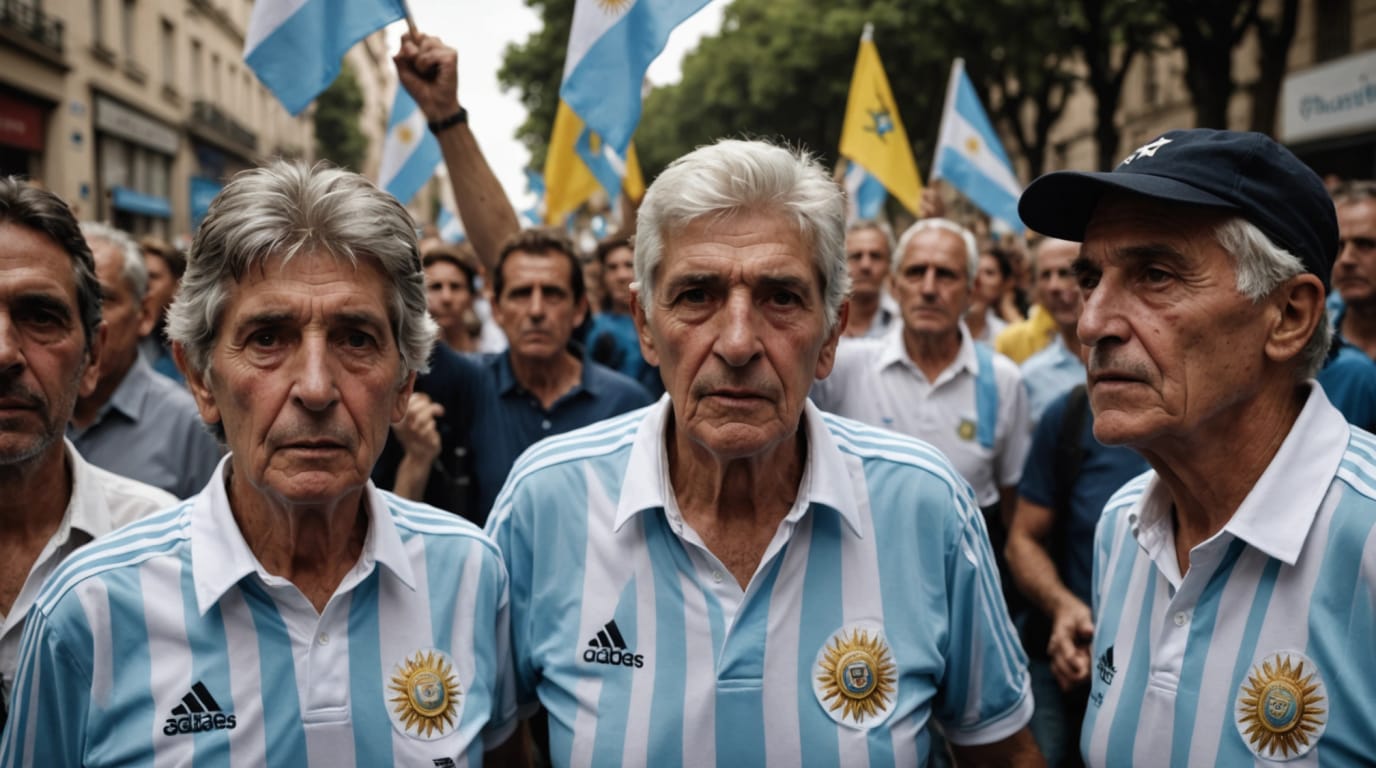
BUENOS AIRES, Argentina – A wave of protests has gripped Argentina as pensioners and soccer fans, two seemingly disparate groups, have joined forces to voice their discontent with the austerity measures implemented by President Javier Milei's government. Demonstrations, particularly in front of the National Congress in Buenos Aires, have grown in size and intensity, culminating in clashes with police and raising concerns about the social and economic impact of the government's policies.
The unlikely alliance highlights the widespread frustration over rising living costs and the perceived inadequacy of pension benefits under Milei's administration. While the government defends its measures as necessary to stabilize the economy, critics argue that they disproportionately affect the most vulnerable segments of society, including retirees who are struggling to make ends meet. The involvement of soccer fans, known for their passionate displays of support, adds a new dimension to the protests, amplifying the message of discontent and raising the stakes for the government.
Economic Hardship Fuels Protests
Argentina has been grappling with economic instability for years, characterized by high inflation, currency devaluations, and persistent fiscal deficits. President Milei, who assumed office a year and a half ago, has implemented a series of austerity measures aimed at curbing public spending and restoring economic order. These measures include cuts to government programs, layoffs of state employees, and reforms to the pension system.
While the government touts some success in controlling inflation, the social cost of these policies has been significant. Pensioners, many of whom rely on fixed incomes, have seen their purchasing power eroded by rising prices. Reports indicate that a significant percentage of retirees receive only the minimum pension, which is insufficient to cover basic living expenses. This has led to a sense of desperation and fueled the weekly Wednesday protests outside the National Congress.
Soccer Fans Join the Cause
In an unprecedented show of solidarity, fans from some of Argentina's most prominent soccer clubs, including Boca Juniors, River Plate, Racing, and Independiente, have joined the pensioners' protests. This alliance is particularly notable given the intense rivalries that exist between these clubs. However, the shared concern over the plight of pensioners has transcended these divisions, uniting fans in a common cause.
The involvement of soccer fans has significantly amplified the protests, both in terms of numbers and visibility. Known for their passionate displays of support, the fans have brought energy and attention to the pensioners' cause. Their presence has also raised concerns about potential violence, as some fans have a history of hooliganism.
Clashes with Police Escalate
Recent protests have been marked by increasing clashes between demonstrators and police. Security forces have used tear gas, rubber bullets, and water cannons to disperse protesters, while some demonstrators have responded by throwing stones and other objects. These confrontations have resulted in injuries to both protesters and police officers, raising concerns about the potential for further escalation.
The government has defended the police response, arguing that it is necessary to maintain order and prevent the protests from disrupting public life. However, critics have accused the police of using excessive force and violating the rights of peaceful protesters. The deployment of a large number of security personnel, estimated at 800 officers, has also been criticized as an attempt to intimidate and suppress dissent.
Government Response and Future Outlook
The government of President Milei has condemned the protests, accusing the demonstrators of being "hooligans" and attempting to destabilize the country. Security Minister Patricia Bullrich has defended the police actions and vowed to maintain order. The government has also implemented measures to restrict access to soccer stadiums for individuals involved in violent protests, further escalating tensions with the fan base.
Despite the government's tough stance, the protests show no signs of abating. Pensioners and soccer fans remain determined to voice their grievances and demand changes to the government's policies. The situation remains tense, and the potential for further clashes and social unrest remains high.
A Nation Divided
The protests reflect a deeply divided Argentina, with strong opinions on both sides of the political spectrum. While some Argentinians support President Milei's efforts to stabilize the economy, others believe that his policies are causing undue hardship and exacerbating social inequalities. The involvement of pensioners and soccer fans in the protests highlights the broad range of concerns and frustrations that exist within Argentine society.
As Argentina heads towards midterm legislative elections in October 2025, the protests are likely to continue and intensify. The outcome of these elections will have a significant impact on the future of the country and the direction of its economic and social policies. Whether the government can address the concerns of protesters and find a way to bridge the divide remains to be seen. The coming months will be critical in determining the future of Argentina and its ability to navigate its current challenges.


