Armenia at a Crossroads: Elections Shape Nation's Geopolitical Future Amidst Shifting Alliances
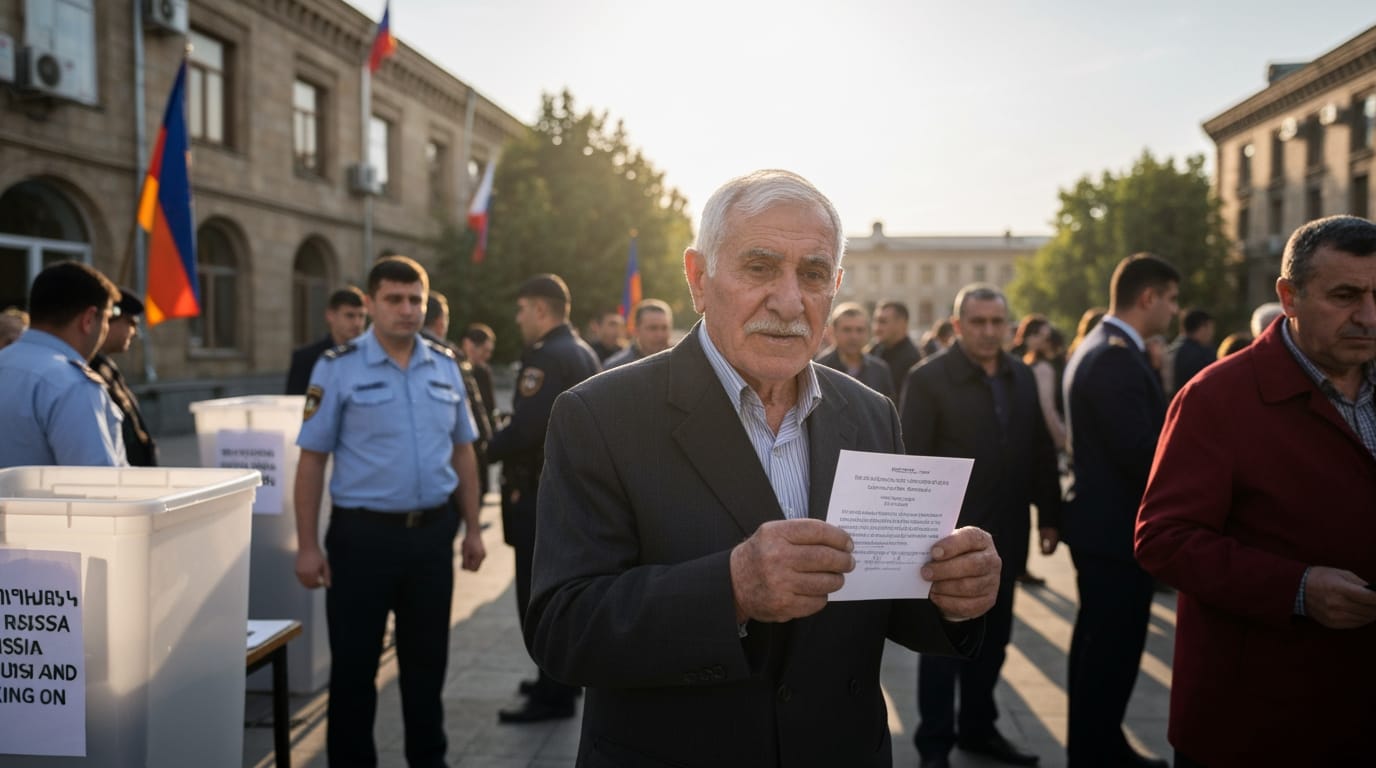
YEREVAN – Voters in Armenia headed to the polls on June 7, 2026, in a pivotal parliamentary election widely seen as a referendum on the nation's future geopolitical alignment and its path toward peace following the traumatic Nagorno-Karabakh conflict. The snap elections, the first regular parliamentary vote since 2017, come at a time of profound transformation for the South Caucasus republic, with both Russia and the European Union closely monitoring the outcome. Prime Minister Nikol Pashinyan's ruling Civil Contract party seeks to secure a new mandate amidst a complex domestic landscape and an international arena marked by Armenia's noticeable shift away from its traditional reliance on Moscow towards deeper engagement with the West.
A Nation at the Polls Amidst Geopolitical Crosscurrents
The June 7 election is Armenia's first national vote since Azerbaijan's successful recapture of Nagorno-Karabakh in 2023, an event that led to the forced displacement of over 100,000 ethnic Armenians and fundamentally reshaped the country's political discourse and foreign policy orientation. Prime Minister Pashinyan, in power since the 2018 "Velvet Revolution," has positioned his government on a course of "diversification," actively seeking to reduce dependence on Russia and foster closer ties with Europe and the United States. A cornerstone of this policy is the pursuit of a comprehensive peace agreement with Azerbaijan and normalization of relations with Turkey, a strategy that is not universally popular within Armenia.
The electoral campaign has been intensely polarized, with issues of war, peace, and national security dominating public debate. Pashinyan's Civil Contract party has championed the message of achieving lasting peace and stability, while opposition factions criticize his approach as making undue concessions to Azerbaijan. Despite some erosion of support, recent polls indicated Civil Contract as the frontrunner, though potentially without a commanding majority required for stable governance. The outcome holds significant implications for the potential ratification and implementation of a peace agreement with Azerbaijan, which was initially signed in August 2025 under U.S. mediation, but awaits Armenia's constitutional amendments to proceed.
Russia's Fading Grip and Strategic Countermoves
For centuries, Russia has played a dominant role in Armenia's political, economic, and security landscape, viewing the South Caucasus as part of its sphere of influence. However, relations have grown increasingly strained, particularly following Russia's perceived inaction during the 2020 and 2023 Nagorno-Karabakh conflicts. Prime Minister Pashinyan openly stated in September 2023 that relying solely on Russia for security was a "strategic mistake," accusing Moscow of failing to meet Armenia's security needs. Armenia has since frozen its participation in the Russia-led Collective Security Treaty Organization (CSTO) and reduced arms procurement from Moscow, opting to explore military cooperation with other nations like India and France.
This geopolitical shift has not gone unnoticed in Moscow. The Kremlin is keenly observing the Armenian elections, with several reports suggesting Russia is actively working to influence the outcome. Russian officials have reportedly expressed concerns about the marginalization of pro-Russian forces, and there have been allegations of "hybrid threats" including disinformation campaigns, influence operations, and financial co-option aimed at swaying voters. Opposition parties, notably the "Armenia Alliance" led by former president Robert Kocharyan, openly advocate for a restoration of closer ties with Russia, presenting a clear pro-Moscow alternative to Pashinyan's Western-leaning policies. The arrests of a Russian-Armenian billionaire and two archbishops in 2025 on charges of attempted coup were linked to alleged Russian interference, highlighting the deep sensitivities surrounding external influence.
Europe's Growing Embrace and Armenia's Western Lean
Concurrently, the European Union has intensified its engagement with Armenia, signaling support for Yerevan's democratic reforms and its "diversification" policy. This increased interaction includes economic assistance, diplomatic initiatives, and security cooperation. The first-ever EU-Armenia summit was held in Yerevan in May 2026, building on a Strategic Agenda adopted in December 2025 that significantly expanded areas of cooperation. Armenia's parliament adopted legislation in 2025 expressing an intention to pursue EU membership, and a second Common Security and Defence Policy (CSDP) civilian mission, the EU Partnership Mission in Armenia (EUPM Armenia), was established in April 2026 to enhance the country's resilience against hybrid threats.
The election is being observed by multiple international missions, including a long-term election observation mission from the OSCE Office for Democratic Institutions and Human Rights (ODIHR) and a delegation from the European Parliament, underscoring the international community's vested interest in the fairness and transparency of the process. These missions aim to monitor campaigning, ensure compliance with legal frameworks, and assess the impact of any foreign interference, particularly concerning disinformation.
The Domestic Landscape and Voter Concerns
Beyond the geopolitical considerations, Armenian voters grapple with pressing domestic issues. The economic impact of the Nagorno-Karabakh conflict, coupled with challenges such as inflation and a real estate crisis exacerbated by an influx of Russian and Ukrainian nationals, remains a key concern. While Pashinyan's government has focused on economic growth and reforms, public dissatisfaction is evident, as reflected in the ruling party's performance in local elections in March 2025.
The political field is fractured, with 18 parties and alliances competing for seats in the 101-member parliament. Despite Pashinyan's party leading in pre-election polls, a significant portion of the electorate remains undecided or disillusioned, reflecting a broader mistrust in political figures following years of turbulent events. The political discourse leading up to the election has been characterized by intense polarization and inflammatory rhetoric, a trend observed in previous elections as well. The integration of displaced Karabakh Armenians and their welfare also presents a significant social and political challenge.
A Pivotal Moment for Armenia's Future
The June 7 parliamentary elections represent a critical juncture for Armenia, as the nation navigates a complex interplay of domestic discontent, regional rivalries, and competing international influences. The outcome will not only determine the composition of the next government but could also solidify Armenia's foreign policy trajectory for years to come. The delicate balance between maintaining pragmatic ties with Russia, due to economic and energy dependencies, and forging stronger partnerships with Europe and the United States will define Armenia's ability to create greater strategic space for itself in a volatile region. The world watches as Armenia chooses its path, a decision that will reverberate far beyond its borders.


