Chad Announces Withdrawal from International Criminal Court, Citing Selectivity and External Pressure
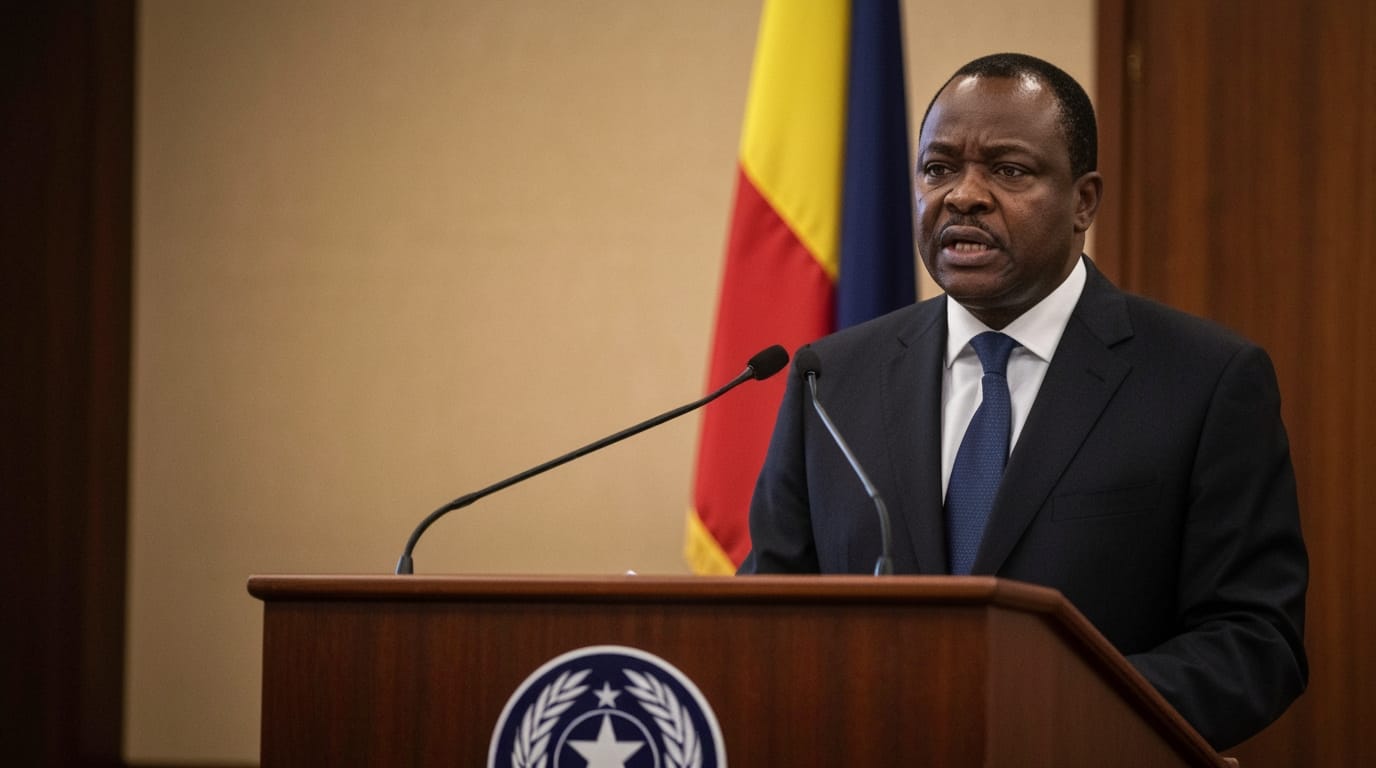
N'DJAMENA, Chad – Chad has officially declared its intention to withdraw from the International Criminal Court (ICC), delivering a formal notification to the United Nations Secretary-General on Monday, July 27, 2026. This move marks a significant blow to international justice mechanisms, as Chad becomes the latest African nation to distance itself from the Hague-based tribunal, following a comprehensive review that concluded the court's effectiveness was "limited and uneven" with an undue focus on African states.
The Chadian government's decision, announced via its foreign ministry, underscores a deepening dissatisfaction among some African countries regarding the court's perceived impartiality and operational biases. Officials in N'Djamena highlighted that an "in-depth review" of the ICC's functioning since its inception in 2002 revealed a pattern of "undeniable selectivity." This critique centers on the observation that a disproportionate number of the court's investigations target African nations. According to government statements, nine of the 13 investigations opened by the ICC since its establishment involve African states, and six of the seven individuals currently in the court's custody are linked to African situations.
A Growing African Exodus from the ICC
Chad's decision does not occur in a vacuum; it aligns with a growing trend among Sahelian nations. The announcement follows similar declarations from Burkina Faso, Mali, and Niger, which jointly signaled their intent to exit the ICC in September of the previous year. These countries, many governed by military regimes, have collectively labeled the court an "instrument of neo-colonial repression in the hands of imperialism," reflecting a shared sentiment that the ICC unfairly targets African leaders while powerful nations escape scrutiny. This pattern of withdrawal poses a considerable challenge to the ICC's universal jurisdiction and its aspirations to prosecute individuals responsible for genocide, war crimes, crimes against humanity, and the crime of aggression.
The underlying grievances articulated by Chad and its regional allies extend beyond mere statistics. Critics argue that the court's focus disproportionately burdens African states, diverting resources and attention from domestic judicial reforms. This perception has fueled calls for the strengthening of national and regional legal institutions to handle serious crimes, with Chad emphasizing its commitment to prosecuting such offenses within its own judicial framework and through African bodies. The Chadian Ministry of Foreign Affairs stressed that departing from the Rome Statute does not signify an abandonment of accountability but rather a reassertion of national sovereignty in administering justice.
US Influence and Geopolitical Undercurrents
Adding another layer of complexity to Chad's withdrawal is the direct influence exerted by the United States. According to Chad's foreign minister's official website, the decision to quit the ICC came after a specific request from Washington. The US Deputy Secretary of State for African Affairs reportedly pressed the Chadian government during a telephone conversation last week to reconsider its ICC membership. The American side expressed its "concerns about the functioning of this institution" and urged Chad to review its accession to the Rome Statute.
This revelation highlights a significant geopolitical dimension to Chad's move. The United States has historically maintained a complex relationship with the ICC, often criticizing its jurisdiction and expressing reservations about its potential to prosecute American citizens. While not a member of the Rome Statute itself, the US has previously sought to minimize the court's influence, at times imposing sanctions on ICC personnel. The direct appeal to Chad signals a renewed effort by the US to shape the landscape of international justice, particularly in regions where it perceives its interests, or those of its allies, might be affected. This external pressure from a global power further complicates the narrative surrounding African nations' autonomy in their engagement with international legal bodies.
Historical Tensions and Future Trajectory
Chad ratified the Rome Statute in 2006, signaling its initial commitment to the principles of international justice. However, its relationship with the ICC has not been without friction. Notably, the ICC previously found Chad to be non-compliant with its obligations after the country failed to arrest former Sudanese President Omar al-Bashir during his visits in 2011 and 2013, despite an active arrest warrant issued by the court for charges of genocide, war crimes, and crimes against humanity. This historical precedent of non-cooperation foreshadowed the current withdrawal, reflecting long-standing tensions over state sovereignty versus international legal mandates.
Under the provisions of the Rome Statute, Chad's withdrawal will not take effect immediately. There is a one-year period following formal notification to the UN Secretary-General before the exit becomes effective. During this interim period, any investigations or proceedings initiated before the withdrawal takes effect will still continue. This means that while Chad is severing future ties, it may still be subject to existing obligations. The timing of this decision is also notable, coming amidst allegations from national and international organizations concerning Chad's suspected involvement in the ongoing conflict in neighboring Sudan. The potential for future accountability, either domestically or through regional mechanisms, remains a critical area of focus for human rights advocates.
Chad's departure from the International Criminal Court represents more than just a formal severance of ties; it embodies a broader dissatisfaction with the court's operational model and perceived geopolitical biases. While Chad asserts its commitment to upholding justice through national and regional means, its withdrawal, influenced by both internal critiques and external pressures, underscores the complex challenges facing global efforts to ensure accountability for the most severe international crimes. The move adds another voice to a growing chorus of African nations questioning the ICC's role and relevance, ultimately reshaping the landscape of international criminal justice.


