Arson Suspected in German Power Outages: A Growing Threat to Critical Infrastructure
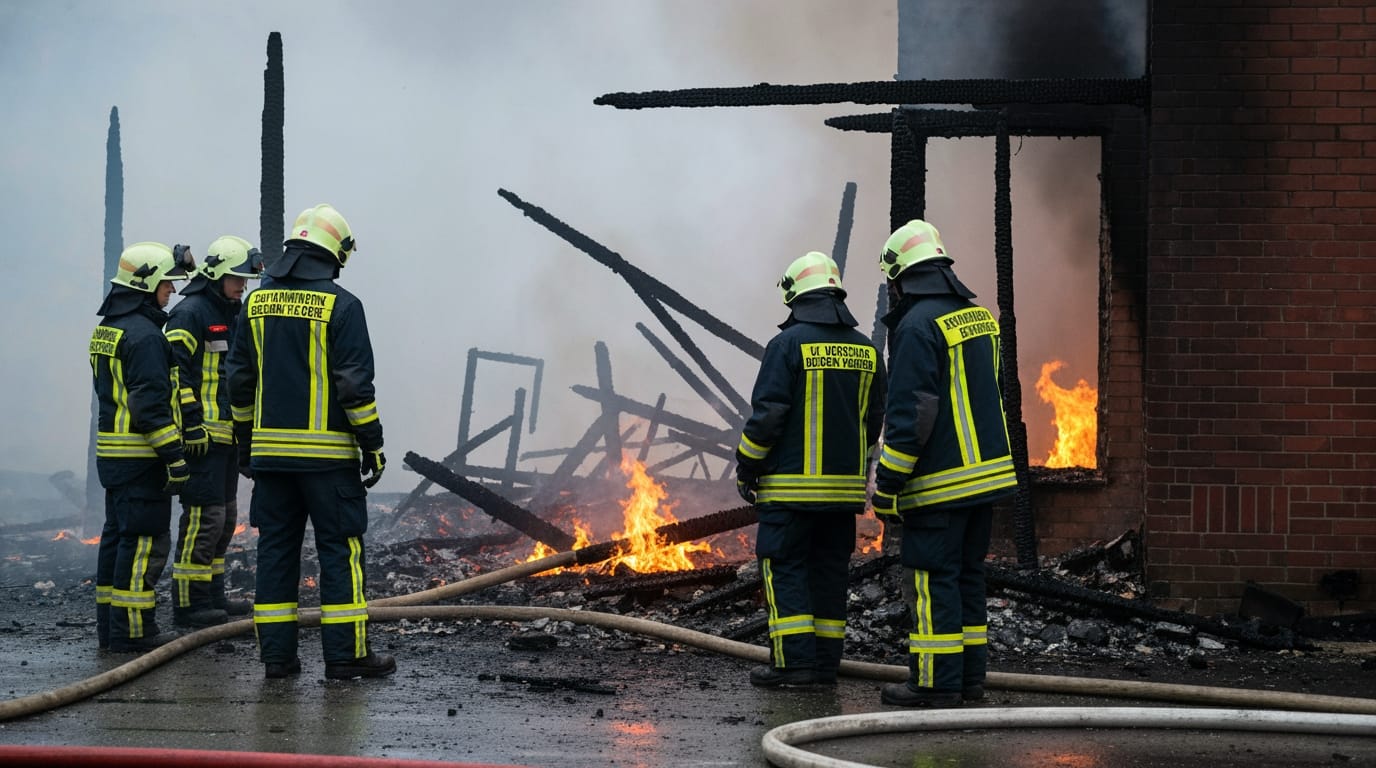
A series of suspected arson attacks targeting Germany's energy infrastructure has thrust the nation's vulnerability into sharp focus, with tens of thousands of homes and businesses experiencing extensive power blackouts. These incidents, primarily linked to a far-left extremist group known as the "Vulkangruppe," have prompted federal investigations for potential terrorism and ignited a nationwide debate about the security of essential services. The most recent major incident plunged large parts of southwest Berlin into darkness for several days in January 2026, marking the longest power disruption in the capital since World War II.
The Lichterfelde Blackout: A City Gripped by Darkness
On January 3, 2026, a deliberate act of sabotage occurred in Lichterfelde, a district in southwest Berlin, when unknown perpetrators set fire to a cable bridge spanning the Teltow Canal. This attack extensively damaged multiple high-voltage and medium-voltage cables, triggering a massive power outage across several districts including Nikolassee, Zehlendorf, Wannsee, and Lichterfelde. Initially, approximately 45,000 to 50,000 households and over 2,000 businesses were left without electricity. The disruption was particularly severe as it occurred during winter, with temperatures dropping below freezing, leading to a loss of heating and hot water for many residents.
The scale of the damage and the challenging winter conditions significantly hampered restoration efforts. While power was gradually reinstated for some areas, thousands of households remained without electricity for up to five days, with grid operator Stromnetz Berlin indicating that full restoration would not be achieved until January 8. The blackout's ripple effects extended beyond residential areas, impacting critical facilities such as hospitals and nursing homes, disrupting public transport with non-functional traffic lights, and causing outages in mobile communication networks. Schools were forced to close or delay reopening, and authorities established "warm spaces" for affected citizens. Berlin's mayor condemned the act, characterizing it as terrorism that endangered lives, particularly those of the elderly, children, and hospital patients.
The Shadow of the "Vulkangruppe" and Federal Investigations
Shortly after the January 2026 incident, a far-left extremist group identifying itself as the "Vulkangruppe" (Volcano Group) claimed responsibility for the attack. In statements circulated online, the group reportedly detailed their motives, which included protesting against the use of fossil fuels and the escalating energy demands of artificial intelligence data centers, which they claim exacerbate climate change. The group also indicated a deliberate targeting of affluent neighborhoods, stating an intent to "cut the juice to the ruling class."
Given the severity and the apparent politically motivated nature of the attack, Germany's federal prosecutor's office took over the investigation. This move signaled an initial suspicion of involvement by a terrorist organization, with charges potentially including membership in a terrorist organization, sabotage, arson, and disruption of public services. Authorities have acknowledged the credibility of the Vulkangruppe's claims of responsibility, noting the group's consistent rhetoric and methods over several years. German domestic intelligence services have tracked the Vulkangruppe's activities since at least 2011, noting a pattern of infrastructure sabotage, often targeting power supply systems, railway lines, and radio masts in Berlin and the surrounding state of Brandenburg.
Precedent and Escalation: The Tesla Gigafactory Attack
The January 2026 Berlin blackout was not an isolated incident but rather part of a discernible pattern of attacks on critical infrastructure attributed to the Vulkangruppe. A high-profile precursor occurred in March 2024, when an arson attack targeted a high-voltage pylon supplying electricity to the Tesla Gigafactory Berlin-Brandenburg in Grünheide. This incident caused a widespread power outage that affected not only the massive electric vehicle plant but also tens of thousands of residents in the surrounding communities.
Production at the Tesla factory was brought to a standstill for nearly a week, leading to economic losses estimated in the hundreds of millions of euros for the automaker. The Vulkangruppe also claimed responsibility for this attack, accusing Tesla of "extreme exploitation conditions" and advocating for the "complete destruction of the gigafactory." Environmental activism had been a point of contention around the Tesla plant, with activists protesting against the facility's expansion plans, including concerns about water consumption and deforestation. Like the later Berlin incident, the federal prosecutor's office also assumed responsibility for the investigation into the Tesla factory attack, indicating the serious consideration of potential terrorist involvement.
Broader Implications for German Infrastructure Security
These deliberate acts of sabotage have exposed significant vulnerabilities within Germany's critical infrastructure, prompting urgent calls for enhanced security measures and policy reforms. The ease with which such attacks can be carried out, often requiring little specialized knowledge, yet resulting in dramatic and far-reaching consequences, has become a major concern for authorities. Discussions have emerged regarding the balance between transparency of infrastructure data, which can inadvertently aid potential attackers, and the necessity of public information.
Lawmakers are currently debating reforms to legal regulations concerning the protection of critical infrastructure, including sectors responsible for essential goods and services. These reforms aim to introduce stricter security requirements for companies and government agencies. Beyond the incidents in Berlin and Brandenburg, other parts of Germany have also experienced similar disruptions, including a power outage in southeast Berlin in September 2025, also attributed to suspected arson, and a more recent event in Reutlingen in June 2026. These repeated occurrences underscore a growing threat landscape, with domestic intelligence services noting an increase in extremist activities targeting the capital's security.
The recurrent nature of these incidents, particularly those linked to the Vulkangruppe, highlights a persistent and evolving challenge for German authorities. The classification of these acts as potential terrorism reflects the gravity with which the state views direct threats to public safety and essential services. While power restoration efforts have been successful, the long-term implications for energy security, infrastructure resilience, and the ongoing struggle against ideologically motivated sabotage remain a pressing national concern. The need for robust protective measures and comprehensive investigations will continue as Germany navigates the complexities of safeguarding its critical networks against a determined and evolving threat.