Brazil Recalls Ambassador to Argentina Amid Escalating Diplomatic Crisis Over Milei's Remarks
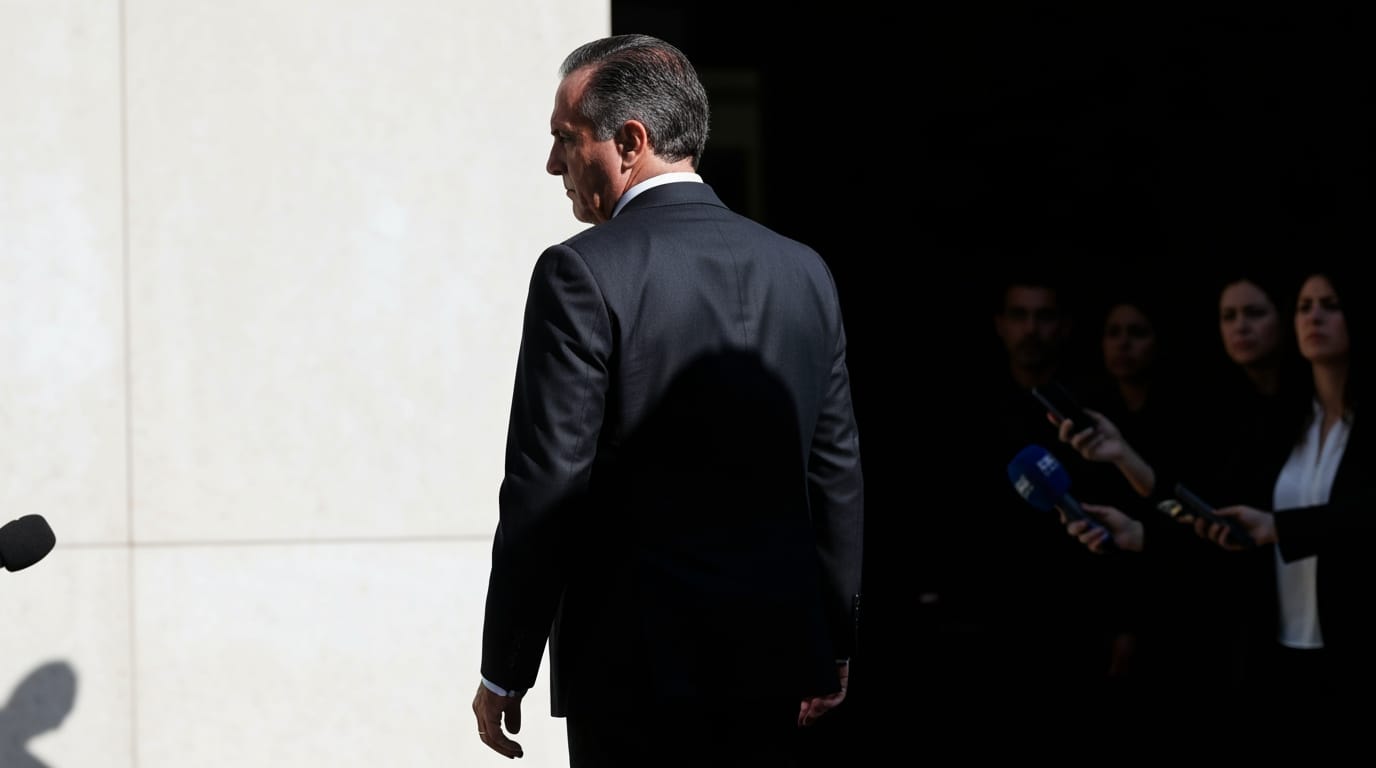
BRASÍLIA, Brazil – Brazil has taken the extraordinary step of recalling its ambassador to Argentina for consultations following a barrage of insulting remarks made by Argentine President Javier Milei against Brazilian leaders and institutions. The diplomatic rupture signals a new low in relations between South America's two largest economies, prompting concerns about the stability of regional partnerships and trade.
The decision by Brazil's Ministry of Foreign Affairs came on Sunday, July 26, 2026, just a day after President Milei's controversial speech in São Paulo. Brazilian Ambassador Julio Bitelli was summoned back to Brasília to discuss the deepening rift, which Brazilian officials have deemed a "direct affront" to the nation's sovereignty and its top leadership.
The Provocative Remarks in São Paulo
The catalyst for the diplomatic escalation was President Milei's address at a political event in São Paulo on Saturday, July 25, 2026. The gathering served as the formal nomination of Brazilian Senator Flávio Bolsonaro, son of former President Jair Bolsonaro, as a presidential candidate for Brazil's upcoming 2026 elections.
During his speech, Milei launched scathing verbal attacks, specifically targeting Brazilian President Luiz Inácio Lula da Silva, whom he reportedly called a "thief," a "delinquent," and a "convict." He further characterized the Brazilian government as "thieving socialists" and offered an endorsement of Bolsonaro's son as the only figure capable of "stopping Lula."
Beyond the executive branch, Milei also directed his ire at Brazil's judiciary. He referred to Supreme Federal Court Minister Alexandre de Moraes as "trash" and a "bald piece of trash." This particular criticism stemmed from Moraes's decision to deny Milei a visit to former President Jair Bolsonaro, who remains under house arrest following a 27-year sentence related to a coup attempt. The President of the Supreme Federal Court, Minister Edson Fachin, swiftly condemned Milei's comments, describing them as a "disrespectful reference to a magistrate of the highest court in the country, made on Brazilian soil."
A History of Strain and Cooperation
The current diplomatic crisis exacerbates an already strained relationship between the two South American giants, which has seen periods of both intense rivalry and crucial cooperation throughout their history. From the 19th century, when they engaged in wars over territorial disputes, to the latter half of the 20th century, where a pragmatic approach led to significant rapprochement, the Brazil-Argentina dynamic has always been complex.
The establishment of the Southern Common Market (Mercosur) in 1991, along with the Brazilian-Argentine Agency for Accounting and Control of Nuclear Materials (ABACC), marked a high point in their collaboration, transforming historical competition into mutual confidence and partnership. However, the ideological chasm between Argentina's libertarian President Milei and Brazil's leftist President Lula da Silva has steadily widened since Milei took office. Milei has previously branded Lula a "communist" and "corrupt," signaling his reluctance to engage directly with his Brazilian counterpart.
President Lula has not publicly commented directly on Milei's latest remarks since the ambassador's recall. However, in an opinion piece published Sunday in The Washington Post, Lula asserted that "Brazil's destiny is determined only by Brazilians without external interference, without subservience," a statement seen by some as an indirect response to Milei's perceived meddling in Brazilian internal politics.
Economic and Regional Implications
The recall of an ambassador, even for consultations, is a significant diplomatic maneuver, reflecting profound displeasure and raising serious questions about the future trajectory of bilateral relations. Brazil is Argentina's primary trading partner, making the current political friction a major economic concern for Buenos Aires. Concerns have been voiced that Milei's provocations could jeopardize investments, exports, and thousands of jobs in Argentina.
The governor of the province of Buenos Aires, Axel Kicillof, was quick to distance himself from Milei's statements, contacting Brazil's Foreign Minister Mauro Vieira to express "profound shame" and affirm that Milei's comments "do not represent the feelings of the Argentine people." Kicillof underscored Argentina's commitment to regional integration and respect for sister nations, warning that the president's actions risk supporting a candidate "at Trump's behest" and jeopardizing crucial economic ties.
Analysts suggest that relations between Brazil and Argentina are now deteriorating to their worst state in decades, threatening commercial and diplomatic ties that are vital for regional stability and economic growth. The incident also highlights the growing ideological polarization within South America, with Milei positioning himself as a central figure in a "blue wave" of right-wing governments, often aligned with figures like former U.S. President Donald Trump and Brazil's Jair Bolsonaro.
Navigating the Future of Bilateral Ties
The immediate future of Brazil-Argentina relations hinges on how both nations choose to navigate this diplomatic crisis. While recalling an ambassador for consultations is a strong signal of disapproval, it typically leaves room for de-escalation compared to a full expulsion. The ball now appears to be in Argentina's court to address Brazil's grievances and seek a path toward mending the fractured relationship.
The incident underscores the delicate balance required in international diplomacy, particularly between close neighbors and key economic partners. The economic interdependence and shared regional goals of Brazil and Argentina necessitate a resolution to this political impasse. The coming days will be crucial in determining whether the two largest South American nations can overcome this unprecedented tension and restore the cooperative spirit that has, despite historical rivalries, largely defined their modern relationship.


