ASEAN Extends Invitations to China and Gulf States Amidst Rising Tariff Concerns
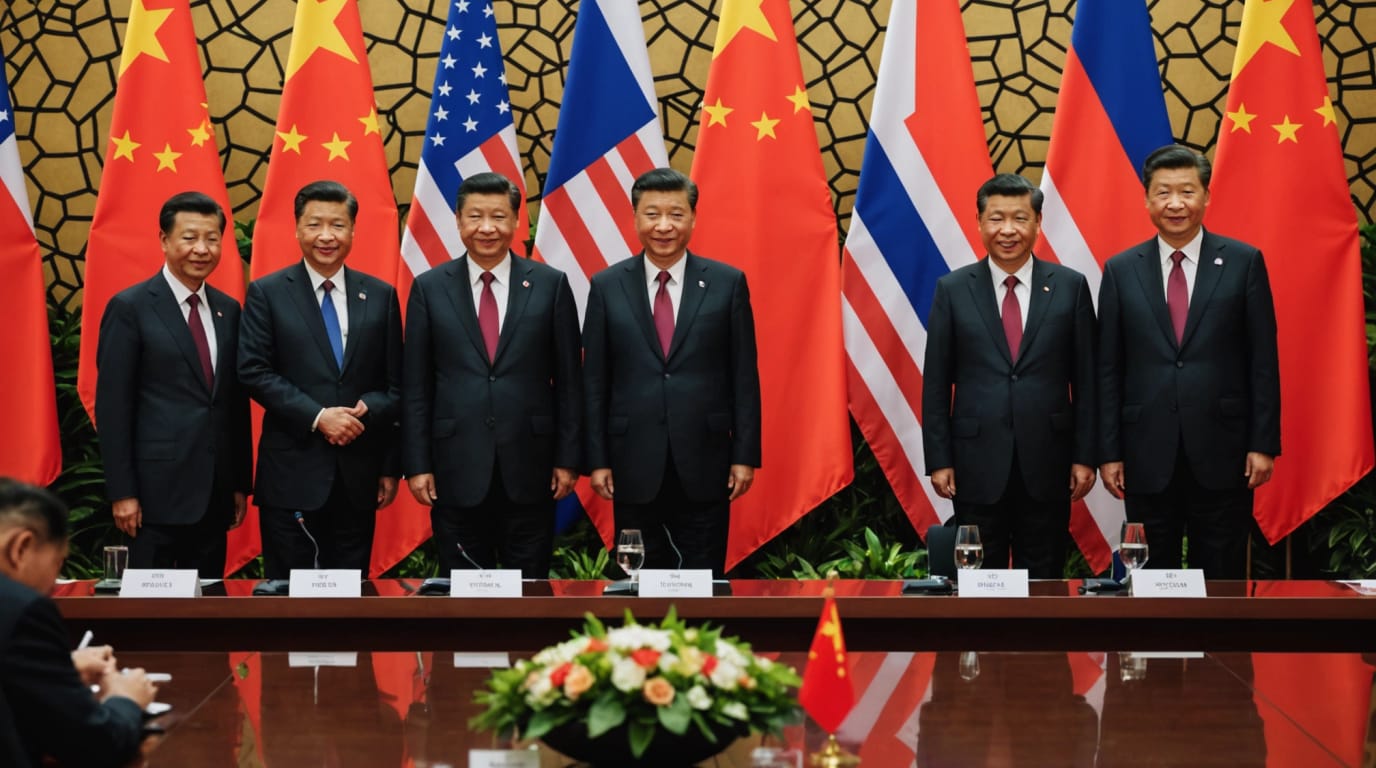
The Association of Southeast Asian Nations (ASEAN) is proactively engaging with key global partners, including China and the Gulf Cooperation Council (GCC), as the threat of increased tariffs looms, particularly from the United States. These diplomatic efforts signal ASEAN's commitment to fostering trade relationships and mitigating potential economic disruptions in the region.
Trade Talks Amidst Tariff Threats
Amidst rising concerns over potential tariffs, ASEAN is actively pursuing discussions with the United States, China, and the Gulf Cooperation Council (GCC) to address trade-related challenges and explore opportunities for collaboration. Investment, Trade and Industry Minister Tengku Datuk Seri Zafrul Abdul Aziz stated that ASEAN plans to hold a summit with the U.S. to present the region's case regarding planned tariffs. This comes as the U.S. administration has considered imposing tariffs on automotive, semiconductor, and pharmaceutical imports, which could significantly impact ASEAN member states.
Malaysia, as the ASEAN chair for 2025, is taking a leading role in navigating these complex trade dynamics. Electrical and electronics products constitute a substantial portion (60%) of Malaysia's trade with the United States, making the country particularly vulnerable to potential tariffs.
Deepening Ties with China and the GCC
In addition to engaging with the U.S., ASEAN is also prioritizing stronger economic ties with China and the GCC. A summit with the GCC and China is planned for May, with the primary objective of initiating discussions for a free trade agreement (FTA) between ASEAN and the GCC. This initiative aims to enhance trade relations, promote cross-border investment, and improve supply chain connectivity between the three blocs.
Malaysia's role as the Country Coordinator for ASEAN-China relations until 2027 suggests a continued emphasis on strengthening ties with China. This is further evidenced by Malaysia's invitation to China to attend the ASEAN-GCC Summit, a move that underscores the growing importance of China's economic influence in the region.
Navigating Geopolitical Challenges
While pursuing economic partnerships, ASEAN also faces significant geopolitical challenges, particularly in the South China Sea. Tensions and provocations between China and the Philippines have increased, posing a threat to regional stability and trade. Malaysia, as the ASEAN chair, is tasked with carefully balancing the interests of member states and engaging with external partners to mitigate potential conflicts.
One of Malaysia's key priorities is to promote confidence-building measures and preventive diplomacy at the ASEAN-China level to reduce the risk of conflict in the South China Sea. Maintaining open channels for negotiations on the South China Sea Code of Conduct is crucial for ensuring regional peace and stability.
ASEAN's Long-Term Vision
Under Malaysia's chairmanship, ASEAN is also focused on long-term strategic planning. The ASEAN Community Vision 2045, set to be adopted at the 46th ASEAN Summit in Kuala Lumpur in late 2025, will define the bloc's strategic direction for the next two decades. As co-Chair of the High-Level Taskforce on ASEAN Community's Post-2025 Vision, Malaysia plays a critical role in ensuring that the vision is future-proof and addresses the evolving challenges and opportunities facing the region.
The Spectre of U.S. Tariffs
The potential imposition of tariffs by the United States has raised concerns among ASEAN member states. These tariffs, particularly on key sectors like automotive, semiconductors, and pharmaceuticals, could have significant repercussions for the region's economies.
In response to these concerns, ASEAN plans to hold a summit with the United States to present its case and seek to mitigate the potential negative impacts of the proposed tariffs. The goal is to ensure that the views of ASEAN countries are taken into consideration and that the tariffs do not unduly burden the region.
Balancing Act
As ASEAN navigates these complex challenges, it must strike a delicate balance between engaging with major global powers and maintaining its own centrality and unity. The bloc's ability to stand together on issues that affect all member states is more important than ever.
Malaysia, as the ASEAN chair, is committed to upholding the principles of ASEAN centrality and working towards upgrading existing free trade agreements. This includes efforts to deepen regional economic integration and expand trade with key partners.
Conclusion
ASEAN's proactive engagement with China, the Gulf States, and the United States reflects its commitment to navigating the complex landscape of international trade and geopolitics. As the threat of tariffs looms, ASEAN is actively seeking to strengthen its economic partnerships, promote regional stability, and ensure a prosperous future for its member states. The upcoming summits and negotiations will be crucial in shaping the region's trade relationships and its role in the global economy.


