Assam's Tea Industry Grapples with Climate Crisis, Threatening Livelihoods and a Global Legacy
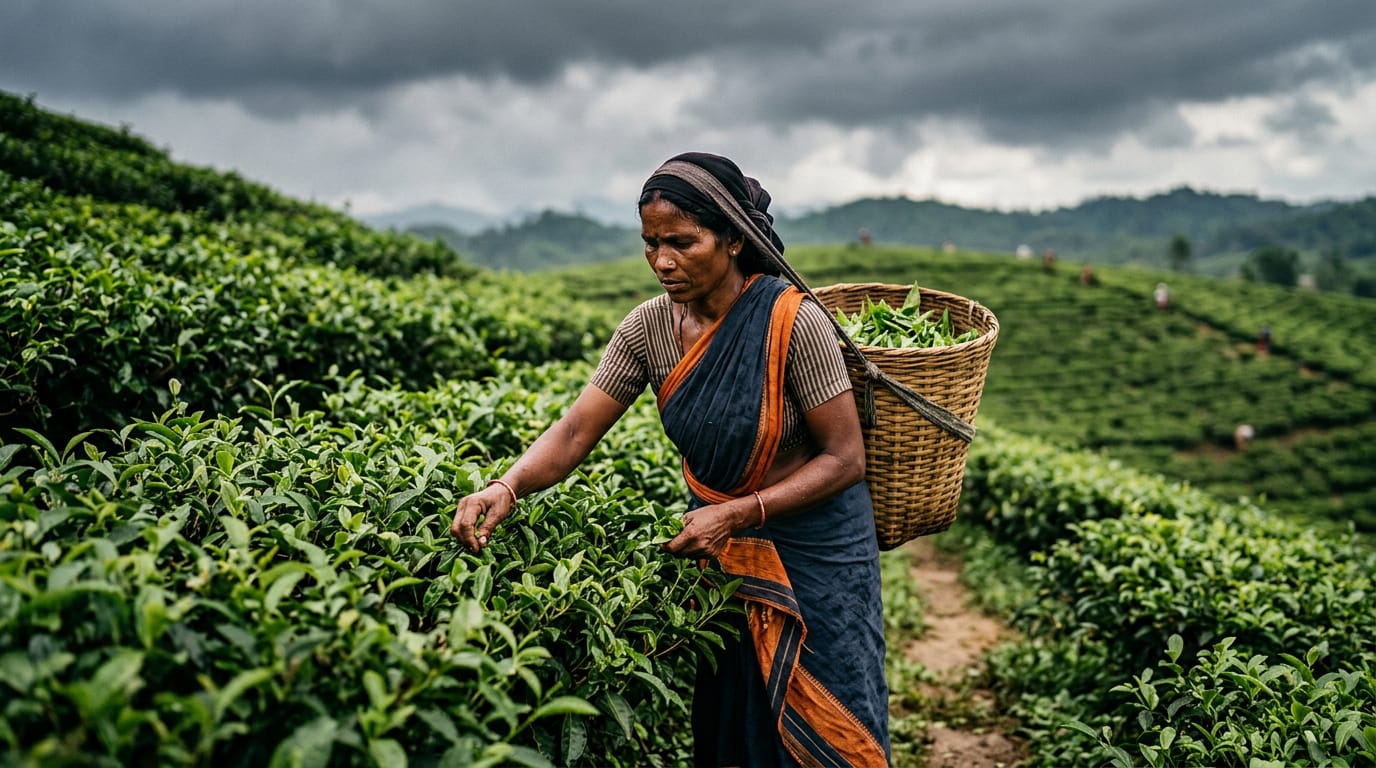
The verdant tea gardens of Assam, India, long synonymous with a robust brew and a cornerstone of the region's economy, are confronting an unprecedented existential threat driven by accelerating climate change. Erratic weather patterns, characterized by prolonged droughts, intense unseasonal rainfall, and soaring temperatures, are severely disrupting cultivation cycles, diminishing yields, and imperiling the livelihoods of over a million workers who depend on this labor-intensive industry. The crisis extends beyond the fields, casting a long shadow over the economic stability of communities and potentially altering the global tea market.
The Shifting Climate: A Hostile New Reality for Tea Cultivation
For nearly two centuries, Assam's subtropical climate, with its warm, muggy summers and cool, dry winters, provided ideal conditions for the native Camellia sinensis var. assamica tea plant. This harmonious rhythm of nature, however, has grown increasingly unpredictable, often verging on hostile. Data indicates a significant shift, with rainfall in Assam declining by more than a fifth over the last 60 years and minimum temperatures rising by a degree to 19.5°C. More recent analyses suggest that the average minimum temperature in Assam has risen by 1°C over the past 90 years, accompanied by a loss of approximately 200 mm of annual rainfall during that period. Further research indicates that while overall seasonal rainfall has increased, critical monsoon rainfall has decreased.
These climatic anomalies manifest as extended dry spells followed by abrupt, heavy downpours, leading to both drought-like conditions and severe waterlogging and floods. Extreme heat, particularly temperatures above 35°C, hampers tea plants' ability to absorb nutrients, stunting leaf growth and increasing vulnerability to pests and diseases. The traditional predictability of seasons, crucial for tea cultivation, is gradually disappearing, replaced by persistent heat, delayed rainfall, and muggy air lingering well past traditional seasonal boundaries.
Devastating Impact on Yields and Quality
The direct consequences of these climatic shifts are stark. Tea production is experiencing significant declines, with some estates reporting crop losses of up to 35% in a single season. In 2024, India's national tea output fell by 7.8%, with Assam, which accounts for over 50% of the country's tea production, seeing its yields cut by as much as 35% due to erratic rain, higher temperatures, and pests. From January to August 2024, Assam's tea yield reportedly fell by 31.85 million kilograms compared to the same period in the previous year, marking a 7.9% drop.
Beyond quantity, the quality of Assam tea, globally renowned for its briskness, strength, brightness, and distinctive malty character, is also under threat. High temperatures and moisture stress can affect the delicate chemical composition of tea leaves, altering their aroma and flavor profiles. Researchers have already observed subtle changes in the flavor of Assam tea. The increased incidence of new pests and diseases, exacerbated by the warmer and more humid conditions, further stresses tea bushes, requiring more intensive and costly interventions from growers.
A Labor Crisis and the Erosion of Livelihoods
The human cost of this environmental upheaval is profound. The Assam tea industry is an economic lifeline for over 1.2 million workers, many of whom are women. These workers, predominantly engaged in the labor-intensive process of plucking tea leaves, face increasingly harsh working conditions. Field reports describe workers experiencing symptoms like spinning heads and rapid heartbeats under the blazing sun, necessitating the use of umbrellas fastened over their heads to continue working.
The precarious nature of employment for many in the industry intensifies the crisis. An Oxfam study revealed that 61% of Assam's tea workers are temporary, often migrants or retirees, who are deprived of essential benefits such as bonuses, health benefits, pensions, and creche facilities. When yields decline due to climatic stressors, their incomes are directly impacted, leading to declining household incomes. This economic instability has severe social repercussions, with reports of young girls from tea garden worker families becoming vulnerable to trafficking as household incomes dwindle. The industry also faces a "skill crisis" as plantation work loses its appeal, particularly for the younger generation, leading to a loss of experienced workers and their invaluable knowledge of tea cultivation.
Despite rising costs for wages, fertilizers, agrochemicals, and necessary climate adaptations like irrigation, auction prices for tea have remained largely stagnant, growing by only 4.8% annually over the last three decades, significantly less than staples like wheat and rice, which saw 10% growth. This paradox of harsher weather conditions yielding no market reward for resilience leaves many estates with shrinking margins and an inability to reinvest in climate-resilient varieties or infrastructure.
Seeking Resilience: Adaptation and Mitigation Efforts
In the face of these formidable challenges, the Assam tea industry, along with various stakeholders, is exploring and implementing a range of adaptation and mitigation strategies. Tea growers have demonstrated a positive approach towards adaptive management, adopting measures such as rainwater harvesting, improved irrigation systems, afforestation, biodiversity conservation, soil mulching, and the creation of wind barriers.
Future strategies include the gradual replacement of synthetic fertilizers with organic manures, the construction of anti-erosion measures, and the cultivation of climate-tolerant or resistant tea cultivars. Agroforestry, integrated pest management, and sustainable agriculture practices are also gaining traction as ways to build climate resilience. Some estates are exploring economic diversification into fruits, spices, specialty and organic teas, tea tourism, and direct-to-consumer trade to cushion against climate risks. Advancements like AI-assisted precision agriculture, efficient irrigation, and blockchain technology are also seen as critical for enhancing efficiency and quality. Training programs are underway to educate producers on climate change implications and adaptive strategies.
Conclusion: A Legacy at a Crossroads
The climate-driven labor crisis in Assam's tea industry represents a complex interplay of environmental, economic, and social challenges. The iconic tea, a symbol of heritage and a pillar of rural livelihoods for millions, now stands at a critical juncture. The erratic climate is not merely an environmental concern; it is a direct threat to the economic stability of the state, the cultural identity tied to its "green gold," and the very human fabric of its communities.
While adaptation efforts are underway, their widespread and effective implementation, alongside sustained investment in research and supportive policy frameworks, will be crucial. The future of every cup of Assam tea, and indeed the welfare of the millions whose lives are intertwined with its production, hinges on a concerted effort to build resilience against the intensifying impacts of a changing climate. Without urgent and adaptive measures, the unique flavor, the global supply, and the enduring legacy of Assam tea risk diminishing for generations to come.