Attacks on Journalists in Germany Remain High Despite Recent Drop
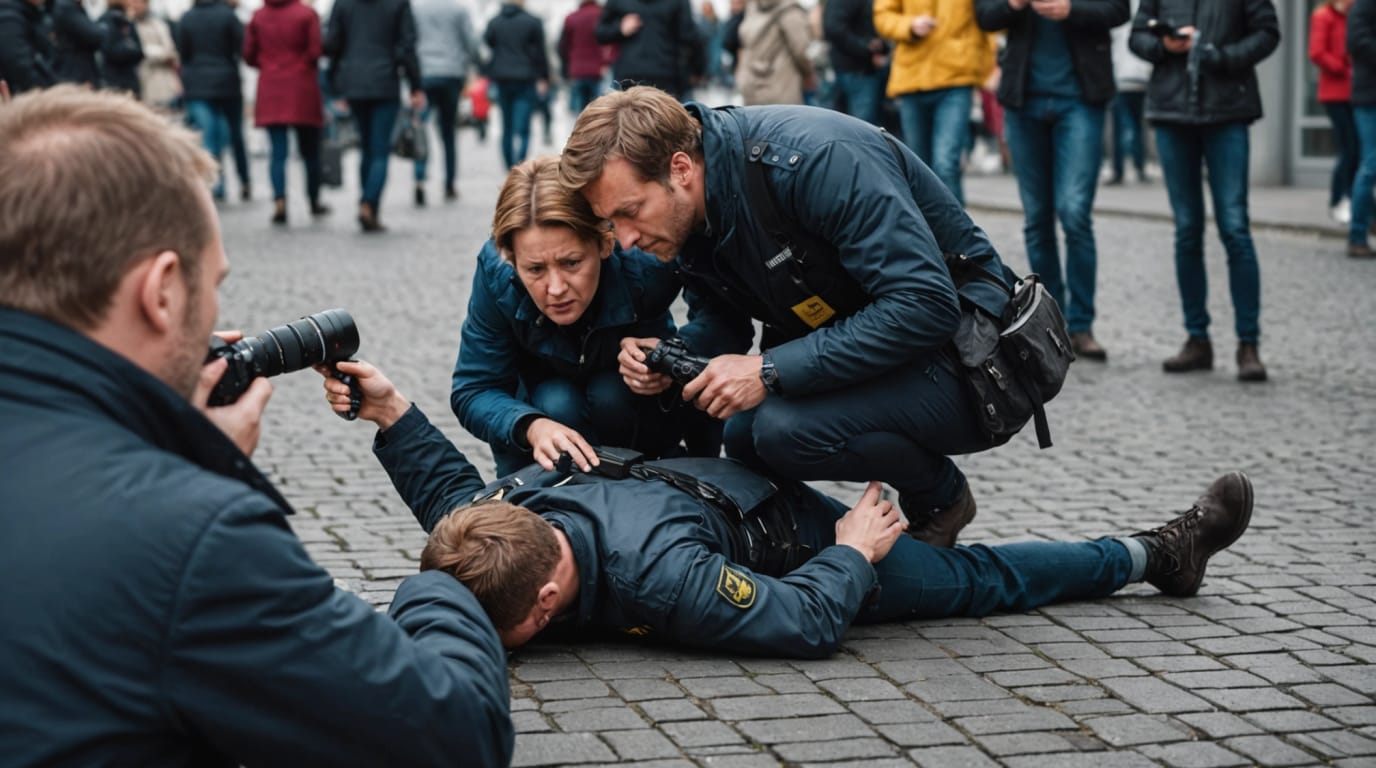
BERLIN – Attacks against journalists in Germany, while showing a decrease from peak pandemic levels, remain significantly elevated compared to pre-pandemic years, raising concerns about press freedom and the safety of media professionals. A recent report highlights the continued challenges faced by journalists, particularly those covering demonstrations and right-wing extremist events.
The number of physical attacks on journalists in Germany has decreased from 103 in 2022 to 41 in 2023, according to Reporters Without Borders (RSF). While this decline is a welcome development, the figure remains more than three times higher than the 13 attacks recorded in 2019, before the onset of the COVID-19 pandemic. This suggests a concerning trend of increased hostility towards the media that extends beyond the specific circumstances of the pandemic.
The Media Freedom Rapid Response (MFRR) partners have expressed concerns about the increasing number of attacks against journalists across Germany, especially during anti-vaccine demonstrations. They are advocating for improved safety measures and protection for journalists, thorough investigations into attacks, and preventative measures to stop future incidents. They also encourage media workers to report any press and media freedom violations they experience.
The rise in attacks during 2020, when they more than doubled compared to the previous year with 255 aggressions, was largely attributed to demonstrations against government COVID-19 measures, including planned mandatory vaccination. Right-wing extremist rallies have also been identified as particularly hostile environments for journalists.
Even with the decrease in attacks, the beginning of 2024 saw an escalation in violence against journalists. RSF is investigating nine reports from January alone, including a brutal attack in Leipzig where three unidentified men beat a video journalist and his companion after a pro-Palestine demonstration. The journalist was hospitalized with head injuries.
The European Centre for Press and Media Freedom (ECPMF), in collaboration with the Federal Union of German Newspaper Publishers (BDZV), has been mapping such cases since 2015. Their study, "The Journalist as the Enemy," reveals that 69 incidents were reported last year, compared to 56 in 2022. Between 2015 and 2019, the annual average was approximately 23 cases.
The study also found that local journalists reporting on demonstrations are most at risk of physical attack. In 2023, 77% of all cases occurred at demonstrations, with 40% of those at pro-Palestinian assemblies. One-third of all recorded cases since 2015 have occurred in Saxony, where 79% of assaults on journalists came from the ultra-right.
In June 2024, journalists covering the Alternative for Germany (AfD) federal party conference in Essen faced aggressive behavior from demonstrators. Mariam Lau, a political journalist for Die Zeit, and her colleagues were harassed and attacked. Additionally, journalist Ann-Katrin Müller was denied accreditation by AfD leadership, raising concerns about censorship.
These incidents highlight the challenges journalists face while covering sensitive and controversial topics. The rise of right-wing extremism and conspiracy theories has contributed to a climate of hostility towards the media, with journalists often being labeled as the "lying press" and targeted for abuse and violence.
Several organizations are working to address the issue of attacks on journalists in Germany. The MFRR is calling for better safety measures and protection for journalists, as well as thorough investigations of attacks. RSF is campaigning for improved legal conditions for journalists and seeking restrictions on the use of government spyware to monitor journalists' communications.
The German government is also taking steps to address the issue. They are working on measures to improve the legal situation for co-plaintiffs and foreign observers in future trials related to attacks on journalists. Additionally, the European Media Freedom Act and Digital Services Act have been adopted at the EU level and must be implemented in Germany.
The safety of journalists is essential for a healthy democracy. Attacks on the media undermine the public's right to access information and hold power accountable. It is crucial that authorities take strong action to protect journalists and ensure that those who attack them are brought to justice. Continued vigilance and proactive measures are needed to safeguard press freedom in Germany and ensure that journalists can continue to report without fear of violence or intimidation.


