Attorney General Pam Bondi Removed Amid Mounting Frustration Over Epstein Files, Unfulfilled Prosecutions
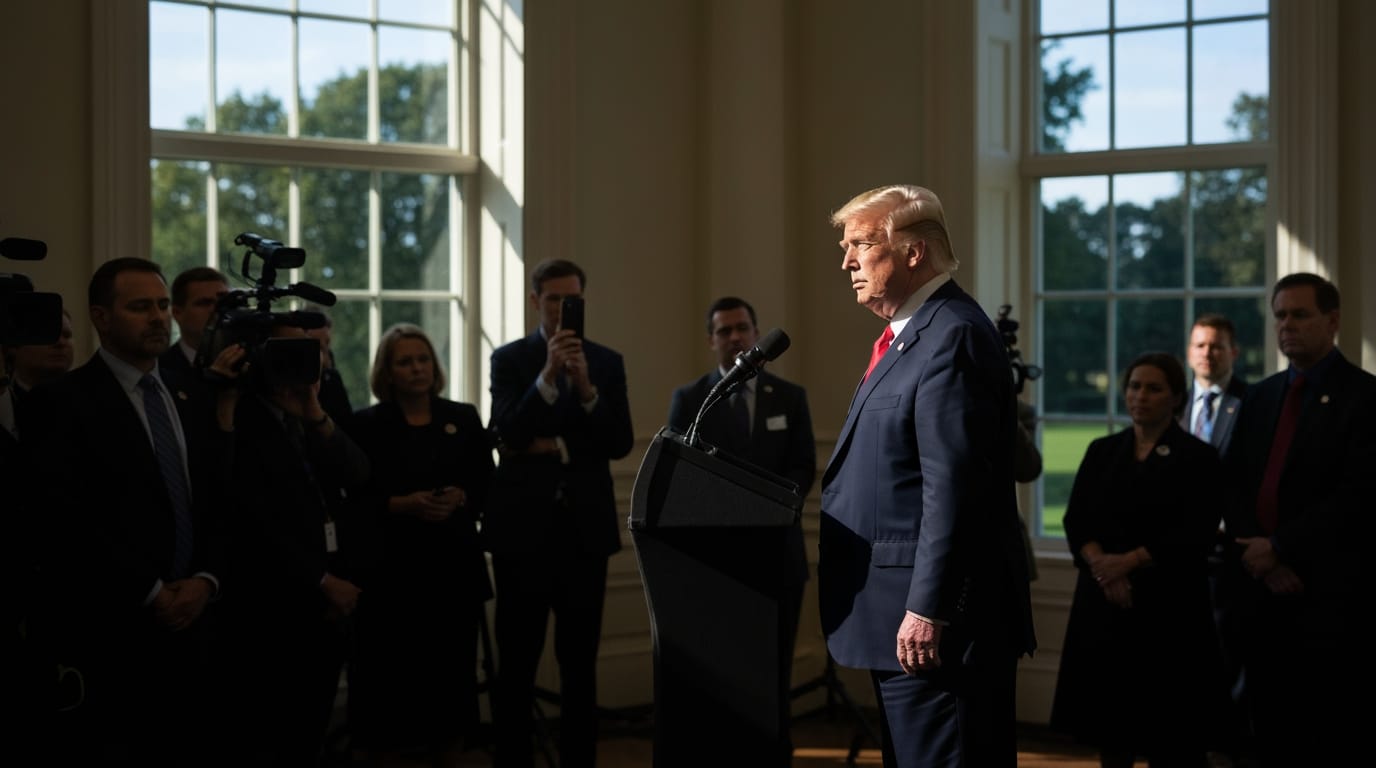
WASHINGTON, D.C. — Attorney General Pam Bondi was removed from her post by President Donald Trump on Thursday, April 2, 2026, concluding a contentious 14-month tenure marked by significant upheaval at the Department of Justice. The abrupt dismissal follows months of escalating pressure over Bondi's handling of investigative files related to convicted sex offender Jeffrey Epstein and the President's reported dissatisfaction with her perceived inability to prosecute his political adversaries.
The firing, confirmed by White House officials, marks another high-profile departure from the Trump administration and underscores a consistent pattern of leadership changes within the nation's top law enforcement agency. While President Trump reportedly still "personally likes Bondi," sources indicate the decision to remove her had been advocated for months by those in his inner circle.
Sudden Departure Follows Intense Scrutiny
The announcement of Attorney General Bondi's removal came swiftly on Thursday, signaling an immediate end to her role as the 87th Attorney General of the United States. Her departure has been attributed to a confluence of factors, prominently her management of sensitive government documents and a perceived failure to align the Justice Department's prosecutorial efforts with the President's public demands.
This recent development unfolded just weeks after articles of impeachment were introduced against Bondi in the House of Representatives on March 17, 2026. These articles cited alleged offenses including defiance of a subpoena from the House Oversight Committee to release full, unredacted Epstein files, abuse of investigatory authority, and defiance of federal court orders. The controversy surrounding the Epstein files had been a persistent and growing concern, attracting widespread criticism, even from some Trump allies and Republican lawmakers.
Mounting Pressure Over Epstein Files and Congressional Scrutiny
A central point of contention leading to Bondi's removal was her handling of the investigative files concerning Jeffrey Epstein. Critics alleged mismanagement and even a cover-up regarding the release of these crucial documents, creating considerable political headaches for the administration. The Justice Department's initial promise to release an Epstein "client list" stoked conspiracy theories, which Bondi later attempted to temper by acknowledging no such list existed.
The House Oversight Committee had previously subpoenaed Bondi to testify regarding her department's actions on the Epstein files, a demand she largely sidestepped during a February hearing of the House Judiciary Committee. The ongoing legislative and public pressure highlighted a growing dissatisfaction with the transparency and thoroughness of the Justice Department's efforts under her leadership in this high-profile case. This issue became a dominant narrative during her tenure, drawing renewed scrutiny on the President's past association with Epstein.
Allegations of Politicization and Unfulfilled Demands
Beyond the Epstein controversy, President Trump had reportedly grown increasingly frustrated with Attorney General Bondi's inability to successfully prosecute individuals he viewed as political adversaries. Throughout her term, Bondi faced accusations of bending the Department of Justice to the will of the White House, firing career civil servants at the President's directive, and initiating investigations into his perceived enemies. This approach was seen by many as a significant departure from the Justice Department's long-standing tradition of independence from the executive branch.
Despite these criticisms, Bondi maintained that her objective was to restore the institution's credibility and refocus its efforts on issues like violent crime. However, multiple investigations initiated under her leadership, seemingly targeting critics of the President, were reportedly rejected by grand juries or blocked by judges due to a lack of sufficient evidence.
From Florida AG to U.S. Attorney General: Bondi's Rise
Pamela Jo Bondi's journey to the nation's highest law enforcement office began in Florida, where she served as the state's Attorney General from 2011 to 2019. As Florida's first female Attorney General, Bondi gained recognition for her work on issues such as combating human trafficking, opioid addiction, and fraud. Prior to her statewide office, she had an 18-year career as a prosecutor in Hillsborough County, Florida.
Bondi emerged as a staunch and visible supporter of Donald Trump, particularly during his 2016 presidential campaign and subsequent presidency. She played a key role as part of his legal defense team during his first impeachment trial in 2020. Her loyalty and proximity to Trump were evident when she joined the White House as a Special Advisor in the Office of White House Counsel in 2019. She also led the legal arm of the Trump-aligned America First Policy Institute.
On November 21, 2024, President-elect Trump nominated Bondi for U.S. Attorney General after his initial pick, Matt Gaetz, withdrew from consideration. She was confirmed by the U.S. Senate on February 4, 2025, by a vote of 54-46, and sworn in the following day, becoming the 87th Attorney General of the United States.
A Pattern of Upheaval and Future Implications
Bondi's removal continues a recurring theme of significant turnover and internal strife within the Justice Department throughout the Trump administration. Her tenure was characterized by a departure from traditional norms of independence, with critics arguing the department was being used to advance political agendas rather than solely uphold the law.
The President's decision to oust Attorney General Bondi, particularly over her handling of sensitive investigations and a perceived failure to pursue specific legal actions, signals a clear message about his expectations for the nation's chief law enforcement officer. In the immediate aftermath, reports indicate that Todd Blanche, President Trump's former criminal defense attorney, is expected to step into an interim Attorney General role. This change could lead to a renewed push to deploy the U.S. legal system against critics and adversaries, potentially intensifying the politicization of the Justice Department in the months ahead.


