Australia Considers Joining Ukraine Peacekeeping Mission Amidst Shifting Global Dynamics
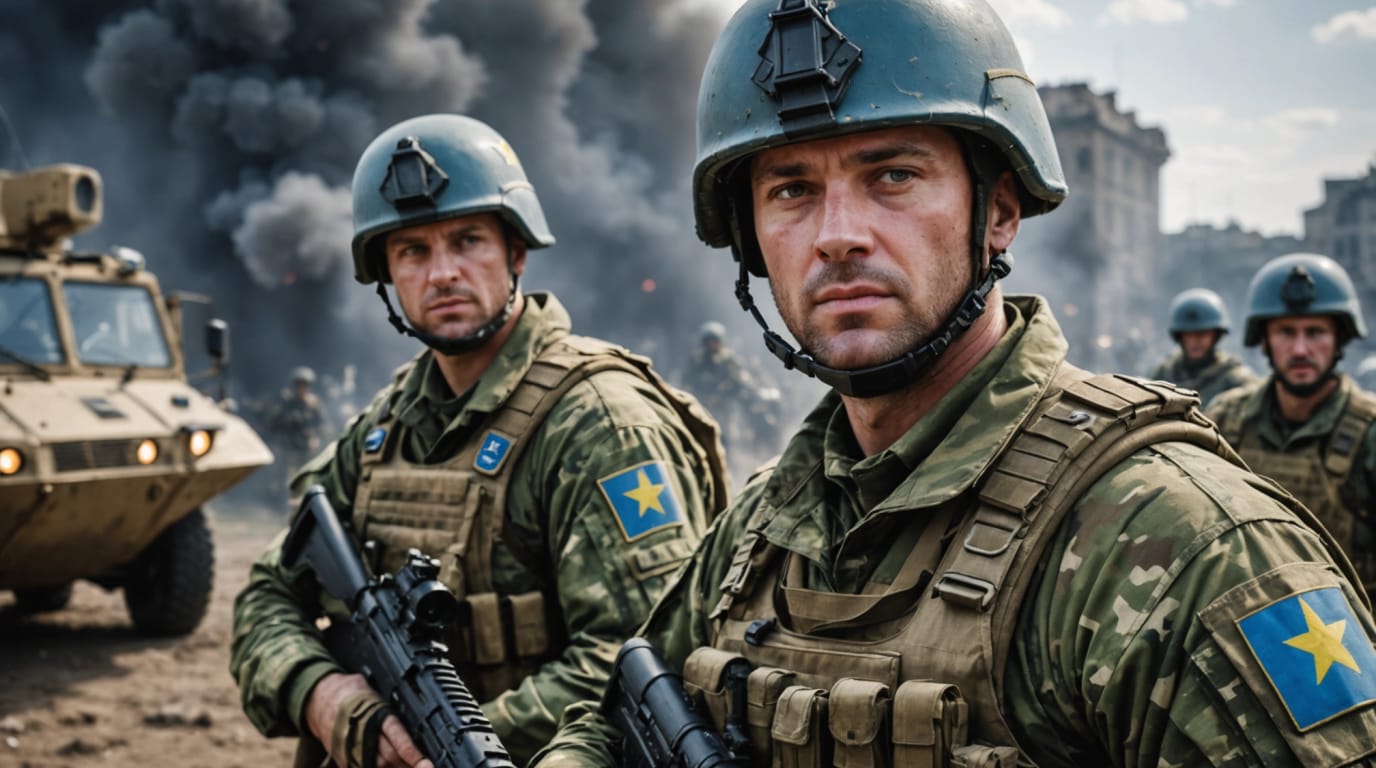
CANBERRA, Australia – Australia is weighing the possibility of contributing to a peacekeeping mission in Ukraine, Prime Minister Anthony Albanese announced Sunday. This consideration comes as European nations seek to bolster support for Ukraine amidst evolving geopolitical circumstances, including a suspension of military aid from the United States and direct talks between U.S. President Donald Trump and Russian leader Vladimir Putin.
Albanese's announcement follows discussions with British Prime Minister Keir Starmer, who, along with France, is attempting to assemble a "coalition of the willing" to safeguard any ceasefire established in the Russia-Ukraine war. While emphasizing that it is too early for deployment, Albanese affirmed Australia's commitment to supporting Ukraine.
Sending a Representative to Paris
As a concrete step, Australia will dispatch a senior representative to a meeting of European defense chiefs in Paris on Tuesday. This meeting, hosted by France's defense minister, will convene top military officials from the United Kingdom, Germany, Italy, and Poland to discuss ongoing support for Ukraine. Albanese stated that Australia's participation in the meeting underscores its dedication to planning for the future in Ukraine.
"Both of us, both of our nations, are very clear about our support for Ukraine," Albanese told reporters in Canberra. "You can't have peacekeeping forces without having peace. So moving forward, though, it is important that planning be put in place and Australia will participate in that meeting."
AUKUS and Broader Security Concerns
During his discussions with Starmer, Albanese also addressed the AUKUS partnership, a trilateral security pact between Australia, the United Kingdom, and the United States. This partnership, focused on providing Australia with nuclear-powered submarines, highlights the broader security concerns influencing Australia's foreign policy decisions.
The potential involvement in a Ukraine peacekeeping mission and the AUKUS agreement demonstrate Australia's commitment to international security and its willingness to collaborate with allies in addressing global challenges.
Aid to Ukraine
Since Russia's full-scale invasion of Ukraine more than three years ago, Australia has committed over $1.5 billion in aid. This financial assistance has been crucial in supporting Ukraine's defense and humanitarian efforts.
The potential deployment of peacekeepers would mark a significant escalation in Australia's involvement, transitioning from primarily financial aid to a more direct contribution to security and stability.
Peacekeeping Challenges
Albanese acknowledged the complexities of establishing a peacekeeping mission in an active conflict zone. "You can't have peacekeeping forces without having peace," he stated, highlighting the prerequisite of a ceasefire or peace agreement before any deployment could occur.
The success of any peacekeeping mission would depend on the cooperation of all parties involved, including Russia and Ukraine. The current political climate, marked by ongoing conflict and distrust, presents significant challenges to achieving a lasting peace.
European Support
Several European states have expressed willingness to deploy peacekeeping troops to Ukraine as a "security guarantee." This collective effort reflects a growing concern over the protracted conflict and a desire to prevent further escalation.
The European Union has also been actively involved in providing financial and military assistance to Ukraine. The commitment from European nations underscores the importance of maintaining stability and security in the region.
Conclusion
Australia's consideration of joining a peacekeeping mission in Ukraine reflects a broader international effort to support the country and promote stability in the region. While the deployment of troops remains contingent on achieving a peaceful resolution to the conflict, Australia's willingness to participate in planning and discussions signals a strong commitment to Ukraine's future. The decision to send a senior representative to the Paris meeting demonstrates Australia's proactive approach to addressing the challenges posed by the ongoing war and its dedication to working with international partners to find a lasting solution.


