Australia Grapples with Measles Resurgence as Vaccination Rates Lag, Experts Warn of "Too Little, Too Late" Response
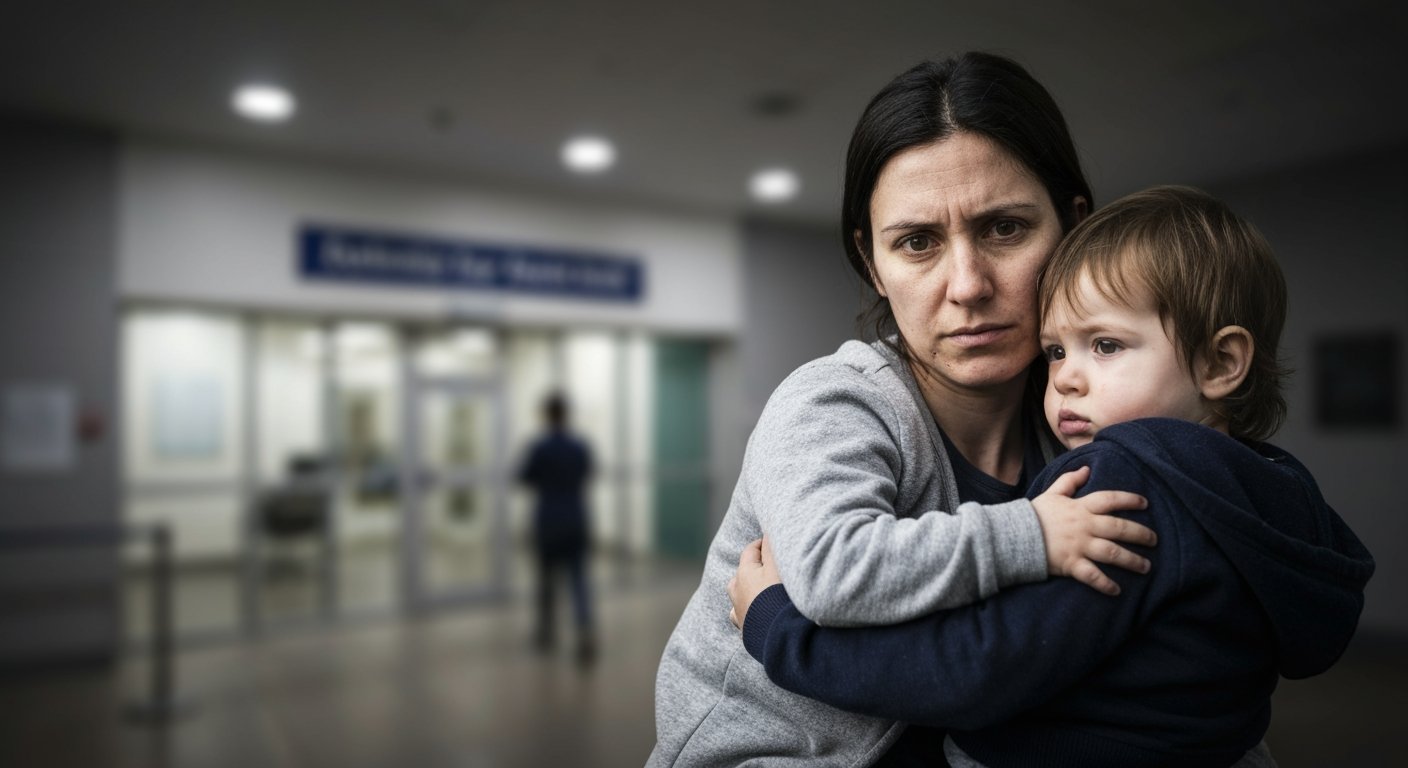
CANBERRA, ACT – Australia, once hailed globally for its elimination of endemic measles, is now confronting a troubling resurgence of the highly contagious disease. A sharp increase in reported cases, coupled with declining vaccination rates, has public health officials and medical experts sounding the alarm. Concerns are mounting that current efforts to boost immunity may be "too little, too late" to prevent widespread outbreaks, jeopardizing decades of public health achievement.
The nation recorded 168 measles cases as of December 22, 2025, a stark 195% increase from the 57 cases reported in 2024, and a dramatic rise from just 7 cases in 2022. This escalating trend, mirroring a disturbing global pattern, has illuminated vulnerabilities within Australia's population immunity, particularly among younger demographics and in specific geographic regions.
The Return of a Vanquished Foe
Measles, a viral infection characterized by a distinctive rash, fever, cough, and runny nose, was declared eliminated in Australia in 2014, signifying the absence of ongoing local transmission. This milestone was largely attributed to a highly successful national immunization program. However, the disease remains a global threat, and with the resumption of international travel post-pandemic, imported cases have become the primary source of new infections in Australia.
The danger of measles is not to be underestimated. It can lead to severe complications, including pneumonia and encephalitis (brain swelling), especially in young children and adults over 30. Approximately 1 in 20 children with measles develops pneumonia, the most common cause of death from the disease in young children. Brain inflammation can occur in about 1 in 1,000 cases, potentially leading to convulsions, deafness, or intellectual disability. The virus is extraordinarily contagious, capable of spreading through the air for up to two hours after an infected person has left a room, necessitating a robust vaccination coverage rate of at least 95% to maintain herd immunity and prevent community transmission.
Eroding Immunity: A Troubling Decline in Vaccination
Australia's success in controlling measles hinged on consistently high vaccination rates. However, recent data reveals a concerning downward trend, with coverage dipping below the critical 95% threshold. In 2023, 93% of Australian two-year-olds were fully vaccinated against measles, a figure that, while seemingly high, falls short of the level required for effective herd immunity against such a virulent pathogen. By August 2025, only 89.76% of children aged 24-27 months were fully immunized against measles. This decline marks a significant shift from pre-pandemic levels when vaccination coverage was steadily increasing.
The National Centre for Immunisation Research and Surveillance has indicated that childhood vaccination rates for measles, mumps, and rubella (MMR) have been "creeping down" since the COVID-19 pandemic. This decline is not uniform across the country, with "quite big pockets of low vaccine coverage" identified, particularly in regions like Western Australia, Queensland, and parts of the Northern Territory, where rates can drop as low as 70% in some areas. These geographical disparities create vulnerable enclaves where imported cases can easily spark local outbreaks.
The Multifaceted Roots of Lagging Uptake
Several factors contribute to the observed decline in measles vaccine uptake, painting a complex picture for public health authorities. A significant driver is vaccine hesitancy, fueled by misinformation, anti-science sentiments, and a phenomenon dubbed "vaccine fatigue" following the extensive COVID-19 vaccination campaigns. Experts suggest that years of constantly changing advice during the pandemic have left some Australians skeptical about the importance of vaccination.
Furthermore, a sense of complacency has settled over the population, partly due to the decades of successful measles control. Many Australians, particularly younger generations, have never witnessed the devastating impact of widespread measles outbreaks, leading to an underestimation of the disease's severity. As one expert noted, "vaccines are a victim of their own success," as the absence of diseases like measles leads to a diminished perception of their threat.
The COVID-19 pandemic also played a role in disrupting routine immunization programs globally, impacting catch-up campaigns and contributing to a worldwide increase in susceptibility. Practical barriers, such as difficulty in securing vaccination appointments or a lack of prioritization of vaccine appointments over other commitments, have also been identified as contributing factors to incomplete vaccination.
A Public Health Race Against Time
The confluence of declining local immunity and a global surge in measles cases has placed Australia at a critical juncture. The World Health Organization reported major outbreaks in 59 countries in 2024, including popular travel destinations for Australians such as Indonesia, Thailand, and India. This significantly increases the risk of imported cases triggering secondary transmission chains within Australia's under-vaccinated communities.
Public health responses currently focus on rapid identification and isolation of infected individuals, rigorous contact tracing, and offering post-exposure prophylaxis (vaccination or immunoglobulin) to susceptible contacts. The Australian Government's National Immunisation Program (NIP) continues to fund two doses of the measles vaccine for children at 12 and 18 months, with catch-up vaccinations available for individuals up to 20 years old. Infants as young as six months can receive an early dose if traveling to high-risk areas. Beyond the NIP, state and territory arrangements often cover free measles-containing vaccines for other eligible Australians and permanent residents.
Despite these measures, medical associations and researchers are advocating for more urgent and perhaps even accelerated strategies. The Australian Medical Association has called for immediate action to counter the declining immunization rates, citing misinformation as a key challenge. Some leading Australian researchers have proposed re-evaluating the current vaccination schedule, suggesting that the first measles vaccine dose could be administered as early as four months of age to close immunity gaps in infants who are currently unprotected before reaching the standard vaccine-eligible age.
The sentiment that current actions may be "too little, too late" stems from the observation that while public health authorities are working to promote vaccination, the rates are not recovering quickly enough to outpace the rising threat. With vaccination coverage still several percentage points below the 95% target, Australia remains vulnerable to larger and more frequent outbreaks.
The Path Forward: Collective Responsibility
The resurgence of measles in Australia serves as a stark reminder of the fragile nature of public health achievements when vigilance wanes. The implications of sustained low vaccination rates extend beyond individual illness, threatening to overwhelm healthcare systems, disrupt communities, and erode the hard-won elimination status. The burden falls disproportionately on the most vulnerable, including infants too young to be vaccinated and those with compromised immune systems, who rely on the collective immunity of the population for protection.
Addressing this challenge requires a multi-pronged approach: combating vaccine misinformation with clear, consistent messaging from trusted sources; ensuring equitable access to vaccination services; and fostering a renewed understanding of measles' dangers. Experts emphasize the need for individuals to check their vaccination status, particularly those born after 1966 or planning international travel, and to ensure children are fully immunized. Without a concerted and immediate effort to significantly boost measles vaccine uptake, Australia risks transforming isolated incidents into widespread outbreaks, undoing the decades of progress that once made measles a disease of the past.
Related Articles

A Spreading Scourge: How Conflicts in Congo, Sudan, and Yemen Fuel a Global Health Crisis
Geneva, Switzerland – Ongoing conflicts in the Democratic Republic of Congo (DRC), Sudan, and Yemen are precipitating a catastrophic collapse in public health, transforming these war-torn nations into breeding grounds...

Debunking the Myth: Statins Do Not Cause Dementia, Extensive Research Confirms
A persistent myth linking statin medications to an increased risk of dementia or significant cognitive decline continues to circulate, often fueled by social media and anecdotal reports. However, decades of rigorous...

New Drug Daraxonrasib Offers Unprecedented Hope, Extending Lives for Advanced Pancreatic Cancer Patients
A significant breakthrough in the relentless fight against pancreatic cancer has emerged with the introduction of daraxonrasib, a new oral medication that has demonstrated the ability to nearly double the survival time...