Australia Solidifies Stance Against Repatriating Citizens From Syrian Detention Camps
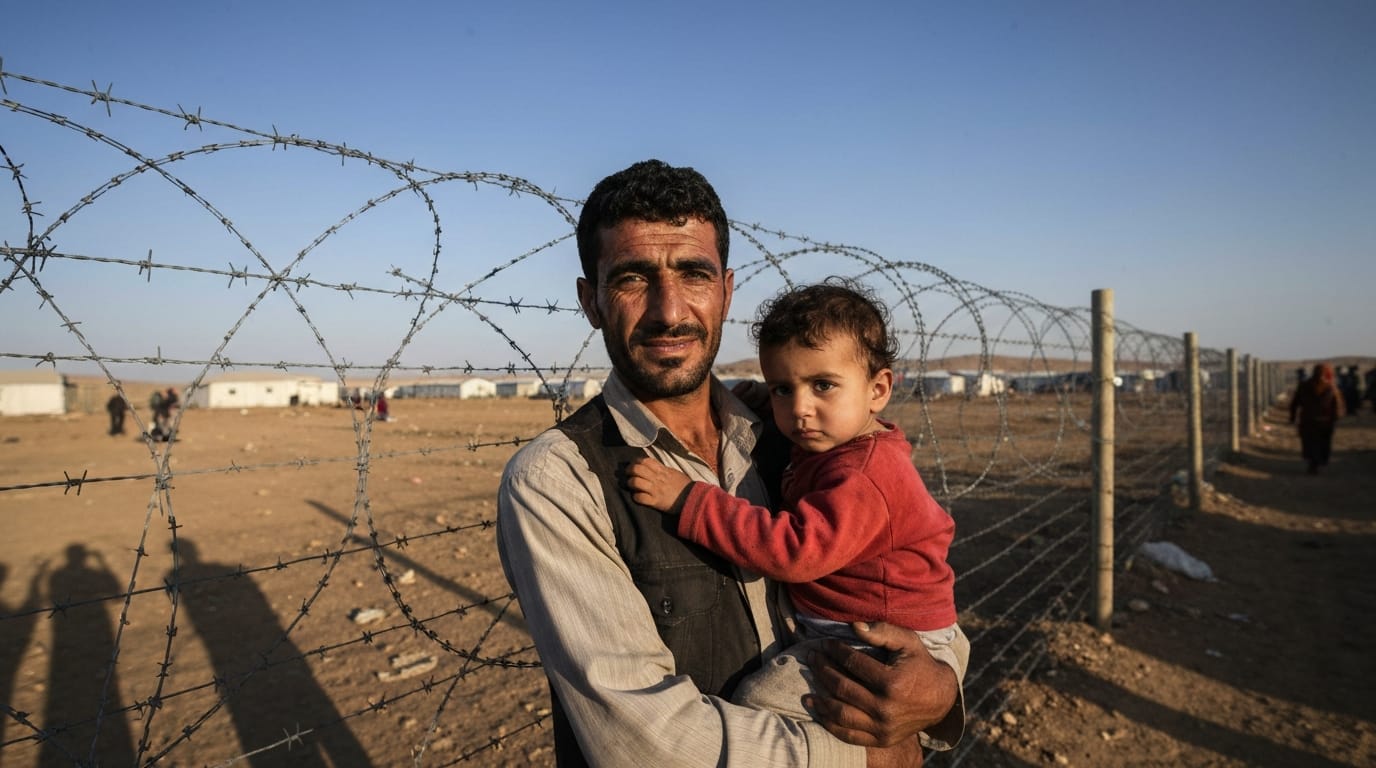
The Australian government has reaffirmed its policy against further large-scale repatriations of its citizens, predominantly women and children, from squalid detention camps in northeast Syria, citing persistent national security risks and the complex logistical challenges of operating in the conflict-affected region. This decision leaves dozens of Australians, many of them minors, indefinitely stranded in dire humanitarian conditions, intensifying a long-standing debate between national security imperatives and international human rights obligations. The federal government's firm position reflects a cautious approach to individuals linked to the conflict, even as international bodies and advocates call for their urgent return.
Life in Limbo: The Dire Reality of Syrian Camps
The majority of Australian citizens remain detained in camps such as Al-Roj and Al-Hol, sprawling facilities housing tens of thousands of individuals displaced or captured during the conflict with the Islamic State group. Conditions within these camps are widely documented as dire, characterized by severe overcrowding, inadequate access to food, clean water, healthcare, and education. Children, many born in the camps, face a particularly bleak existence, exposed to trauma, violence, and the pervasive threat of radicalization. Without formal charges or trials, these women and children are held indefinitely under the control of Kurdish-led forces, creating a protracted humanitarian crisis that has drawn global condemnation. The lack of basic infrastructure and the constant threat of disease outbreaks further compound the suffering, with many international organizations describing the situation as unsustainable and dangerous.
A Measured Approach Amidst Global Pressures
Australia's stance on repatriation has evolved over time, marked by a cautious and selective approach. In 2022 and 2023, the government undertook two limited operations, successfully repatriating small groups of Australian women and children. These efforts were hailed by human rights advocates as a crucial step, offering a glimmer of hope for others. However, recent government statements have indicated a cessation of further large-scale repatriations, with authorities emphasizing that each case is assessed on an individual basis and that the priority remains national security. This approach stands in contrast to some other Western nations, including Germany, France, and Canada, which have conducted more comprehensive repatriation programs for their citizens, often citing humanitarian concerns and the long-term risks of leaving individuals in unstable environments. The complexities of operating in a war-torn region without diplomatic presence, coupled with the security vetting processes required, present significant hurdles for any government contemplating such missions.
Balancing National Security with Humanitarian Appeals
The Australian government's principal argument against widespread repatriation centers on national security. Officials express concerns about the potential for individuals returning to Australia to pose a security risk, particularly those who may have been exposed to extremist ideologies or participated in activities supporting designated terrorist organizations. The difficulty of thorough security vetting in a conflict zone, along with the challenge of monitoring and reintegrating returnees into society, are frequently cited as key impediments.
Conversely, a broad coalition of human rights organizations, children's advocates, and the United Nations has consistently called for the immediate repatriation of all citizens, particularly the children, arguing that their prolonged detention violates international law and risks creating a lost generation. Advocates highlight that many of the children were born in Syria, have never known Australia, and are victims of circumstances beyond their control. They argue that leaving these individuals in camps where extremist ideologies are prevalent only exacerbates the security risk in the long run, potentially fostering radicalization that could later pose a greater threat. Furthermore, the absence of due process for adults detained without charge or trial raises significant human rights concerns, with calls for fair legal proceedings should they be repatriated.
The Legal and Logistical Maze
The process of repatriating citizens from northeast Syria is fraught with legal and logistical complexities. Australian authorities face significant challenges in verifying identities, conducting thorough security assessments, and navigating the legal frameworks for prosecuting or rehabilitating individuals upon return. The absence of a formal diplomatic presence in the region complicates negotiations with local authorities, primarily the Kurdish-led Syrian Democratic Forces (SDF), who control the camps. Additionally, developing comprehensive deradicalization and reintegration programs for individuals who may have been exposed to extremist ideologies requires substantial resources and expertise. For those who may face charges, gathering admissible evidence from a conflict zone presents a formidable legal hurdle. The operational risks involved in extracting individuals from a volatile region, often requiring covert missions, also weigh heavily on government decisions.
Long-Term Implications of Indefinite Detention
The decision to largely halt repatriations carries profound long-term implications for the individuals involved, for Australia's international standing, and for the broader global effort to address the aftermath of the Syrian conflict. For the women and children in the camps, continued detention means enduring a cycle of poverty, violence, and trauma, with little prospect of a normal life or access to justice. Without intervention, these individuals face a future defined by statelessness, lack of identity, and vulnerability to exploitation.
Globally, the issue of foreign fighters and their families remains a critical challenge, with many nations grappling with how to balance security concerns with humanitarian responsibilities. Australia's firm stance contributes to a fragmented international response, leaving the burden of care and security primarily with the local Kurdish authorities. This approach raises questions about the collective responsibility of nations for their citizens caught in foreign conflicts and the effectiveness of strategies that prioritize indefinite detention over structured repatriation, rehabilitation, and reintegration. The ongoing humanitarian crisis in these camps serves as a stark reminder of the unresolved consequences of the conflict and the complex moral and security dilemmas it continues to pose for governments worldwide.