Fragile Hopes Emerge as Ukraine Peace Talks Commence in Geneva Amidst Ongoing Conflict
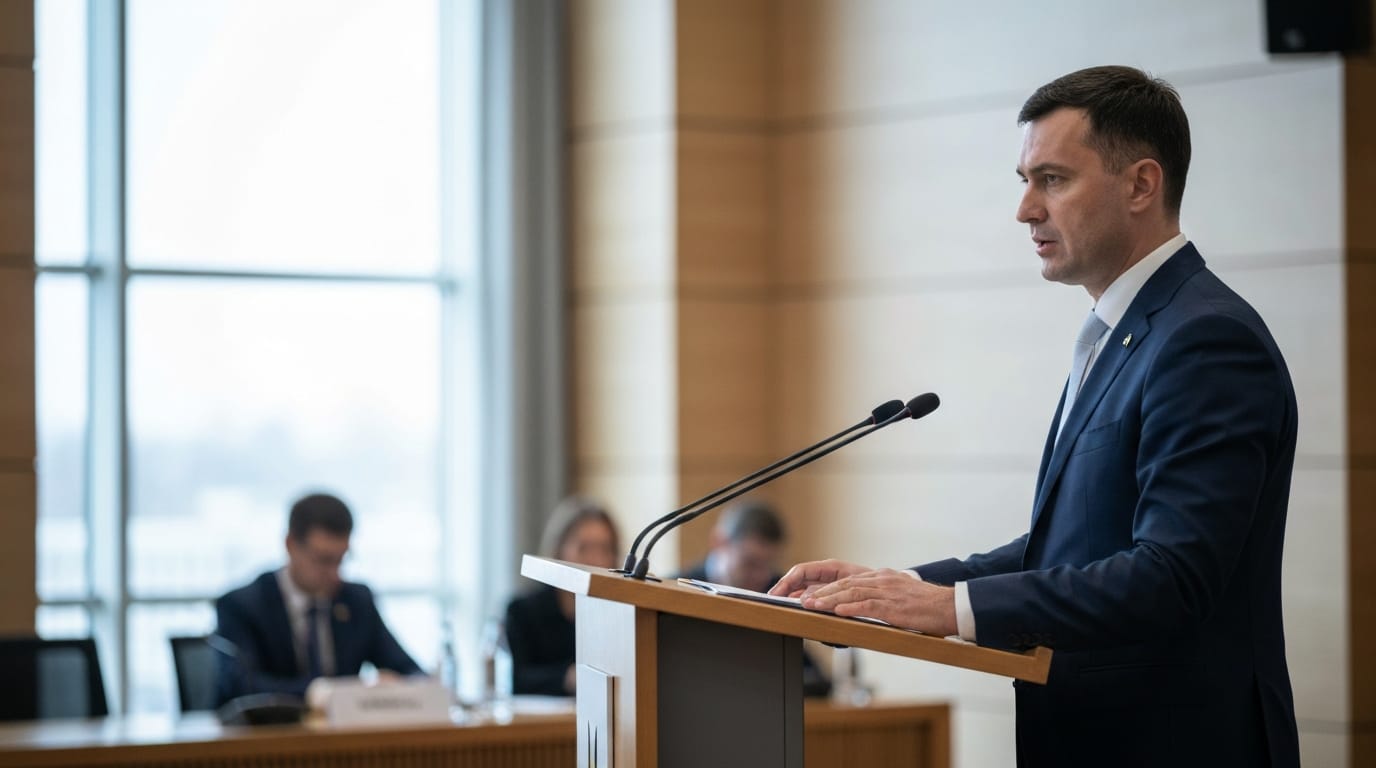
GENEVA – Amidst the persistent echoes of conflict in Eastern Europe, a new round of high-stakes diplomatic talks aimed at finding a peaceful resolution to the protracted war in Ukraine has commenced in Geneva. This pivotal gathering brings together key international stakeholders and representatives, converging on the shores of Lake Geneva with the formidable task of bridging deeply entrenched divides and fostering a framework for de-escalation. As the humanitarian crisis deepens and geopolitical tensions remain acutely high, the global community watches these closed-door negotiations with a mixture of cautious optimism and stark realism, aware of the immense challenges inherent in securing a lasting peace.
The Urgency and Backdrop of Dialogue
The latest round of discussions unfolds against a grim backdrop of unrelenting hostilities that have profoundly reshaped the global political landscape. The conflict, now stretching into its second year, has resulted in catastrophic human cost, widespread destruction of infrastructure, and a massive displacement of populations, creating Europe's largest refugee crisis since World War II. Civilian casualties continue to mount, and critical infrastructure, particularly energy systems, faces relentless assault, exacerbating an already dire humanitarian situation as winter approaches. This immediate and pressing humanitarian imperative lends a particular urgency to the current diplomatic efforts in the Swiss city, long a crucible for international mediation.
Previous attempts at a comprehensive peace have faltered, marred by deep mistrust, shifting frontlines, and fundamentally divergent interpretations of security and sovereignty. Initial rounds of talks in the early stages of the conflict yielded little tangible progress, leading to a prolonged period where battlefield dynamics largely dictated the narrative. However, the persistent economic strain on all parties involved, coupled with the global ramifications spanning energy security, food stability, and inflation, has reinvigorated calls for a diplomatic pathway. These Geneva talks represent a renewed commitment from the international community to seek a non-military resolution, acknowledging that a protracted conflict holds no ultimate victor.
Key Stakes and Enduring Obstacles
The objectives of the various parties involved in these Geneva talks are complex and often contradictory. For Ukraine, the primary goal remains the full restoration of its territorial integrity and sovereignty within internationally recognized borders, coupled with robust security guarantees for its future. The principle of national self-determination and the inviolability of borders are non-negotiable tenets for Kyiv and its allies. Conversely, the other side's stated concerns often revolve around security interests, the status of certain regions, and the broader geopolitical architecture of Eastern Europe. These fundamental disagreements form the bedrock of the negotiation challenge, requiring extraordinary diplomatic finesse to navigate.
Among the most significant obstacles is the profound deficit of trust between the primary belligerents. Years of escalating tensions, followed by the intensity of the current conflict, have eroded faith in diplomatic assurances and previous agreements. Furthermore, the extensive territorial changes and ongoing military operations present tangible facts on the ground that complicate any immediate return to pre-conflict status quo. Discussions are further compounded by varying perspectives on accountability for war crimes and reparations for damages, issues that carry immense emotional and political weight and are difficult to compartmentalize in peace negotiations. The international community, while broadly united in condemning the aggression, also grapples with internal divisions regarding the pace and scope of sanctions, military aid, and ultimately, the terms of a potential peace.
Pathways to Potential Progress
Despite the formidable hurdles, diplomatic channels remain the only viable long-term strategy for conflict resolution. The Geneva talks are expected to explore several potential areas of incremental progress, even if a grand, sweeping peace deal remains elusive in the short term. These could include agreements on humanitarian corridors to facilitate aid delivery and civilian evacuations, prisoner exchanges, or temporary localized ceasefires to allow for critical repairs and humanitarian access. While not directly resolving the underlying conflict, such measures can build small pockets of trust and demonstrate a willingness for dialogue, potentially laying groundwork for more substantive negotiations.
Further discussions are likely to touch upon broader security architecture for Europe, involving guarantees that might satisfy the concerns of all parties without compromising the sovereignty of independent nations. The role of international monitoring missions, demilitarized zones, and frameworks for post-conflict reconstruction and reconciliation are also on the table. The presence of neutral mediators and international organizations, long experienced in complex conflict resolution, is crucial in facilitating communication and finding creative solutions that might otherwise be overlooked in direct bilateral exchanges. The pressure exerted by global economic realities and the collective desire for stability provides a powerful, albeit often unspoken, impetus for all sides to genuinely engage in the pursuit of peace.
Humanitarian Imperatives and Global Ramifications
Beyond the geopolitical chess game, the most compelling reason for the current diplomatic push in Geneva is the escalating humanitarian crisis. Millions of Ukrainians remain displaced internally or as refugees across Europe, facing uncertain futures. Cities and towns have been reduced to rubble, and essential services like healthcare, water, and electricity are severely disrupted, particularly as winter weather sets in. The talks thus carry the moral weight of potentially alleviating immense human suffering and providing a path for recovery and return.
The ripple effects of the conflict extend far beyond Ukraine's borders, impacting global energy markets, exacerbating food insecurity in vulnerable nations, and contributing to worldwide inflationary pressures. Disruptions to grain shipments from the region, a major global breadbasket, have threatened food supplies in parts of Africa and the Middle East, highlighting the interconnectedness of international stability and the urgent need for a resolution. The financial costs of the conflict, both in terms of military expenditure and humanitarian aid, are staggering, draining resources that could otherwise be directed towards global development and pressing domestic needs. Therefore, a successful outcome in Geneva would not only bring relief to Ukraine but would also offer a much-needed stabilizer to an increasingly volatile global economy.
Looking Ahead from Geneva
As the intense negotiations in Geneva proceed behind closed doors, the world remains acutely aware that the path to a lasting peace is fraught with immense challenges and requires sustained commitment from all parties. The very act of engaging in dialogue, however difficult, signifies a recognition that a military solution alone cannot deliver enduring stability. While expectations for immediate breakthroughs remain tempered by historical precedent and the depth of the current conflict, the presence of diplomatic teams in Geneva represents a vital, ongoing effort to transition from the battlefield to the negotiating table. The ultimate success will hinge on the willingness of all stakeholders to demonstrate flexibility, envision a future beyond conflict, and commit to the painstaking work of rebuilding trust and fostering a secure environment for all. The eyes of a hopeful, yet wary, world remain fixed on Geneva, searching for any signal of progress toward a more peaceful future.


