German Coalition Weighs Landmark Social Media Ban for Young Children
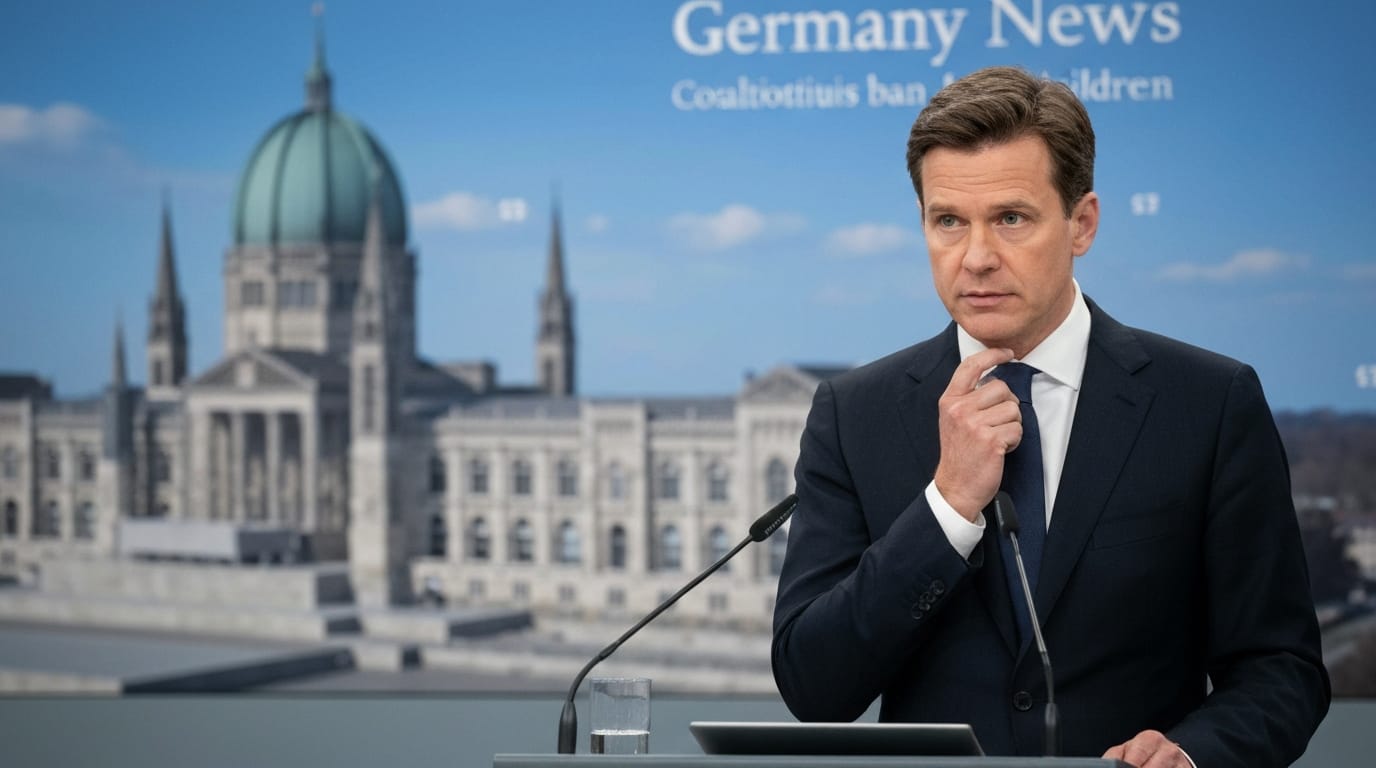
BERLIN – A profound debate is gripping Germany’s governing coalition as discussions intensify over a potential ban on social media access for young children, signaling a pivotal moment in the nation's approach to digital youth protection. The deliberations, spearheaded by concerns over the escalating mental health crisis among adolescents and the pervasive influence of online platforms, could see Germany implement one of Europe’s most stringent regulations, profoundly reshaping how children interact with the digital world. The proposed measures aim to shield the most vulnerable users from cyberbullying, addictive algorithms, and inappropriate content, yet they also ignite complex questions regarding digital literacy, parental autonomy, and the practical enforceability of such a sweeping policy.
Growing Concerns Drive Policy Rethink
The impetus for this contentious proposal stems from a deepening national unease regarding the well-being of the youngest generations in an increasingly digitized society. Health experts, educators, and parent organizations across Germany have sounded alarms about a noticeable rise in anxiety, depression, sleep disorders, and body image issues among children and teenagers, often directly linked to extensive social media use. Reports from child protection agencies highlight the prevalence of cyberbullying and exposure to harmful content, underscoring a gap in current protective measures. Political leaders, particularly within the Family Ministry, have voiced strong support for proactive intervention, arguing that the existing self-regulation models of tech companies have proven insufficient in safeguarding minors. The discussions reflect a broader consensus that while the digital realm offers educational and social benefits, its unmitigated access for developing minds presents significant, unaddressed risks that necessitate governmental oversight.
The Debate: Protection Versus Autonomy and Practicality
The proposal, while lauded by many as a necessary step for child protection, has ignited a vigorous debate across various sectors of German society. Proponents emphasize the urgent need to create a safer digital environment, arguing that a ban would provide a crucial developmental window free from the pressures and potential harms of social media. They point to research indicating that early and unregulated exposure can impede cognitive and emotional development, making children particularly susceptible to manipulative design features aimed at maximizing engagement. The argument also posits that such a ban would empower parents by providing a clear legal framework, rather than leaving individual families to navigate the complex and often overwhelming digital landscape on their own.
However, significant opposition and skepticism have emerged, focusing on the practical challenges of implementation and the potential for unintended consequences. Critics question the feasibility of effectively enforcing an age-based ban in a technologically dynamic environment, where VPNs and proxy servers can easily circumvent geographical or age restrictions. Concerns are also raised about the potential for a "digital divide," where children from less digitally literate households might be disproportionately affected, missing out on valuable learning opportunities or social connections. Furthermore, civil liberties advocates highlight the importance of digital education over outright prohibition, stressing that children need to learn how to critically engage with online content rather than be entirely shielded from it. The debate also touches on parental responsibility, with some arguing that decisions about a child's social media access should remain within the purview of the family, not dictated by the state. The tech industry, predictably, has also expressed reservations, emphasizing existing safety features and content moderation efforts, while warning against measures that could stifle innovation or user experience.
Implementation Challenges and European Context
Should Germany proceed with a social media ban for young children, the logistical and legal hurdles would be substantial. A core challenge lies in robust and privacy-compliant age verification systems. Current methods often rely on self-declaration, which is easily bypassed, or require personal data that raises significant privacy concerns, particularly under the strictures of the General Data Protection Regulation (GDPR). Discussions revolve around developing innovative, secure, and user-friendly verification technologies that could reliably distinguish between adult and child users without infringing on individual rights.
The proposed ban would also operate within a broader European regulatory landscape, most notably the Digital Services Act (DSA), which came into full effect for all online platforms in February 2024. The DSA includes provisions for protecting minors online, requiring platforms to implement robust measures to prevent the spread of harmful content and design features that could exploit vulnerabilities. Germany's potential ban would represent a national interpretation and perhaps an amplification of these European principles, setting a precedent that could influence policy debates in other EU member states grappling with similar issues. The interplay between national bans and overarching EU regulations will be critical, necessitating careful legal harmonisation to avoid conflicts and ensure enforceability across borders. International precedents, such as the UK’s Online Safety Act or proposals in certain US states, are also being closely examined, though Germany’s approach would likely be tailored to its unique legal and social context.
Societal Ripples and the Path Forward
The implications of a social media ban for young children in Germany extend far beyond the immediate digital sphere. For families, it could necessitate a re-evaluation of household digital rules and potentially foster more offline activities, but also create tension if children feel excluded from peer interactions. For schools, it could shift the focus of digital education, emphasizing critical thinking and responsible online behavior in preparation for later social media access. Tech companies would face increased pressure to adapt their platforms and age verification processes, potentially leading to significant investment in new technologies and compliance mechanisms.
Politically, the discussion underscores the complexities of governing in the digital age, where rapid technological advancements often outpace regulatory frameworks. The current coalition government, comprising the Social Democrats (SPD), the Greens, and the Free Democrats (FDP), will need to navigate diverse perspectives within its ranks and from civil society to forge a cohesive policy. The legislative process is expected to be protracted, involving extensive consultation with experts, public hearings, and careful consideration of legal ramifications. Whatever the final outcome, Germany’s exploration of a social media ban for young children marks a significant moment in the global conversation about digital ethics, child welfare, and the future of online regulation. It embodies a collective effort to define the boundaries of digital freedom when confronted with the imperative of protecting the youngest members of society.
The ultimate decision will likely reflect a delicate balance between leveraging the protective powers of the state and upholding individual freedoms, while acknowledging the profound and irreversible integration of digital technologies into contemporary life. As the debate continues, Germany stands at a crossroads, with its policy choices poised to leave a lasting impact on childhood, technology, and society itself.


