Australia Vows Sweeping Crackdown on Hate Following Horrific Bondi Beach Attack
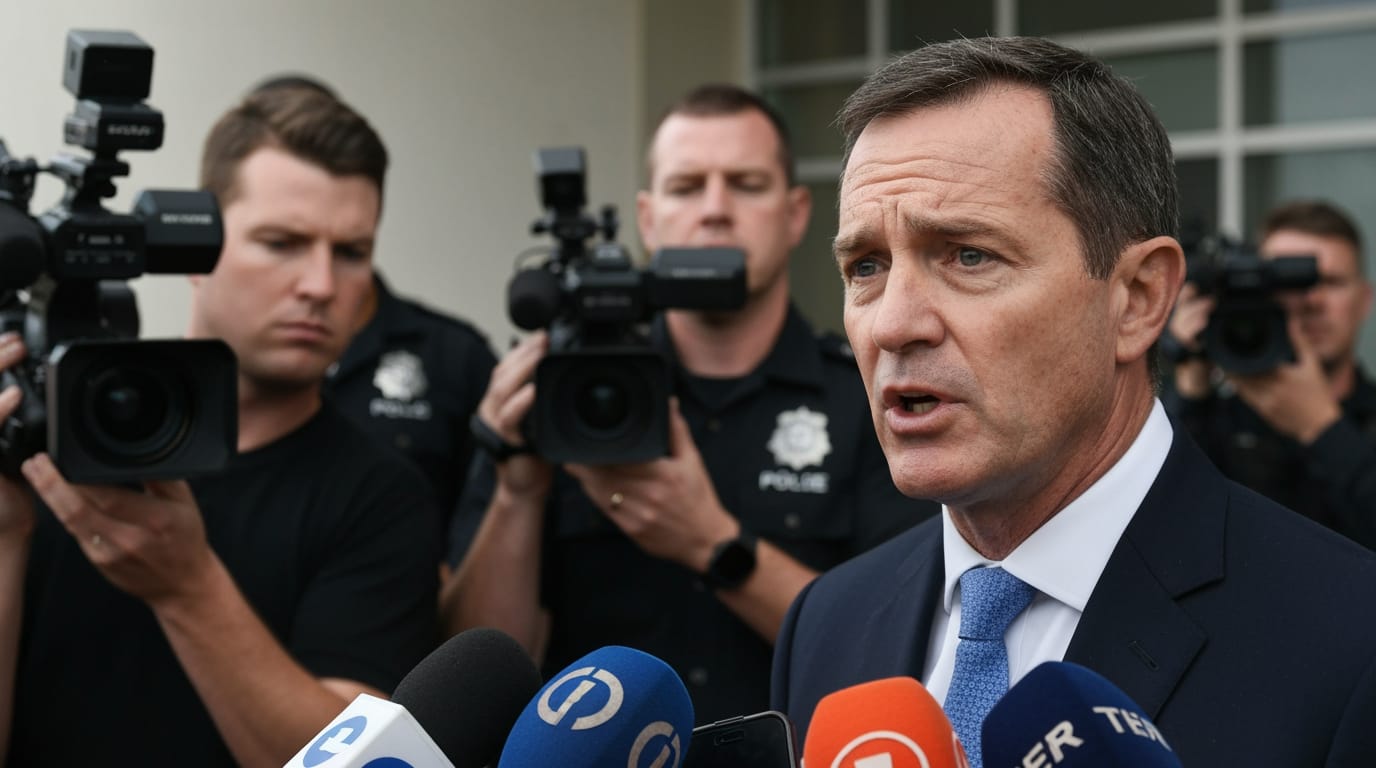
SYDNEY, Australia – The serene shores of Bondi Beach were shattered by an act of terror last Sunday, December 14, 2025, when a mass shooting at a Hanukkah celebration claimed the lives of 15 individuals and injured more than two dozen others. The horrific event, targeting Sydney's Jewish community, has sent shockwaves across Australia, prompting Prime Minister Anthony Albanese to announce a comprehensive and urgent crackdown on hate, division, and radicalization across the nation. The attack, described by authorities as ISIS-inspired and antisemitic, has ignited a profound national reckoning regarding the pervasive threat of hate-fueled extremism and the measures required to safeguard a diverse society.
The tragic incident unfolded as families gathered to celebrate the first day of Hanukkah, transforming a joyous occasion into a scene of unimaginable horror. Authorities have identified the perpetrators as a father and son, Sajid Akram, 50, who was fatally shot by police at the scene, and Naveed Akram, 24, who has since been charged with 59 offenses, including 15 counts of murder and terrorism-related charges, following his critical injuries and subsequent medical treatment. Among the victims was 10-year-old Matilda, the youngest to die, whose funeral on Thursday brought together a grieving community in a poignant tribute to her life. This devastating attack has spurred immediate action from the federal government, with Prime Minister Albanese affirming a resolute stance against those who propagate hatred and violence within Australian society.
A Nation Grieves and Responds
The aftermath of the Bondi Beach massacre has been marked by widespread grief and anger, reverberating through communities far beyond Sydney. Prime Minister Albanese articulated the collective sentiment, stating that Australians are "shocked and angry" and that "much more" needs to be done to combat this "evil scourge." The attack has been unequivocally condemned as an assault on the Australian way of life and an abhorrent act of antisemitic terrorism. As investigations into the shooters' potential links to Islamic State networks continue, the nation grapples with questions surrounding security, societal divisions, and the adequacy of existing protections for vulnerable communities.
In response to the tragedy and growing calls for action, the Prime Minister unveiled a robust five-point reform program designed to intensify efforts against hate speech and extremist ideologies. These measures signal a significant tightening of legislative and enforcement frameworks, aiming to dismantle networks of hate and prevent future atrocities. The government’s initiatives represent a clear message that such acts of terror and the ideologies that fuel them will not be tolerated on Australian soil.
Comprehensive Legislative and Enforcement Reforms
The core of the government's announced crackdown includes a series of legislative reforms and enhanced powers for authorities. Among these is the introduction of new "aggravated hate speech" laws, specifically designed to target preachers and leaders who actively promote violence. This move aims to hold individuals accountable for inciting hatred under the guise of religious or political discourse. Complementing these new laws are stiffer punishments and increased penalties for hate speech that promotes violence, underscoring a commitment to deter such harmful rhetoric.
Furthermore, the reforms will establish hate as an "aggravating factor" in sentencing for crimes involving online threats and harassment, acknowledging the significant impact of digital platforms in spreading animosity. The government also plans to develop a systematic regime for identifying and listing organizations whose leaders engage in hate speech, allowing for more targeted interventions. A critical element of the new strategy involves boosting the Home Affairs Minister's powers to cancel or reject visas for individuals deemed to spread hate and division within Australia, or those who would do so if permitted entry. Additionally, a new federal offense will be introduced for "serious vilification" based on race or advocating racial supremacy, further strengthening legal protections against discriminatory behavior.
Addressing Antisemitism and Strengthening Education
The Bondi Beach attack has brought into sharp focus the documented rise in antisemitism and other forms of hate crime across Australia, particularly since events on October 7, 2023. Prime Minister Albanese acknowledged that "more could have always been done" to combat anti-Jewish sentiment, indicating a renewed urgency in addressing these concerns. Critics within the Jewish Australian community had previously raised alarms about insufficient protection against rising antisemitism, and the recent tragedy has amplified these concerns.
In a forward-looking measure, a 12-month taskforce has been established, to be led by prominent figure David Gonski and including Special Envoy to Combat Antisemitism, Jillian Segal. This taskforce is mandated to ensure that the Australian education system effectively prevents, tackles, and responds to antisemitism. This educational focus underscores a proactive approach to fostering understanding and tolerance from an early age, alongside redoubled efforts to combat the spread of antisemitism on social media platforms. The Prime Minister underscored the fundamental right of every Jewish Australian to feel safe, valued, and respected, affirming their integral contribution to the nation.
Community Resilience and Ongoing Challenges
The community's response to the tragedy has been one of both profound sorrow and remarkable resilience. Funerals for the victims, including Rabbis Eli Schlanger and Yaakov Levitan, have drawn large numbers of mourners, reflecting the tight-knit nature of the Jewish community and wider societal solidarity. The NSW government has offered victim support services and urged public assistance with the ongoing investigation, highlighting the collective effort required to heal and move forward.
While the immediate focus remains on justice for the victims and enhanced security, the broader implications of the attack extend to a critical examination of gun control laws. The Premier of New South Wales, Chris Minns, has announced plans to recall the state parliament to pass urgent reforms to gun laws, echoing a nationwide sentiment for stricter regulations. This multi-faceted response—encompassing legislative, educational, and community-based initiatives—reflects Australia's determination to confront hate in all its forms and reinforce the values of a cohesive, respectful society in the face of extremist threats. The Bondi Beach attack, while a moment of profound darkness, has galvanized a national commitment to a future free from the shadow of hatred and radicalization.


