Australia's Fiery Crucible: Communities Forge New Paths in an Era of Escalating Bushfire Risk
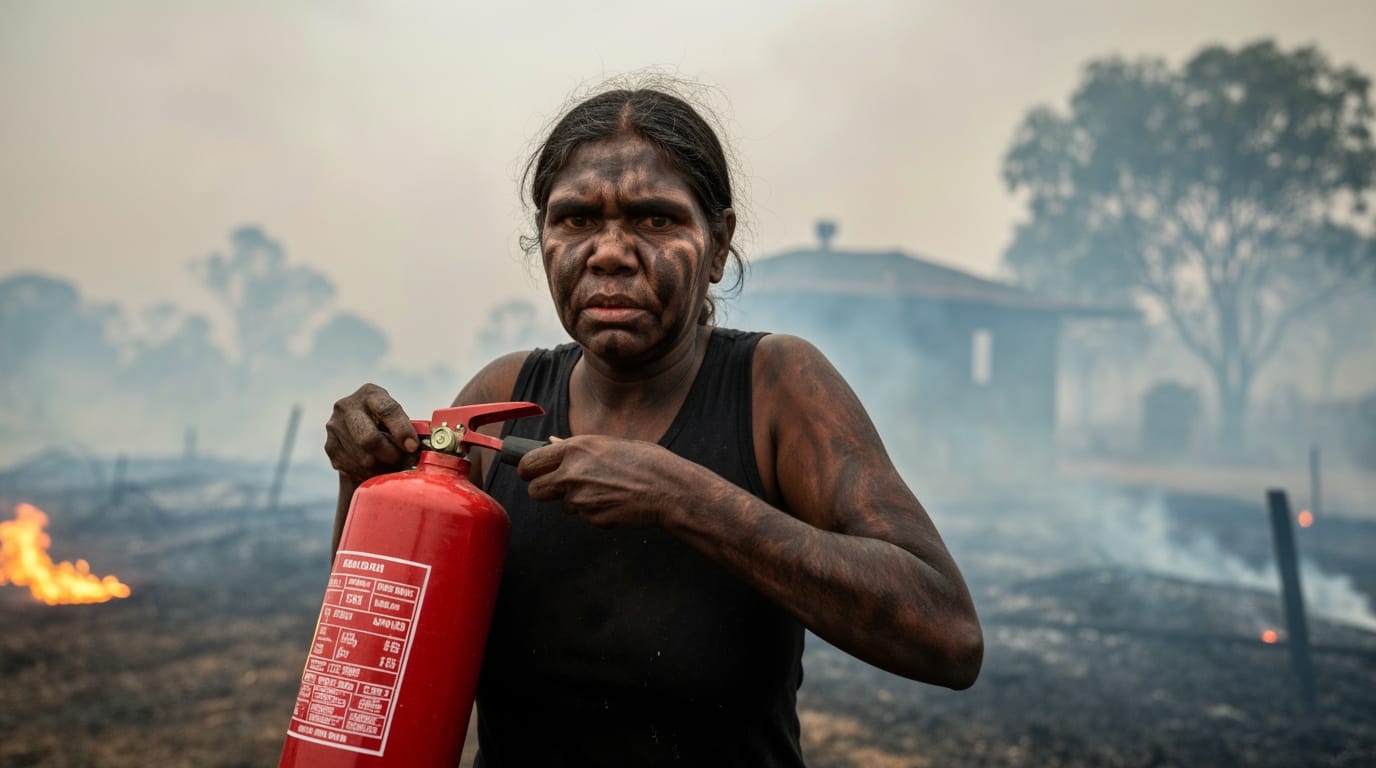
CANBERRA, ACT – As Australia confronts an increasingly volatile climate, its communities are not merely enduring devastating bushfires but are actively forging innovative strategies to adapt and build resilience. The relentless rhythm of fire seasons, amplified by a warming planet, has spurred a comprehensive national effort encompassing advancements in technology, a renaissance of ancient Indigenous land management, stronger building codes, and reinforced community networks, all aimed at living with fire rather than simply reacting to it. This profound shift represents a national commitment to safeguarding lives, livelihoods, and the unique Australian landscape against an escalating threat.
The Shifting Landscape of Fire Preparedness
The imperative for adaptation has never been more pressing. Scientific studies consistently highlight the need for improved local and national measures to mitigate the growing fire risk, particularly in south-eastern Australia, alongside global climate change mitigation efforts. Bushfires are no longer an anomaly but an integral, and intensifying, part of the Australian reality, necessitating a fundamental recalibration of societal response. The 2020 Bushfires Royal Commission underscored this, making recommendations that have since become a roadmap for enhancing community resilience.
A cornerstone of this renewed approach is robust community preparedness. Fire services across the nation urge residents to develop and regularly update bushfire survival plans, prepare emergency kits, and actively manage their properties by clearing gutters, mowing lawns, and removing flammable materials. This proactive stance empowers individuals and households, fostering a sense of control that has been linked to better mental health outcomes in the face of disaster. Staying informed through updated Australian Fire Danger Rating Systems and local emergency service apps is also crucial for timely response.
Integrating Ancient Wisdom: The Power of Cultural Burning
A significant re-evaluation of land management practices is underway, with a growing recognition of the profound efficacy of Indigenous cultural burning. For over 60,000 years, Aboriginal and Torres Strait Islander peoples have utilized "fire as a friend, not a foe," employing systematic, low-intensity burns to manage Country. These "cool burns" are distinct from conventional hazard reduction techniques, generating far less heat and causing minimal damage to tree canopies, allowing wildlife to escape, and encouraging new growth of culturally significant species.
Research indicates that thousands of years before colonization, Indigenous cultural burning halved shrub cover across south-east Australia, effectively reducing the intensity of bushfires. This sophisticated approach, deeply rooted in an intimate understanding of local ecosystems, contrasts sharply with the European land management practices that, post-colonization, often led to increased scrub and a greater propensity for intense, destructive bushfires. The wide-scale re-integration of cultural burning, combined with modern Western fire management techniques, is now considered crucial for reducing catastrophic wildfire threats, regenerating native flora, protecting animal habitats, and strengthening Indigenous connection to Country. Efforts are underway to create an Indigenous-led National Cultural Fire Strategy to complement and inform agency fuel management.
Building Stronger Foundations: Adapting Infrastructure to Fire
The lessons from past bushfire tragedies have directly influenced Australia's building standards, fundamentally altering how homes and infrastructure are constructed in fire-prone regions. Following the devastating 2009 "Black Saturday" bushfires, national building requirements were significantly enhanced, leading to the establishment of minimum standards for design and construction on bushfire-prone land through the National Construction Code.
These standards, detailed in AS3959, classify properties based on their Bushfire Attack Level (BAL), assessing the potential exposure to radiant heat, embers, and flame contact. For new homes in extreme fire risk areas, stringent measures are now mandatory, including the use of non-combustible external walls (such as brick veneer or concrete), sealed wall and roof joints to prevent ember entry, non-combustible materials for roofs and decks, and fire-resistant doors and toughened glass windows. While these measures significantly improve a building's resilience, it is acknowledged that compliance with AS3959 does not guarantee a home will survive a bushfire due to the unpredictable nature of extreme fire events and weather conditions. Nevertheless, these updated codes represent a critical layer of physical adaptation, enhancing the survivability of properties and the safety of occupants.
Technological Frontiers in Firefighting and Early Warning
Beyond traditional methods, Australia is leveraging cutting-edge technology to enhance its capacity to detect, monitor, and respond to bushfires. Artificial intelligence (AI) and advanced satellite technology are transforming bushfire management. New satellite networks like FireSat can detect fires as small as 5x5 meters, providing early warnings that are vital for rapid response teams. This early detection capability, often supported by AI, significantly reduces reaction times and improves accuracy in identifying fire threats, offering precious minutes that can dramatically alter the outcome of an event.
Further innovations include the use of drones for visual verification of detected fires and the collection of data to power AI models, improving risk assessment and individual detection technologies. The Australian National University (ANU) is also researching advanced interdisciplinary systems for rapid detection and suppression, including GPS-guided water gliders that can extinguish ignitions when they are small. These technological advancements, combined with improved prediction models from institutions like CSIRO, aim to create a more integrated and effective national system for bushfire prevention and suppression.
Nurturing Social Capital: The Role of Community and Mental Health
The human element of adaptation is as crucial as the physical and technological. Bushfires inflict significant psychological trauma, with high rates of depression, anxiety, stress, and post-traumatic stress disorder (PTSD) reported in affected populations. However, studies also highlight the remarkable resilience of Australians, with many experiencing a return to pre-disaster mental health levels, particularly when feeling prepared and socially connected.
Community spirit and volunteerism emerge as powerful forces in both immediate response and long-term recovery. Volunteers play critical roles, from emergency relief to environmental restoration and rebuilding efforts, fostering social networks and leadership within affected areas. The collective action of communities, often spontaneously mobilized, provides crucial practical assistance and vital social support, reinforcing the notion that strong social connections aid recovery. Organizations are increasingly focused on promoting mental health as a preventative strategy, emphasizing community connection and targeted support for vulnerable groups.
The economic toll of bushfires, particularly on regional tourism and agriculture, can be substantial, leading to reduced GDP and prolonged recovery efforts. However, Australian ingenuity and a focus on "building back better" are driving economic recovery and the development of more resilient local economies. Governments provide disaster assistance and funding to aid this process, understanding that a robust local economy is essential for overall community healing.
Australia's journey of adaptation is ongoing, a complex interplay of environmental challenge and human ingenuity. By embracing diverse strategies – from ancient fire practices to artificial intelligence, from rigorous building codes to the strengthening of social bonds – the nation is confronting its fiery future with a determined resolve to learn, evolve, and ultimately, thrive.