Australia's Social Media Ban: A Protective Shield or a Catalyst for Youth Isolation?
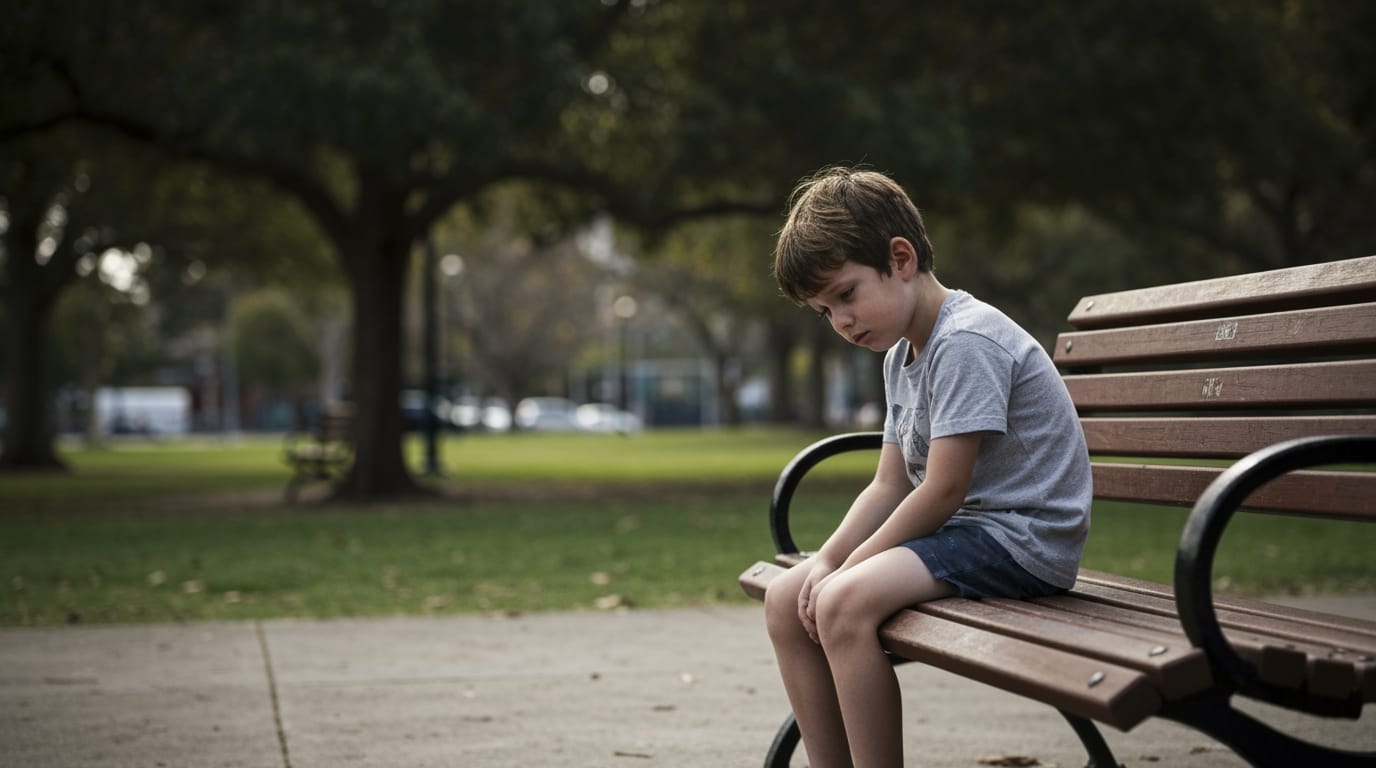
SYDNEY, Australia – As Australia ushers in a world-first comprehensive ban on social media for children under 16, a growing chorus of young voices and mental health experts warns that the landmark policy, intended to safeguard mental well-being, could inadvertently plunge vulnerable adolescents into deeper isolation and distress. Effective December 10, 2025, the legislation blocks millions of underage users from platforms like TikTok, Instagram, and YouTube, sparking a national debate on the true cost of digital disconnection, particularly as the long summer holidays begin.
The Government's Bold Stance: Protecting Young Minds
The Australian government's move, enacted through the Online Safety Amendment (Social Media Minimum Age) Bill 2024, marks a significant global precedent in regulating online access for minors. Prime Minister Anthony Albanese has framed the law as a vital tool to support parents and delay children's exposure to the myriad pressures of social media, allowing their critical thinking and cognitive faculties to mature. The primary motivation behind the ban is to shield young people from documented harms such as cyberbullying, exposure to explicit or violent content, online predators, and the detrimental mental health impacts linked to excessive use, including anxiety, low self-esteem, and comparison culture. Social media companies failing to prevent underage access face substantial fines, potentially up to $50 million. This policy reflects a national sentiment that platforms have become engines of social pressure, where intimidation and self-image commodification are rampant.
A Generation's Cry: The Peril of Disconnection
While the government champions protection, many young Australians fear the ban's severe social consequences. A recent survey revealed that 56% of Australian children anticipate losing crucial connections and support systems due to the restrictions. For Sydney teenager Ayris Tolson, 15, the prospect of the six-week December-to-January school holidays without social media evokes fears of profound loneliness. "You're basically isolated for about six weeks during the school holidays," Tolson stated, adding, "As it continues on, I will probably feel more attached to social media. It's not such a good time."
Mental health experts echo these concerns, particularly given the timing of the ban's rollout. Implementing such a significant policy just before the lengthy summer break, a period typically devoid of school routines and institutional supports, could intensify feelings of anxiety and distress among teenagers who rely on online platforms for socialization. For many, online spaces serve as a "social oxygen," allowing them to form identities, navigate peer hierarchies, and develop crucial social milestones. Without these digital avenues, some experts predict withdrawal symptoms akin to addiction, including irritability, anger, frustration, and heightened emotional volatility.
The Vulnerable Most at Risk
The impact is expected to be disproportionately felt by some of Australia's most vulnerable youth. LGBTQIA+ individuals, neurodivergent teenagers, and those residing in isolated rural communities frequently find validation, support, and a sense of belonging in online communities that may be absent or less understanding in their immediate physical environments. For these young people, social media often acts as a critical lifeline, providing access to peer networks and mental health resources. The eSafety Commissioner, Julie Inman Grant, acknowledged that marginalized teens sometimes "feel more themselves online than they do in the real world," while also pointing to exempted online spaces, like those run by headspace, as alternative support. Despite this, the abrupt removal of established digital connections raises significant concern among youth support services, which are already bracing for a potential increase in demand for counseling.
A Divided Expert Opinion: The Science Behind the Ban
While parental support for the ban is strong, with 65-68% of Australian parents favoring the restriction to protect mental health, the expert community remains divided. The Australian Psychological Society (APS), the nation's peak body for psychologists, has urged caution, noting that while the policy aims to protect, "a sudden disconnection from digital social spaces could trigger feelings of isolation and anxiety, particularly among teens who rely on social media for connection and self-expression." The APS emphasizes that social media, while having negative aspects, also serves as a vital avenue for connection, especially for youth in rural or isolated regions.
Some researchers argue that the evidence definitively linking social media use to the rise in youth mental illness is inconclusive. They contend that a blanket ban acts as a "blunt instrument" that overlooks the complex and nuanced role social media plays in modern adolescence, potentially overlooking its benefits while focusing solely on its harms. A study by Mission Australia suggests that moderate social media use (one to three hours daily) might even correlate with similar or better mental health outcomes compared to very low use, hinting that moderation, rather than outright prohibition, could be key. Conversely, a psychiatrist cited in one report supports the ban, referencing studies that indicate social media use can adversely affect brain empathy pathways, potentially leading to social phobia, anxiety, and depression.
Navigating the New Landscape: Challenges and Alternative Paths
The implementation of the ban presents significant practical challenges, not least among them enforcement. Concerns exist regarding the feasibility of age verification systems, with some parents already reportedly showing their children how to bypass restrictions using VPNs. A 15-year-old student, Noah Jones, has even launched a High Court challenge against the ban, asserting it will make the internet more dangerous by pushing young users into less regulated online corners.
In response to these complexities, many experts advocate for a multi-faceted approach. Rather than relying solely on restriction, there's a strong call to equip young people with advanced digital literacy skills, fostering critical thinking and safe online habits. Parents are encouraged to maintain open lines of communication with their children, focus on building in-person connections, and model healthy digital habits themselves. Youth organizations are already adapting, exploring new ways to engage with young people offline and prepare for the potential surge in mental health support needs.
A Social Experiment with High Stakes
Australia's social media ban for under-16s is undeniably a bold experiment, garnering international attention as other nations grapple with similar concerns about digital childhood. The government has committed to collecting two years of data to assess both the benefits and any unintended consequences of the policy.
The core challenge remains balancing the imperative to protect children from online harms with the need to foster healthy social development. As millions of young Australians are disconnected from their accustomed online networks, the coming months will provide crucial insights into whether this unprecedented measure truly safeguards their well-being or inadvertently creates a new form of isolation, leaving a generation feeling unheard and alone in a rapidly evolving digital world.


