Austria Swears In Centrist Coalition, Sidelines Far-Right After Record Delay
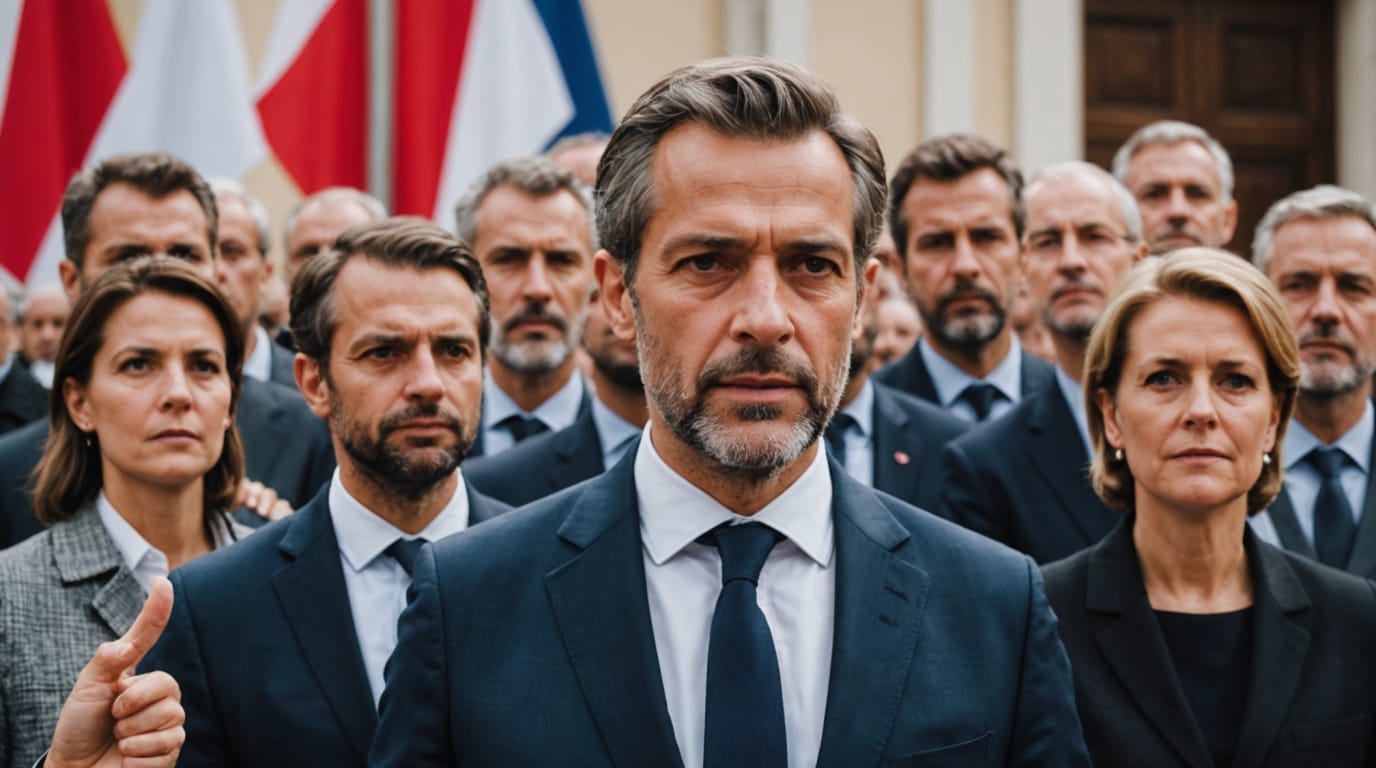
VIENNA – Austria's political landscape shifted as a centrist coalition government was sworn in Monday, ending the country's longest period without a government since World War II. The alliance, comprised of the conservative People's Party (ÖVP), the center-left Social Democrats (SPÖ), and the liberal Neos party, marks a significant move to keep the far-right Freedom Party (FPÖ) out of power despite its electoral success in September.
The formation of this three-party coalition is the first of its kind in Austria since the post-war era. It comes after months of political maneuvering and failed attempts by other parties, including the FPÖ, to establish a stable government. The coalition aims to provide a clear alternative to the FPÖ's Eurosceptic and Russia-friendly policies, which had gained traction in recent years.
Months of Negotiations Culminate in Historic Agreement
The path to this coalition was far from smooth. Following the September elections where the FPÖ secured approximately 29% of the vote, becoming the largest party, attempts to form a government proved challenging. Initial efforts by the centrist parties to collaborate without the FPÖ collapsed in January. Subsequently, the FPÖ's own attempts to forge a coalition also failed last month, leading to renewed efforts by the ÖVP, SPÖ, and Neos to find common ground.
Christian Stocker of the ÖVP is expected to assume the role of chancellor, while Andreas Babler of the SPÖ will serve as vice chancellor. The coalition agreement, reached after what Stocker described as "perhaps the most difficult negotiations on a government in the history of our country," outlines a program focused on key policy areas including pension reform, fiscal responsibility, and reducing bureaucracy.
Neos Approval Seals the Deal
The final hurdle to the coalition's formation was overcome Sunday when members of the Neos party overwhelmingly approved the coalition agreement. A resounding 94% of Neos members voted in favor of the 200-page agreement, surpassing the required two-thirds majority. This approval was crucial, as failure to secure it would have left the ÖVP and SPÖ with a narrow one-seat majority in the lower house, deemed impractical for effective governance.
Neos leader Beate Meinl-Reisinger emphasized the importance of compromise and collaboration in her address to party members before the vote. She highlighted the party's commitment to cutting state spending and streamlining regulations, key priorities reflected in the government program.
Policy Priorities and Challenges Ahead
The newly formed coalition faces numerous challenges as it takes office. Pension reform, a long-standing priority for the Neos, is expected to be a central focus. The government also aims to address concerns about state spending and bureaucratic inefficiencies.
The coalition's program includes measures designed to stimulate economic growth, improve education, and strengthen Austria's position within the European Union. However, navigating the diverse interests and priorities of the three coalition partners will require careful negotiation and compromise.
Implications for Austria and Europe
The formation of this centrist coalition has significant implications for both Austria and the broader European political landscape. By sidelining the FPÖ, the coalition aims to prevent the implementation of policies that could potentially destabilize the EU and undermine democratic values.
The coalition's success will depend on its ability to deliver tangible results and address the concerns of Austrian voters. If successful, it could serve as a model for other European countries grappling with the rise of far-right parties. However, failure to meet expectations could further fuel disillusionment and pave the way for a resurgence of support for the FPÖ in future elections.
In conclusion, the swearing-in of Austria's centrist coalition government marks a pivotal moment in the country's political history. After a record-breaking period of uncertainty, the ÖVP, SPÖ, and Neos have forged an alliance to keep the far-right FPÖ out of power. The coalition now faces the daunting task of implementing its policy agenda and addressing the challenges facing Austria, while also demonstrating the viability of centrist governance in an era of increasing political polarization.


