Baltic Airspace Under Strain: NATO Jets Scramble Amid Rising Drone Incidents
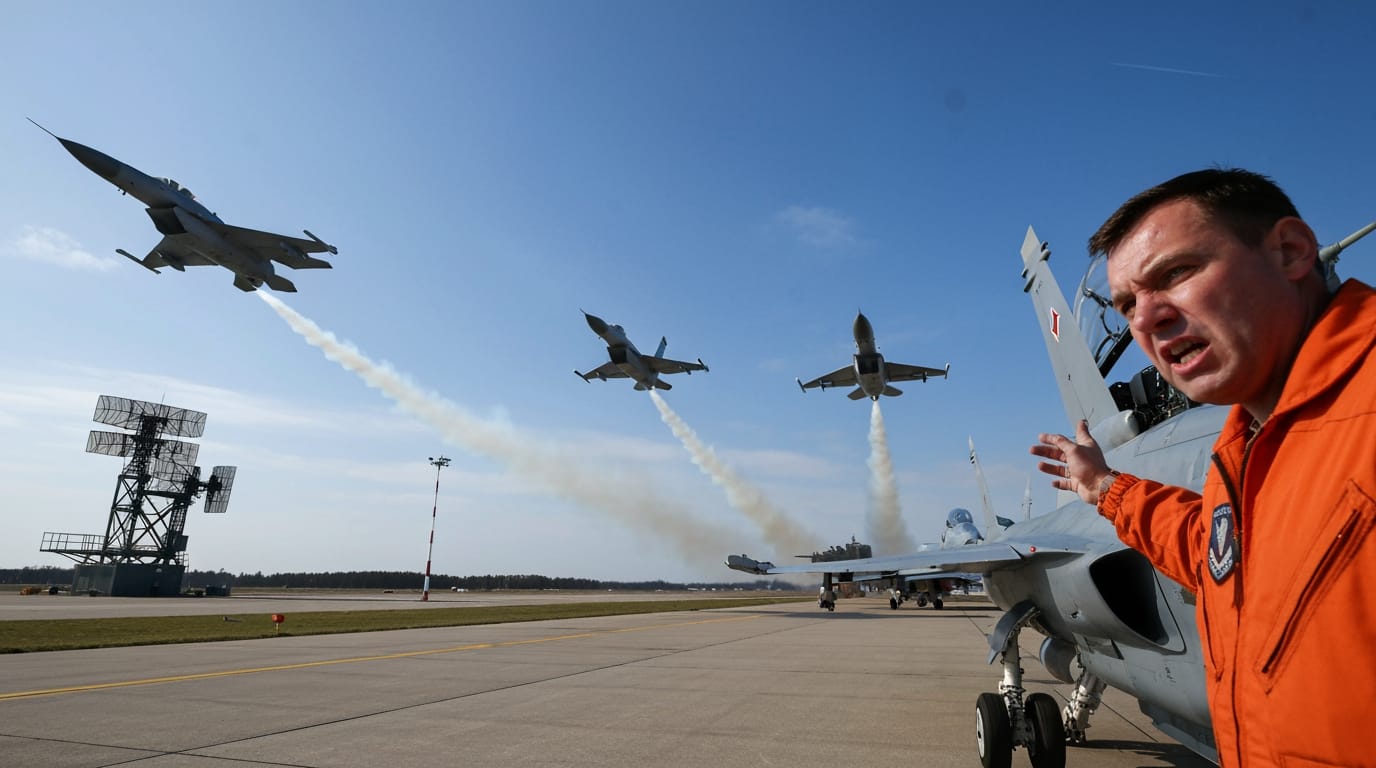
RIGA, Latvia – NATO fighter jets were scrambled over Latvia on Thursday in response to a drone alert, marking the latest in a series of unmanned aerial vehicle (UAV) incursions that have heightened tensions across the Baltic region. The incident, which prompted warnings for residents in eastern Latvia to seek shelter, underscores a growing pattern of airspace violations that officials largely attribute to the ongoing conflict in Ukraine and sophisticated electronic warfare tactics. This recent alert in Latvia was the third consecutive day the nation faced drone-related security concerns, reflecting an increasingly volatile security landscape along NATO's eastern flank.
Escalation in Baltic Skies: A Week of Alerts
The drone alert on May 21 in Latvia involved the confirmed detection of at least one UAV in the country's airspace, triggering a swift response from NATO forces assigned to Baltic air policing missions. While the Latvian Armed Forces later declared the threat concluded, the incident follows a week of significant airspace disruptions across the Baltic states. Just days prior, on May 19, a NATO fighter jet—a Romanian F-16—shot down a suspected Ukrainian drone over neighboring Estonia, an event that drew apologies from Kyiv. The day before, on May 20, a similar drone incident in Lithuania led to the temporary suspension of air traffic at Vilnius airport and forced lawmakers to take refuge in shelters. Reports indicate that the drone in the Lithuanian incident originated from Belarus.
Collectively, these incidents are not isolated occurrences. Since the beginning of May, the Baltic states and Finland have recorded at least six airspace violations involving unmanned aerial vehicles, highlighting a distinct escalation in airborne activity in the region. These events have sparked widespread concern, forcing a reevaluation of air defense strategies and civilian preparedness.
The Blame Game and the Shadow of Electronic Warfare
The origin and intent behind these drone incursions remain a subject of competing narratives. Ukrainian officials have acknowledged an increase in long-range drone attacks against targets within Russia, some of which traverse the Baltic Sea region. Kyiv has, however, apologized for drones straying into NATO member airspace, attributing such deviations to aggressive Russian electronic warfare, including GPS jamming and spoofing that misdirects their UAVs. This explanation is widely supported by the Baltic states and NATO leadership. Lithuanian Foreign Minister Kęstutis Budrys stated that Russia is "deliberately" redirecting Ukrainian drones into Baltic airspace through electronic interference. NATO Secretary-General Mark Rutte echoed this sentiment, dismissing Russian claims that Ukrainian drones were intentionally launched from Latvian territory as "completely absurd" and squarely blaming Russia's "reckless, illegal large-scale attack on Ukraine" for these incidents.
Conversely, Moscow has put forth its own accusations. Russia's Permanent Representative to the United Nations, Vasily Nebenzya, has claimed that Russian intelligence possesses information indicating Ukraine plans to launch drone operations from Latvia and other Baltic states. Nebenzya issued a stark warning, stating that NATO membership would not protect these nations from potential retaliation if such actions were to occur. These claims have been vehemently rejected by Latvia, Ukraine, and the United States, with Latvia's Foreign Ministry summoning a Russian diplomatic representative to issue a formal protest note. This exchange underscores the high stakes and the information warfare component of the ongoing conflict, where the facts surrounding drone movements are often contested in real-time.
NATO's Unwavering Vigilance
In response to the persistent aerial threats, NATO maintains a robust presence in the Baltic region through its Baltic Air Policing mission. Established in 2004 following the accession of Estonia, Latvia, and Lithuania into the Alliance, this mission ensures continuous airspace surveillance and readiness. Member states rotate contributions of fighter jets and personnel, operating from key airbases such as Šiauliai in Lithuania, Ämari in Estonia, and, since 2024, Lielvārde in Latvia. These forces operate on a 24/7 alert, with fighter pilots capable of scrambling within 15 minutes to intercept unidentified aircraft.
Beyond routine air policing, NATO has implemented enhanced vigilance activities. The "Baltic Sentry" mission, launched in January 2025, specifically aims to bolster the security of critical undersea infrastructure through the deployment of frigates, maritime patrol aircraft, and naval drones. Additionally, the "Eastern Sentry" mission, initiated in September 2025, further enhances NATO's vigilance along its entire eastern flank, contributing additional capabilities to the Alliance's deterrence and defense posture. NATO Secretary-General Rutte has commended the alliance's response to these incidents, describing it as "calm, decisive, and proportionate," emphasizing that the alliance was prepared for such scenarios.
Geopolitical Fallout and Regional Stability
The increasing frequency of drone incursions has not only tested NATO's air defenses but has also cast a shadow over the political stability of the region. The Latvian government notably resigned last week, with its handling of the incursions cited as a contributing factor. These growing tensions between Moscow and the Baltic states are now reportedly overshadowing crucial meetings of NATO foreign ministers, who are gathering to prepare for upcoming alliance summits.
The Baltic states, sharing borders with Russia and Belarus, represent a critical geopolitical fault line, making them particularly susceptible to "hybrid pressure"—tactics that fall below the threshold of armed attack but aim to sow instability and test defensive responses. The ambiguity surrounding drone incidents, where an intrusion could be accidental, diverted, or a deliberate provocation, poses a complex challenge for decision-makers who often have only minutes to act. These incidents underscore the strategic importance of NATO's collective defense commitment (Article 5) and the necessity for robust air and electronic warfare capabilities in an era of evolving threats. While the immediate focus remains on de-escalation and defense, the broader implications involve ongoing discussions within NATO regarding resource allocation and the future roles of member states, particularly in light of evolving U.S. commitments to European security.
Conclusion
The recent surge in drone alerts and airspace violations across the Baltic region, epitomized by Latvia's repeated scrambles of NATO jets, highlights a new front in the complex security challenges facing Europe. These incidents, while primarily attributed to the spillover effects of Russia's war in Ukraine and its electronic warfare tactics, also serve as a constant test of NATO's readiness and resolve. The Alliance's robust air policing mission, coupled with enhanced vigilance measures, demonstrates a firm commitment to safeguarding its airspace and member states. As the geopolitical landscape remains fraught with tension, the skies above the Baltics will likely continue to be a critical arena where technological advancements, strategic maneuvering, and the unwavering defense of sovereignty play out daily.


