Ebola Resurgence in Central Africa Prompts Urgent Global Warnings
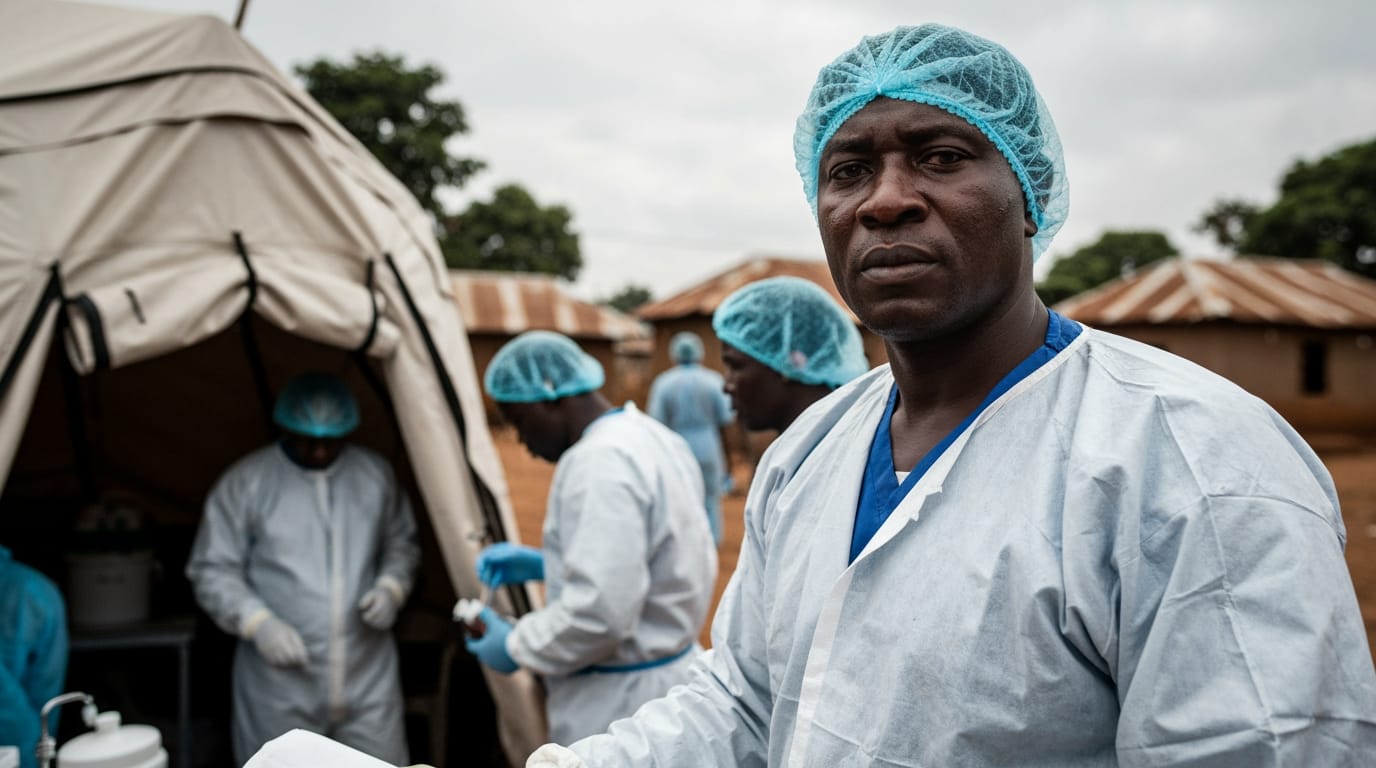
Health officials globally are sounding alarms over a rapidly escalating Ebola outbreak in Central Africa, with experts expressing deep concern regarding the virus's potential scale and speed of spread. The World Health Organization (WHO) has declared a Public Health Emergency of International Concern (PHEIC) as cases of the deadly Bundibugyo strain, for which no approved vaccines or treatments currently exist, surge in the Democratic Republic of Congo (DRC) and neighboring Uganda. This resurgence highlights the persistent threat of emerging infectious diseases, particularly in regions grappling with instability and strained healthcare systems.
Alarming Scale and Unprecedented Challenges
The current outbreak, centered in the remote, conflict-ridden northeastern provinces of Ituri and North Kivu in the DRC, has already seen hundreds of suspected cases and a significant death toll. As of May 20, 2026, reports indicate nearly 600 suspected cases and 139 suspected deaths, with health officials anticipating these numbers to climb as surveillance efforts intensify. The director-general of the WHO, Tedros Adhanom Ghebreyesus, has voiced profound concern over the epidemic's "scale and speed," noting that the outbreak is likely much larger than currently detected due to clusters of unexplained deaths and a high positivity rate among tested samples. This specific Bundibugyo strain has only been identified in two previous, smaller outbreaks in 2007 and 2012, making the current situation the largest in its history. Unlike the more common Zaire strain, for which effective vaccines and treatments like rVSV-ZEBOV exist, medical professionals are confronting a variant with limited therapeutic options, increasing the urgency of containment strategies.
Compounding Factors Fueling the Spread
A convergence of complex factors is making this particular Ebola outbreak extraordinarily difficult to contain. The affected regions in the DRC are characterized by insecurity, ongoing armed conflict, and significant population displacement, which severely impede humanitarian operations and public health interventions. Militias operate across parts of the region, and deep mistrust of government authorities and external health workers can hinder crucial contact tracing and isolation efforts. Mining activities also contribute to high levels of population movement, further increasing the risk of wider transmission.
Furthermore, the outbreak's late detection means public health teams are not starting at the beginning of the transmission chain. Instead, they are challenged with reconstructing weeks of exposures, missed diagnoses, unsafe burials, and cross-border movements, complicating efforts to track and isolate infected individuals. Weak infection prevention and control measures, coupled with community deaths occurring outside formal healthcare systems, also contribute to the high risk of regional spread, particularly across porous borders with neighboring countries like Rwanda and South Sudan. This is exacerbated by pre-existing weak health infrastructures, a shortage of trained personnel, and a lack of essential medical supplies in many affected countries.
Global Response and Preparedness Challenges
In response to the escalating crisis, the WHO's declaration of a PHEIC signifies a call to action for international cooperation and resource mobilization, though it does not yet classify the situation as a pandemic emergency. The United States Centers for Disease Control and Prevention (CDC) and the Department of Homeland Security (DHS) have already implemented enhanced travel screening and entry restrictions for non-U.S. passport holders from affected areas to prevent the virus's introduction into the U.S. An American exposed to the virus in the DRC has been transported to Germany for treatment, underscoring the international dimension of the threat.
International aid cuts have also been identified as a factor potentially weakening global health infrastructure, hindering the ability to respond effectively to such outbreaks. The rapid deployment of emergency medical supplies, infection prevention kits, and experts to the DRC and Uganda is underway, but sustained funding and robust logistical support are critical. Lessons from the 2014-2016 West Africa Ebola epidemic, which claimed over 11,000 lives and prompted significant investment in global health security, are being revisited. These past experiences underscored the need for stronger, sustainable disease detection and prevention capacity worldwide, emphasizing proactive rather than purely reactive epidemic management strategies.
The Human Toll and Economic Impact
Beyond the immediate health crisis, Ebola outbreaks inflict profound human and socioeconomic costs. Communities face severe disruption, and fear of infection can lead to reduced economic activity, affecting agriculture, trade, and tourism. Survivors and their families often endure stigma, grief, and long-term mental health challenges. Healthcare workers, who are on the frontlines, face immense risks, with high mortality rates among them highlighting the critical need for adequate protective measures, training, and robust support systems.
The spread of Ebola also highlights the interconnectedness of global public health. Infectious diseases do not respect international borders, and a localized outbreak can quickly become a regional or even global concern, particularly with modern travel connecting remote regions to major hubs. Without effective containment, the current situation poses a significant risk to global health security, demonstrating how biological threats, geopolitical instability, and shifting health priorities can converge into a major crisis.
A Call for Coordinated, Proactive Action
The unfolding Ebola crisis in Central Africa serves as a stark reminder of the continuous vigilance and robust preparedness required to combat deadly pathogens. While the immediate focus remains on containing the current outbreak through intensified surveillance, contact tracing, isolation, and supportive care, experts advocate for a dual approach that incorporates both "reactive" interventions and "pre-emptive" strategies. This includes strengthening local health systems, ensuring adequate funding, fostering community engagement, and accelerating research and development for vaccines and treatments against all Ebola strains. Sustained international cooperation and investment in global health infrastructure are paramount to prevent future outbreaks from spiraling into wider catastrophes, safeguarding lives and promoting stability in vulnerable regions.


