Baltic States Navigate Uncertainty as Trump Era Looms
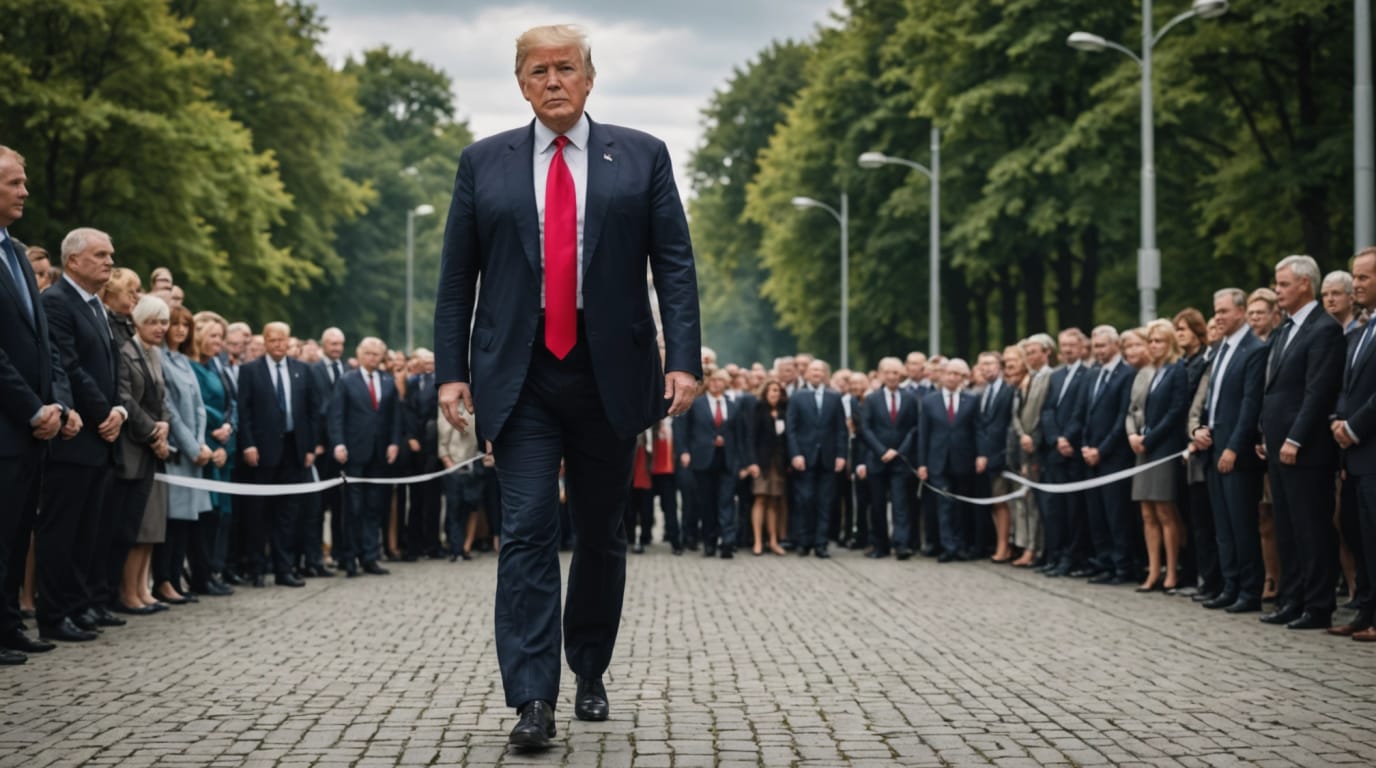
The Baltic states of Estonia, Latvia, and Lithuania, long considered staunch U.S. allies and key NATO members on the eastern flank, are bracing for a period of uncertainty as the prospect of a new Trump administration looms. While maintaining a pragmatic approach, these nations are acutely aware of the potential shifts in U.S. foreign policy and the implications for their security in a region shadowed by Russian aggression.
Historical Ties and Current Concerns
The relationship between the United States and the Baltic states is deeply rooted in history. The U.S. never recognized the Soviet Union's forcible incorporation of the Baltic states in 1940 and welcomed their restoration of independence in 1991. This unwavering support continued with U.S. backing for their accession to NATO and the European Union in 2004.
However, Russia's actions in Ukraine since 2014 have heightened concerns about the potential threat to the Baltic states, driving increased U.S. and congressional interest in the region. These concerns have only intensified following Russia's full-scale invasion of Ukraine in 2022. The Baltic states have been vocal in their support for Ukraine, providing military assistance and advocating for strong sanctions against Russia.
Trump's Impact: A Balancing Act
The election of Donald Trump has introduced a new layer of complexity for the Baltic states. Trump's past rhetoric questioning NATO's mutual defense obligations and his calls for allies to increase defense spending have caused unease in the region. His recent statements suggesting that the U.S. might not defend NATO allies who do not meet his unspecified financial obligations have further amplified these concerns.
Despite these anxieties, Baltic leaders are adopting a pragmatic approach, emphasizing their commitment to working with whoever is elected. They recognize that the U.S. role in Europe is evolving due to its intensifying rivalry with China and its growing focus on the Indo-Pacific region.
Former Estonian President Kersti Kaljulaid noted that the Biden administration has been "milquetoast" and expressed cautious optimism about working with a new Trump administration. Similarly, Latvian Foreign Minister Braiba Braže stated that cooperation with the Trump administration would be "close and strong," while also stressing the need for Latvia to continue investing in its own security and defense.
Defense Spending and Military Readiness
The Baltic states are among the top NATO contributors in terms of defense spending as a percentage of GDP. All three countries meet NATO's benchmark of spending at least 2% of their GDP on defense, and they have set targets to increase this to 3% or more in the coming years. Lithuania has even vowed to boost defense spending to between 5% and 6% of its GDP starting in 2026.
This increased spending is aimed at modernizing their armed forces, building up military infrastructure, and increasing the number of troops. Lithuania, Latvia, and Estonia have also pledged to build fortifications on their borders with Russia and Belarus to enhance their defenses.
The U.S. has also been providing security assistance to the Baltic states through initiatives like the Baltic Security Initiative and the European Deterrence Initiative. This assistance includes funding for military training, equipment, and infrastructure development. The U.S. maintains a rotational military presence in the Baltic states, conducting training and exercises to enhance interoperability and deter potential Russian aggression.
Prioritizing European Unity
Recognizing the potential for shifts in U.S. foreign policy, the Baltic states are also prioritizing European unity and seeking to strengthen their ties with other European allies. They understand that a strong and unified Europe is essential for ensuring their security and stability.
As Associate Professor of European Studies at the University of Tartu Stefano Braghiroli writes, "Estonia and the Baltic states – given Trump's proven unreliability – should prioritize European unity above all else, even when this means resisting temptations to accommodate the U.S. administration during moments of tension between Washington and Brussels or its Member States."
Investing in a genuine European Defense Union and advancing strategic autonomy are seen as essential to ensuring Baltic security while simultaneously strengthening NATO's European pillar. The guiding principle is to act as part of the transatlantic alliance whenever possible, but as Europeans whenever necessary.
Economic Considerations
The Baltic states are also mindful of the potential economic implications of a shift towards protectionism in the United States. While they agree with Washington on limiting the risks in economic relations with geopolitical adversaries like China, they are wary of a turn to protectionism in the United States, not least because it could embolden protectionists in the EU.
They hope to benefit from Washington's emphasis on nearshoring, but there are concerns as to how attractive they would be to US investors. Their preferred solution would be a transatlantic free trade area, but this would remain out of reach under a Trump administration.
Walking the Tightrope
The Baltic states find themselves in a precarious position, navigating the complexities of transatlantic relations while facing the ever-present threat of Russian aggression. They are committed to maintaining strong ties with the United States, but they are also aware of the need to strengthen their own defenses and deepen their cooperation with European allies.
By increasing their defense spending, modernizing their armed forces, and prioritizing European unity, the Baltic states are taking proactive steps to safeguard their security and independence in an uncertain world. They are walking a tightrope, balancing their reliance on the United States with the need to build a more resilient and self-sufficient security architecture in Europe.


