Beijing Intensifies Pressure: China Targets Japanese Firms Amid 'Remilitarization' Alarms
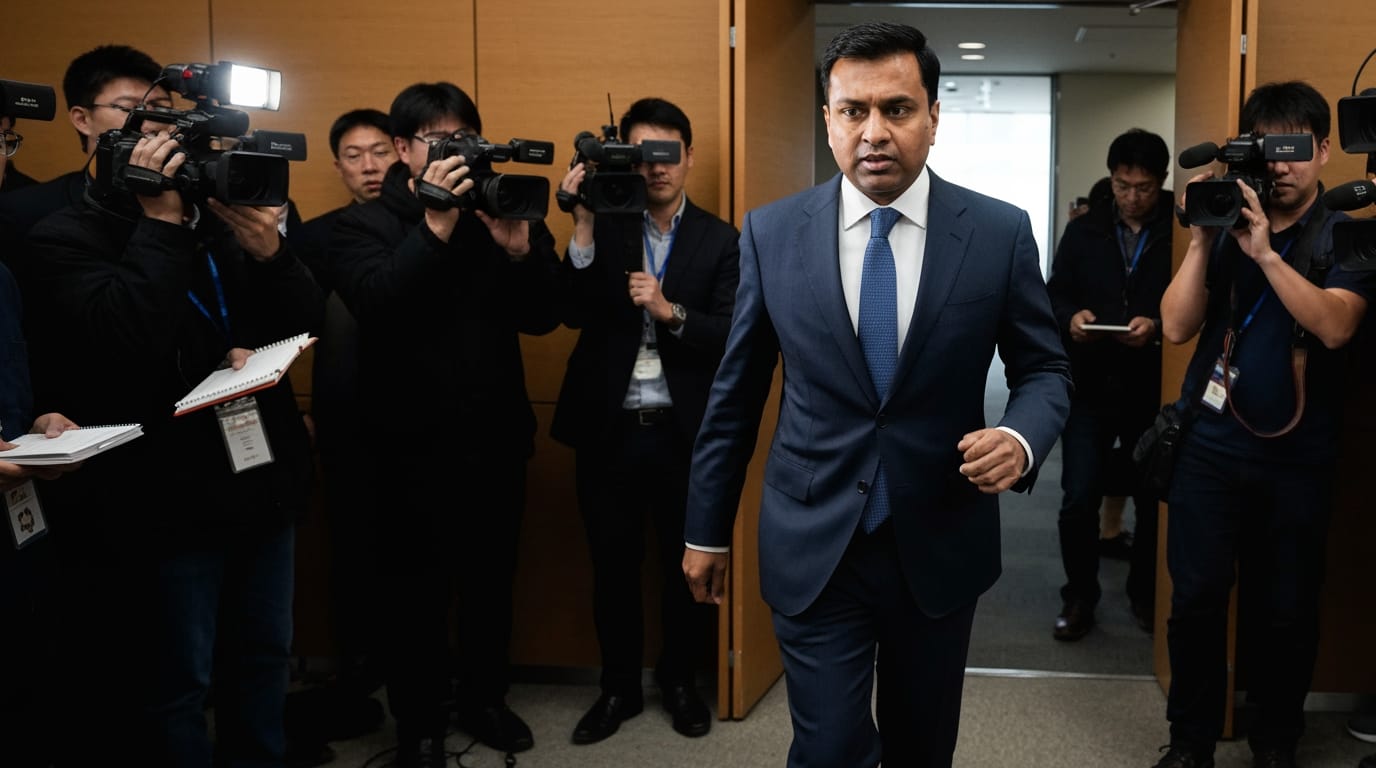
Beijing, China – February 24, 2026 – China has escalated its economic pressure on Japan, implementing stringent export controls and placing dozens of Japanese companies under scrutiny, citing growing concerns over what it terms Tokyo's "remilitarization" and "nuclear ambitions." This latest move by Beijing, which directly impacts major Japanese industrial players like Mitsubishi and Subaru, marks a significant downturn in Sino-Japanese relations, intertwining deep historical grievances with contemporary geopolitical anxieties over regional security and particularly the status of Taiwan.
The Commerce Ministry in Beijing announced Tuesday that it has imposed export controls on 20 Japanese entities, including subsidiaries of industrial giant Mitsubishi and the Japan space agency, accusing them of contributing to Japan's military capabilities. An additional 20 Japanese entities, such as automaker Subaru, have been placed on a "watch list," mandating stricter reviews for any exports of "dual-use items" that could have military applications. These measures, effective immediately, are explicitly aimed at "curbing Japan's 'remilitarization' and nuclear ambitions," a Commerce Ministry statement asserted, while simultaneously assuring that "honest and law-abiding Japanese entities have nothing to worry about."
The Spark: Taiwan and Japan's Defense Shift
The immediate catalyst for Beijing's intensified actions appears to be Japanese Prime Minister Sanae Takaichi's remarks in November, suggesting that Tokyo might react militarily to any attack on Taiwan. China, which views Taiwan as an integral part of its territory to be brought under mainland control, by force if necessary, strongly condemned these comments. Beijing interprets Japan's recent defense policy shifts and increased military spending as a dangerous deviation from its post-World War II pacifist constitution.
Japan's government, under Prime Minister Takaichi, has embarked on an ambitious defense buildup, approving a record-breaking defense budget exceeding ¥9 trillion ($58 billion) for fiscal year 2026. This represents a 9.4% increase and accelerates Japan's plan to allocate 2% of its GDP to military spending two years ahead of schedule, potentially positioning it as the world's third-largest defense spender. This strategic pivot includes significant investments in long-range standoff missiles and unmanned coastal defenses, with Tokyo framing these enhancements as necessary responses to a complex and challenging regional security environment, including concerns over China's own military expansion and North Korea's nuclear program. Chinese officials, however, have repeatedly slammed these budgetary hikes, arguing they expose "the sinister intent of Japanese right-wing forces to push for remilitarization and attempt a revival of militarism."
Economic Fallout and Broader Measures
Beyond direct export controls, China has deployed a range of economic tools to express its displeasure. Last month, Beijing announced a broad ban on the export of "dual-use" goods with potential military applications to Japan. It has also reportedly begun restricting the export of scarce and expensive "heavy" rare earths, along with powerful magnets containing them, to Japanese companies, a move that could significantly impact Japanese manufacturing and technology sectors.
The diplomatic chill has also impacted people-to-people exchanges and tourism. Chinese authorities have issued warnings against travel to Japan, leading to a precipitous drop in Chinese tourist arrivals. Japanese hotels have reported a 57% decrease in bookings from China since November, primarily affecting group tours. This decline has hit the bottom lines of Japanese businesses reliant on tourism, with companies like Shiseido, Isetan Mitsukoshi, and Ryohin Keikaku (parent of Muji) seeing their shares decline following Beijing's travel advisory. Cultural events and private-sector exchanges have also faced cancellations, indicating a broader deterioration of bilateral ties.
A Shadow of History: Persistent Grievances
The current tensions are deeply rooted in a history marked by conflict and unresolved grievances. China frequently invokes the memory of the Second Sino-Japanese War (1937-1945), a period of brutal Japanese aggression that resulted in immense suffering and loss of life in China. Beijing consistently urges Japan to "face squarely and deeply reflect on Japan's history of aggression," viewing Japan's current defense buildup through this historical lens as a dangerous resurgence of militarism.
For China, any steps perceived as re-militarization by Japan, especially those seen as challenging China's territorial integrity or national interests, tap into profound historical sensitivities. This contrasts with Japan's perspective, which views its enhanced defense capabilities as purely defensive in nature and a necessary response to contemporary regional security challenges, including a rising China and a nuclear-armed North Korea.
Navigating a Precarious Future
The current economic targeting of Japanese companies by China introduces a new layer of complexity to an already fraught relationship. While Beijing asserts that its actions are lawful and do not impact normal economic exchanges with "honest and law-abiding" entities, the reality for many Japanese businesses operating in China is one of increased uncertainty and operational challenges. Japanese officials have indicated they will "take appropriate measures" after assessing the impact of China's export curbs, signaling a potential for further diplomatic and economic responses.
The escalating friction between Asia's two largest economies has broader implications for regional stability and global supply chains. As both nations navigate a delicate balance between economic interdependence and strategic rivalry, the international community watches closely to see whether diplomacy can de-escalate tensions or if the economic and geopolitical standoff will continue to deepen, impacting trade, investment, and security across the Indo-Pacific. The intertwining of historical memory with present-day strategic calculations ensures that the path forward for Sino-Japanese relations remains deeply uncertain.


