Belarus Conducts Nuclear Drills with Russia Amid Heightened Regional Tensions
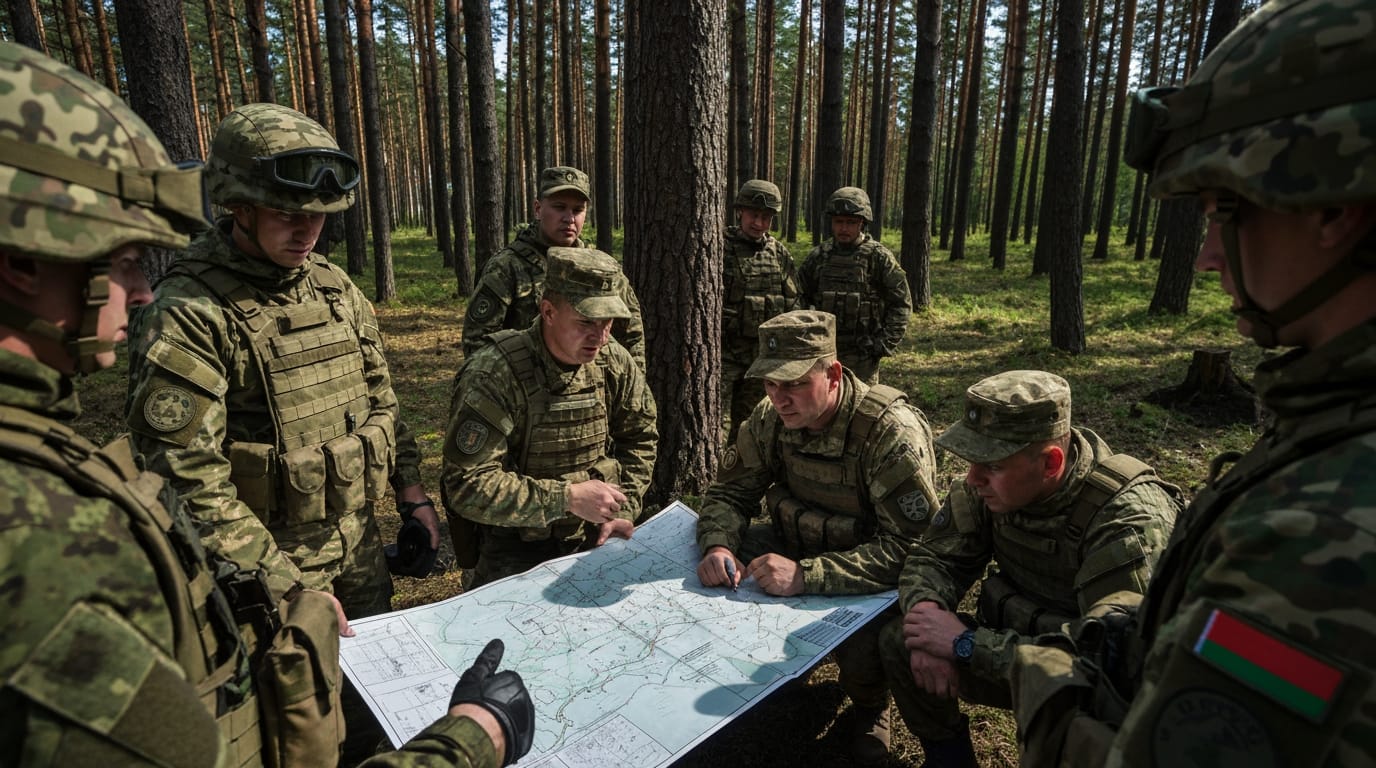
MINSK, BELARUS – Belarus on Monday launched military drills involving Russian tactical nuclear weapons, a move that significantly escalates regional tensions and draws sharp condemnation from Ukraine and its Western allies. The exercises, conducted jointly with the Russian side, involve practicing the delivery and preparation for use of non-strategic nuclear munitions, underscoring a deepening military cooperation between Moscow and Minsk amid the ongoing conflict in Ukraine.
The drills are the latest development in a series of steps that began with Russia's deployment of tactical nuclear weapons to Belarusian territory in 2023, marking the first time Moscow has stationed such armaments outside its borders since the collapse of the Soviet Union. Belarusian authorities characterize the maneuvers as "exclusively defensive" and aimed at deterring potential aggression, while critics view them as a dangerous provocation that further destabilizes the European security architecture.
Operational Details of the Drills
The military exercises, which commenced on May 18, 2026, involve specialized Belarusian missile units and warplanes configured for carrying nuclear warheads. Specific equipment participating in the drills includes Iskander short-range missile systems and Su-25 fighter jets. According to the Belarusian Defense Ministry, the primary objectives are to enhance the readiness of the armed forces, verify the operational status of weapons and equipment, and practice the logistical support and combat employment of nuclear assets from unplanned positions.
Key training scenarios during the exercises include the covert deployment of missile units to firing positions and simulating a response to an attack on Belarus. The maneuvers also emphasize movement over significant distances and calculations for the effective use of forces and equipment. Belarusian President Alexander Lukashenko previously stated that the Russian nuclear weapons are intended as a "weapon of deterrence, a defensive weapon." The Belarusian Defense Ministry further asserted that the drills are not directed against any third country and pose no security threats in the region, characterizing them as a planned training event within the framework of the Union State alliance between Russia and Belarus.
A New Nuclear Landscape in Eastern Europe
The current drills are a direct consequence of Russia's decision, announced in March 2023 by President Vladimir Putin, to deploy tactical nuclear weapons in Belarus. This initiative saw the transfer of nuclear warheads begin by June 2023. The move fundamentally altered Belarus's long-standing non-nuclear status, which it had maintained since 1996 after all strategic and tactical nuclear weapons from the Soviet era were withdrawn to Russia. A crucial precursor to this deployment was a constitutional amendment in Belarus in February 2022, which removed language committing the country to a nuclear-free zone and neutral state.
While Moscow maintains ultimate control over the use of these tactical nuclear weapons, Russian President Vladimir Putin has indicated that Belarus would be permitted to select targets in the event of a conflict. Tactical nuclear weapons are designed for battlefield use against troops or conventional targets and possess a significantly lower yield compared to strategic nuclear weapons, which are typically intercontinental ballistic missiles capable of devastating entire cities. In addition to the tactical nuclear warheads, Russia reportedly delivered its nuclear-capable Oreshnik missile system to Belarus in 2025. This system, a conventionally armed version of which has been used in Ukraine, is touted by Putin as being exceptionally fast and virtually interceptable. Belarus, which shares borders with Ukraine and NATO members Poland, Latvia, and Lithuania, has also served as a crucial staging ground for Russia's full-scale invasion of Ukraine since February 2022, facilitating missile launches and drone attacks, and hosting the initial offensive against Kyiv and Chernihiv oblasts.
International Alarm and Geopolitical Implications
The joint nuclear drills have triggered a strong wave of international criticism, particularly from Ukraine and its Western partners. Ukraine's Foreign Ministry vehemently condemned the exercises, describing them as "an unprecedented challenge to the global security architecture" and a blatant violation of the Nuclear Non-Proliferation Treaty (NPT). Kyiv argues that by involving a non-nuclear state in preparations for nuclear weapons use, Russia and Belarus are undermining trust in international law and legitimizing nuclear proliferation globally, thereby creating a dangerous precedent for other authoritarian regimes.
Ukrainian President Volodymyr Zelensky had previously voiced concerns that Russia was attempting to draw Belarus deeper into the war against Ukraine, potentially considering new offensive operations from Belarusian territory towards northern Ukraine or even against NATO countries. The Kremlin dismissed these warnings as "incitement aimed at prolonging the war and escalating tensions." In response to the drills, Ukraine's Foreign Ministry has called upon its Western allies to tighten sanctions against both Russia and Belarus, advocating for a robust, consolidated response from the Euro-Atlantic community.
The exercises also come on the heels of Russia's announcement in early May of similar, wider drills involving non-strategic nuclear weapons, which Moscow framed as a response to perceived "provocations" from the United States and European allies concerning their support for Ukraine. These provocations included statements by French President Emmanuel Macron about not ruling out deploying troops to Ukraine and some NATO allies permitting Ukraine to use Western-supplied weapons on targets within Russia's border areas. The Belarusian opposition leader, Sviatlana Tsikhanouskaya, has also voiced strong disapproval, stating that the deployment of Russian nuclear weapons has "turned Belarus into a target" and that the country has become a "platform for Russian threats."
Conclusion: A Precarious Balance
The joint nuclear drills between Belarus and Russia represent a significant and concerning development in the volatile geopolitical landscape of Eastern Europe. While Minsk and Moscow assert the defensive nature of these exercises, portraying them as necessary deterrence against perceived Western threats, the international community largely views them as a provocative escalation. The drills not only raise the specter of nuclear confrontation but also challenge fundamental tenets of nuclear non-proliferation, given Belarus's historical non-nuclear status.
The strategic implications extend beyond the immediate region, setting a potentially dangerous precedent for the global security order. As the war in Ukraine continues and tensions between Russia and the West remain at an all-time high, the involvement of tactical nuclear weapons in military exercises further complicates an already precarious situation. The response from international actors, particularly in terms of sanctions and diplomatic pressure, will be crucial in shaping the trajectory of this evolving nuclear posture and its impact on future global stability.


