Belarus Frees 250 Political Prisoners in Landmark Deal, U.S. Lifts Sanctions
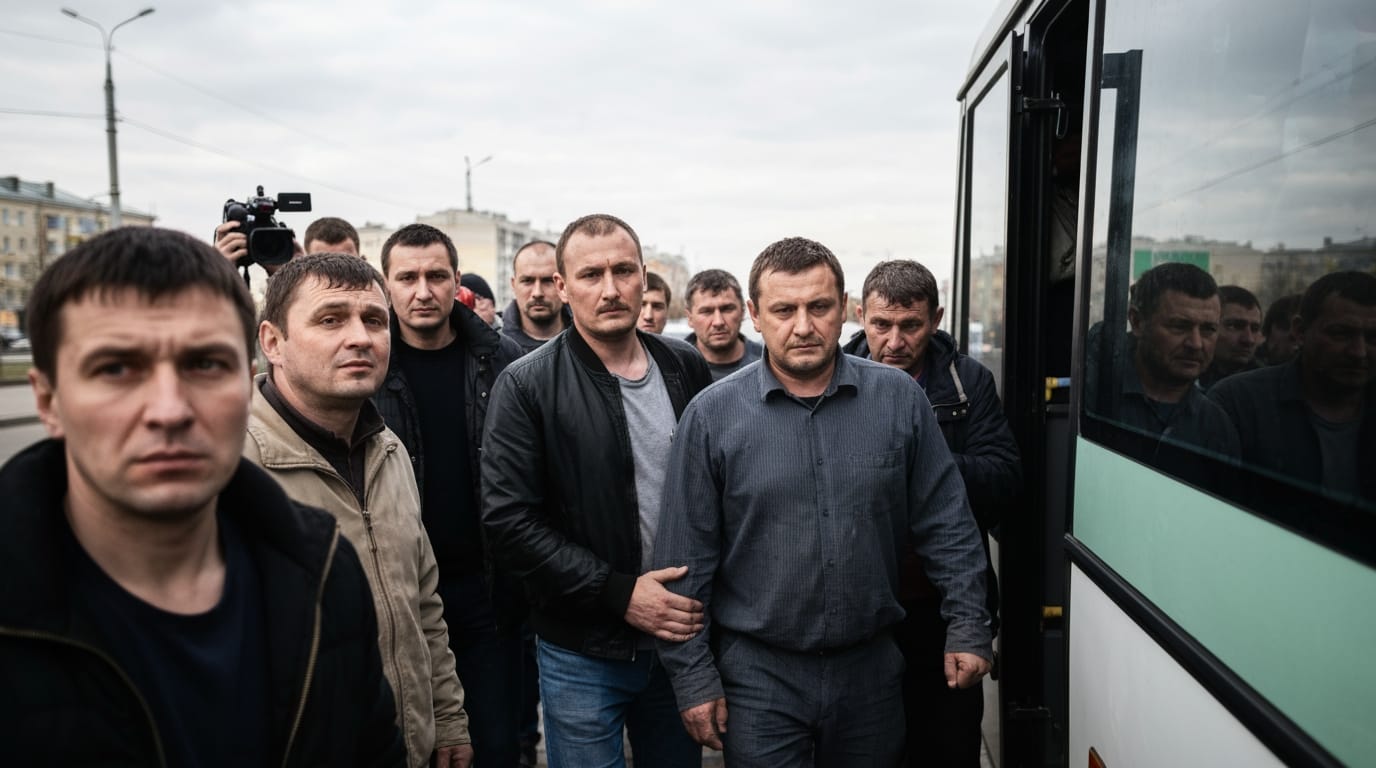
Minsk, Belarus – In a significant diplomatic breakthrough, Belarus on Thursday, March 19, 2026, released 250 political prisoners, a move directly linked to a deal with the United States to lift a series of sanctions. This pardon, ordered by authoritarian President Alexander Lukashenko, marks the largest single release of political detainees in the country's history, signaling a potential shift in the long-strained relationship between Minsk and the West. The agreement, brokered during a meeting between Lukashenko and U.S. President Donald Trump's special envoy for Belarus, John Coale, in the Belarusian capital, has been met with a mix of cautious optimism and calls for further human rights reforms from international observers and opposition figures.
The Release: A Glimmer of Hope for Detainees
The pardons extended to 250 individuals, many of whom were imprisoned on politically motivated charges following the contested 2020 presidential election and subsequent crackdown on dissent. Among those granted freedom were prominent human rights defenders, journalists, and opposition activists. Notable figures released include Valiantsin Stefanovich and Marfa Rabkova of the acclaimed human rights group Viasna, who had been serving lengthy sentences for their work. Also freed were journalist Katsiaryna Bakhvalava (also known as Andreyeva), who was arrested while covering mass anti-government protests, and opposition blogger Eduard Palchys.
While the majority of those released reportedly remained in Belarus, at least 15 individuals were transferred to neighboring Lithuania, some allegedly without their passports or other identification documents. U.S. Special Envoy John Coale lauded the release as a "significant humanitarian milestone" and attributed it to President Trump's "commitment to direct, hard-nosed diplomacy." The act brings a measure of relief to families and advocates who have tirelessly campaigned for the release of political prisoners, often held in harsh conditions for years.
Diplomacy and Sanctions Relief: The Price of Freedom
The prisoner release is a direct outcome of negotiations between Minsk and Washington, culminating in a reciprocal agreement where the U.S. agreed to ease specific economic sanctions. As part of the deal, the United States announced it would lift sanctions targeting two Belarusian state-owned banks, Belinvestbank and the Development Bank of Belarus, as well as the country's Finance Ministry. Crucially, top Belarusian potash producers, including Belaruskali, Belarusian Potash Company, and Agrorozkvit, have also been removed from U.S. sanctions lists. This sanctions relief is expected to provide a much-needed economic boost to Belarus, particularly its vital potash industry, which is a key source of export revenue.
U.S. President Donald Trump has actively pursued improved relations with Belarus since taking office, signaling a strategic interest in engaging with the close Russian ally. This latest development follows earlier efforts to thaw relations, with previous discussions in December 2025 leading to the easing of sanctions on Belarus's potash sector and the release of 123 prisoners. Special Envoy Coale also hinted at the possibility of a visit by President Lukashenko to the United States, further underscoring the growing diplomatic engagement.
A Pattern of Releases Amidst Lingering Concerns
While significant, this recent release of 250 political prisoners is not an isolated event but rather the largest in a series of pardons in recent months. In December 2025, 123 prisoners, including Nobel Peace Prize laureate Ales Bialiatski and prominent opposition figure Maria Kalesnikava, were freed and transported to Ukraine and Lithuania following another U.S. sanctions easing. Prior to that, in June 2025, 14 politically motivated detainees, including opposition politician Siarhei Tsikhanouski, were released, with more releases occurring in September 2025 when 40 political prisoners were among 52 freed individuals.
Despite these releases, a substantial number of political prisoners remain incarcerated in Belarus. The Belarusian human rights group Viasna estimated that over 1,100 political prisoners were still held in the country before this week's pardons. Opposition leader-in-exile Sviatlana Tsikhanouskaya, while expressing "great relief and hope" for those released, stressed that "many people are still behind bars" and reiterated the opposition's goal to free them all and end repression. Human rights organizations have echoed these sentiments, with Amnesty International cautioning that "Freedom should never be the product of geopolitical bargaining in human beings," emphasizing that true justice requires accountability for those who orchestrated the unlawful imprisonments.
Geopolitical Chessboard: Belarus Seeks Western Re-engagement
Belarus has faced international isolation and numerous sanctions from Western countries for years due to its authoritarian rule, consistent human rights abuses, and the systematic suppression of political dissent. The situation intensified after the widely disputed 2020 presidential election, which sparked mass protests and a brutal government crackdown, leading to thousands of detentions and reports of police brutality. Further sanctions were imposed by the West following Belarus's role in facilitating Russia's full-scale invasion of Ukraine in 2022.
President Lukashenko's recent actions to release political prisoners and engage with the U.S. are widely seen as a strategic effort to improve ties with the West and alleviate the economic pressure stemming from sanctions. This re-engagement could offer Minsk a degree of leverage in its complex relationship with Russia, its primary political and economic patron. For the United States, such diplomatic overtures could be an attempt to pry Belarus away from Russia's orbit or at least to reduce its dependency on Moscow, particularly in the context of the ongoing conflict in Ukraine.
Conclusion: A Step, Not a Solution
The release of 250 political prisoners in Belarus marks a significant, albeit partial, resolution to a long-standing humanitarian crisis. It underscores the leverage that diplomatic engagement and targeted sanctions can wield in securing human rights concessions. While the return of these individuals to their families represents a moment of profound personal relief and hope, the broader human rights situation in Belarus remains a concern. The continued detention of hundreds more political prisoners, coupled with calls for systemic reform and accountability, suggests that this landmark agreement is a crucial step in an ongoing journey, rather than a definitive solution, towards a more democratic and rights-respecting Belarus. The international community will undoubtedly monitor future developments closely, assessing whether this diplomatic opening truly signals a lasting commitment to human rights or merely a tactical maneuver in a complex geopolitical landscape.


