Berlin Airport Grounded: Strike Halts All Flights, Stranding 57,000 Travelers
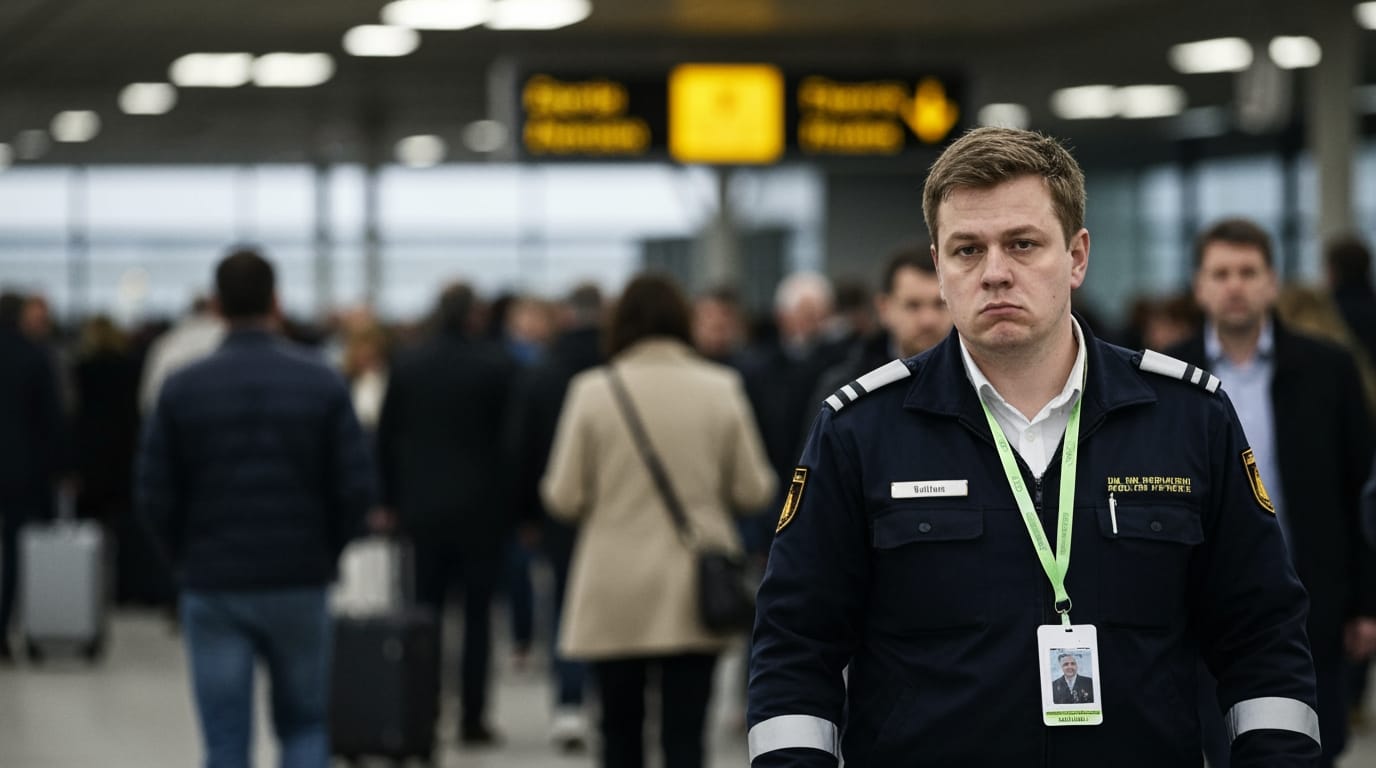
BERLIN – Berlin Brandenburg Airport (BER) descended into an unprecedented state of inactivity Wednesday as a comprehensive strike by service workers brought all scheduled passenger flights to a complete halt, stranding an estimated 57,000 travelers. The 24-hour walkout, initiated by the powerful Verdi trade union, underscores escalating tensions in an ongoing pay dispute that has paralyzed the capital's primary air hub and sent ripple effects across European air travel networks.
The full-day industrial action, effectively a 19-hour shutdown from 4:00 AM to 10:59 PM, resulted in the cancellation of 445 scheduled departures and arrivals, transforming BER's typically bustling terminals into eerily quiet spaces. Major European carriers, including Lufthansa, Air France, KLM, EasyJet, Ryanair, British Airways, Austrian Airlines, and Eurowings, were forced to axe numerous routes to and from Berlin, with some airlines suspending nearly their entire operations at the airport for the day. The severe disruption highlights the critical role of ground staff and essential services in maintaining modern air travel, with the airport operator advising passengers to avoid coming to the airport as no regular flights would be possible.
Airspace Shut Down: The Immediate Impact at BER
Wednesday morning saw Berlin Brandenburg Airport, which typically serves around 25 million passengers annually, effectively sealed off from air traffic. The coordinated strike by approximately 2,000 employees across vital operational areas, including ground handling, security, the airport fire service, traffic control, and terminal management, rendered normal operations impossible. Airport notices and media coverage confirmed that many scheduled flights were proactively removed from timetables to prevent aircraft and crew from being stranded. The drastic measure resulted in a near-total operational halt, with reports indicating 204 cancellations against only five delays, a stark indicator of the strike's effectiveness.
Photographs circulating from BER depicted deserted check-in counters and empty departure halls, a stark contrast to the usual pre-dawn activity of one of Germany's significant transportation hubs. The absence of critical personnel meant essential functions, from baggage handling to aircraft marshaling and safety checks, could not be performed, thereby grounding all passenger aircraft. For the tens of thousands of travelers affected, the reality was abrupt travel plan disruptions, ranging from canceled business meetings to missed family events and vacation departures.
The Grievances: A Standoff Over Wages
At the heart of the widespread disruption lies an entrenched labor dispute between the Verdi union and public sector employers. The union, representing a broad spectrum of public sector and transport industry workers, initiated the strike to press for higher wages and improved working conditions for its members at the airport. This latest industrial action follows what Verdi described as an unacceptable offer from the employer side during the second round of negotiations last week. The proposed terms reportedly included wage increases of only about 1 percent per year, with a contract running until the end of 2028, terms the union's negotiating committee deemed insufficient in the face of rising inflation and cost of living.
The airport's CEO publicly labeled the strike "disproportionate," indicating the deep chasm in expectations between management and the workforce. Verdi, however, views such "warning strikes" as a necessary tool to exert pressure on employers and underscore the seriousness of their demands ahead of future negotiation rounds. Another critical round of negotiations between the union and employers is slated for March 25, with the outcome poised to determine whether further industrial action can be averted.
Ripple Effects Across Germany and Europe
The grounding of flights at BER is not an isolated incident but rather the latest manifestation of a recurring pattern of industrial unrest across German airports in recent years. Similar strikes have repeatedly impacted major hubs like Frankfurt and Munich, highlighting systemic challenges within the German aviation sector's labor relations. These intermittent disruptions place significant strain on Germany's economic landscape, impacting not only the aviation industry but also related sectors such as tourism, logistics, and international business.
The extensive cancellations at a major European capital's airport also send ripples across the continent's interconnected air travel network. Airlines are forced to re-route aircraft, reschedule crews, and absorb substantial financial losses, while other European airports may experience increased traffic as passengers seek alternative travel options. The ongoing labor disputes add a layer of instability to an industry still navigating post-pandemic recovery and facing various geopolitical and economic pressures.
The Human Toll: Travelers Stranded and Plans Derailed
For the 57,000 passengers directly impacted by the BER strike, Wednesday brought considerable frustration and logistical nightmares. With all regular passenger flights suspended, the airport administration explicitly advised travelers not to proceed to the airport, emphasizing that no assistance would be available on site given the comprehensive nature of the walkout. This left many scrambling to find alternative transportation, often at short notice and considerable expense, including rebooking flights from other distant German airports, securing train tickets, or adjusting ground travel plans.
The strike's timing likely coincided with the end of business trips, the start of holidays, or critical personal appointments, turning routine journeys into stressful ordeals. Families with children, elderly travelers, and individuals with connecting flights faced particularly daunting challenges in rearranging their itineraries. The human element of such industrial action often translates into significant personal cost and inconvenience, underscoring the broader societal impact of unresolved labor disputes in essential public services.
A Recurring Challenge for German Aviation
Wednesday's complete shutdown of Berlin Brandenburg Airport serves as a potent reminder of the persistent labor challenges facing Germany's critical infrastructure. While the immediate focus remains on the upcoming negotiation round on March 25, the broader context points to a sustained period of industrial contention in the nation's aviation sector. The Verdi union's willingness to implement such sweeping measures signals their resolve in securing what they deem fair compensation and working conditions for their members.
The disruption at BER highlights the delicate balance between workers' rights to strike and the immense public and economic costs associated with such actions. As Germany grapples with inflation and economic pressures, the aviation industry, a key enabler of global commerce and tourism, finds itself at the forefront of these complex negotiations. The resolution of this particular dispute, and others like it, will be crucial in restoring stability and predictability to air travel in Germany and across Europe.


