Berlin Mayor Kai Wegner Steps Down, Will Not Seek Re-election Amid "Tennis-Gate" Controversy

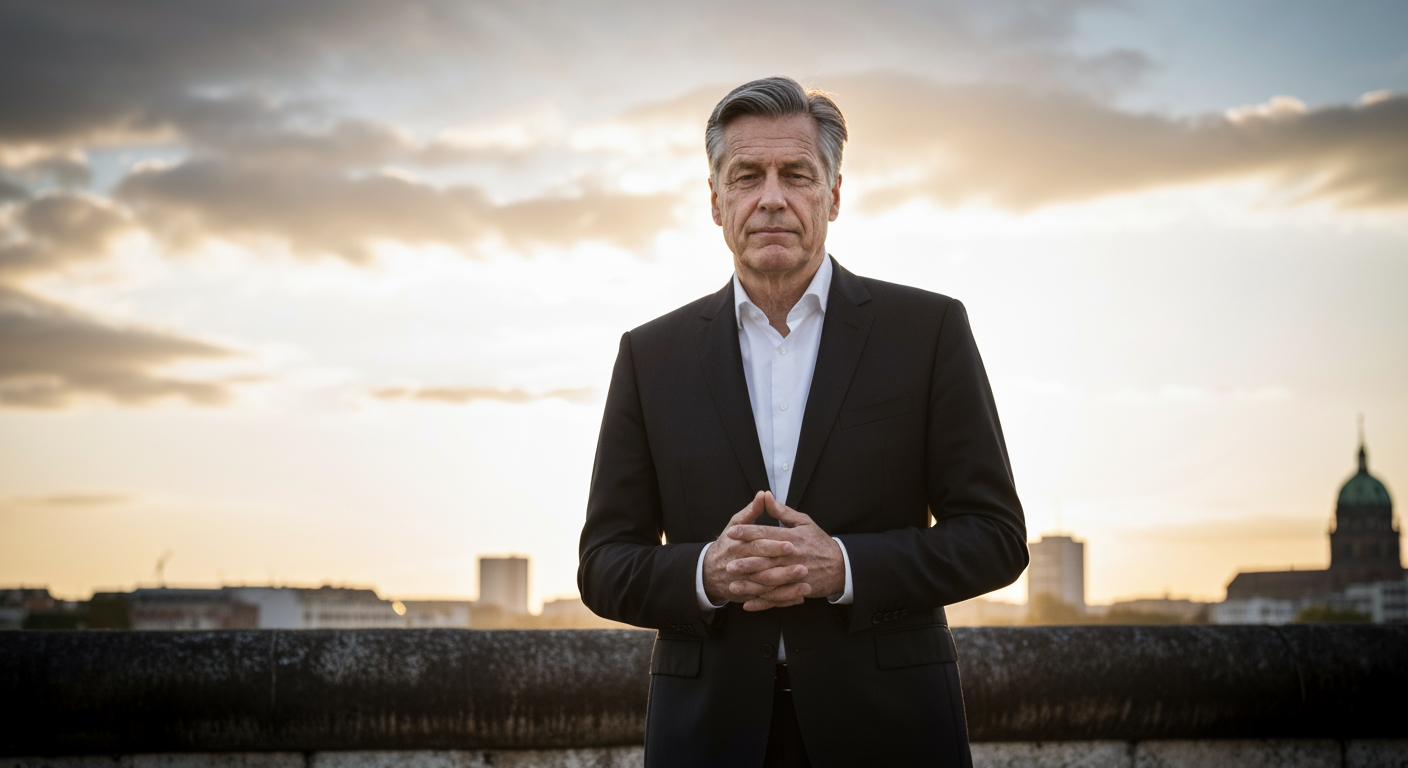
BERLIN – Berlin's Governing Mayor, Kai Wegner, announced Friday that he will not seek re-election in the upcoming September 20 polls, a decision that sends significant ripples through the German capital's political landscape. The surprise declaration comes just over two months before voters are set to cast their ballots and follows months of intense public and political pressure stemming from his handling of a major power blackout earlier this year, an incident dubbed "tennis-gate" by local media.
Wegner, a Christian Democrat (CDU) who ascended to the mayoralty in April 2023, confirmed his withdrawal from the race, citing a pervasive erosion of public trust that has overshadowed his administration's work and prevented his message from reaching the electorate. He acknowledged making "errors in communication" regarding the January crisis, which saw approximately 45,000 homes and over 2,000 businesses plunged into darkness for nearly a week during a harsh winter spell. His departure marks a dramatic turning point for Berlin, signaling an uncertain future for the city's current governing coalition and potentially ushering in a new era of political leadership.
The Genesis of "Tennis-Gate": A City in Darkness
The controversy that ultimately led to Wegner's decision originated from a widespread power outage in early January 2026. The blackout, reportedly triggered by an arson attack, crippled districts in southwest Berlin, leaving tens of thousands without electricity and heating for an extended period. As residents grappled with the severe cold and disruptions, public scrutiny intensified on the city's response, particularly that of its top leader. It soon emerged that Mayor Wegner had chosen to play tennis during the initial hours of the crisis, an action that drew immediate and widespread condemnation.
Initially, Wegner stated that he had been "on the phone all day" coordinating the situation from his home office. However, investigations by local media outlets, including RBB and Tagesspiegel, revealed a different account: Wegner had left his residence to play tennis, only later contacting federal government officials and the relevant district mayor after his match. This discrepancy fueled public anger and accusations of dishonesty. Wegner later admitted his choice of words had been "sub-par" and that he should have been more transparent about his actions, acknowledging that he had sought a "short break" to "clear his head" through sport. Despite his subsequent apologies for "communication errors," the narrative of a mayor prioritizing personal leisure over public crisis management became deeply entrenched.
Political Fallout and Declining Fortunes
The "tennis-gate" scandal quickly metastasized into a full-blown political crisis, significantly eroding Wegner's credibility and the standing of his party. Opposition figures and even members within his own Christian Democratic Union (CDU) began to question his leadership and suitability for office. The far-right Alternative für Deutschland (AfD) was quick to criticize Wegner, with a regional parliamentary group leader accusing him of not taking the emergency seriously enough and "lying to the people of Berlin's faces". Even Steffen Krach, the mayoral candidate from the Social Democrats (SPD) – junior partners in Wegner's ruling coalition – deemed the mayor's actions "unacceptable" and "unworthy" of his office.
The public backlash was swift and severe, manifesting in a sharp decline in the CDU's poll numbers. Recent surveys released on July 1, just days before Wegner's announcement, showed the CDU plummeting to fourth place with a mere 17% support, trailing behind Die Linke (20%), the Greens, and the far-right AfD. The Social Democratic Party (SPD) also registered a low 13%. This stark reversal from the CDU's leading position in the 2023 Berlin state election, where Wegner had guided them to significant gains, underscored the depth of the political damage. The polls indicated that the current coalition between the CDU and SPD was unlikely to secure anything near a majority in the upcoming September election, placing immense pressure on Wegner and his party. An open letter from some CDU members appealed to Wegner to withdraw his candidacy, further highlighting the internal strife.
Wegner's Rationale and the Search for Authenticity
In his announcement on Friday, Mayor Wegner articulated that his decision was driven by the realization that the public debate surrounding his actions had completely overshadowed his ability to govern effectively. "I can no longer get my message out because another debate is overshadowing everything else," Wegner stated. He emphasized that, while he admitted to communication errors, he maintained that his management of the emergency itself had been competent and efficient, claiming the crisis was resolved faster than planned.
Wegner also spoke of his desire to remain "authentic" throughout his political career. He expressed deep frustration that the focus had shifted away from policy and governance towards the controversy surrounding his personal conduct during the blackout. By stepping down, he stated his intention to ensure "that the CDU is not further weakened over the coming days and weeks through debates about its personnel". This move appears to be a strategic attempt to mitigate further electoral damage to his party ahead of the critical September vote. Wegner, who was born in 1972 and served in the Bundestag from 2005 to 2021 before becoming Berlin CDU chairman in 2019, had only been in office since April 2023, making his tenure as Governing Mayor relatively short. His rise had been significant, as he became Berlin's first conservative mayor in 22 years, following the CDU's strong performance in the 2023 state election.
A New Chapter for Berlin's Political Landscape
Wegner's withdrawal from the mayoral race fundamentally reshapes the political landscape in Berlin just weeks before the election. The decision opens the field for new contenders and intensifies the contest for leadership in a city already grappling with complex challenges. The current coalition's precarious position, as indicated by recent polls, suggests a high likelihood of significant shifts in power dynamics after September 20.
Attention is now turning to potential successors within the CDU. Stefan Evers, Berlin's finance senator, who also took on the role of culture senator in April, has quickly emerged as a prominent figure and is considered a favorite to potentially succeed Wegner. His elevation would signal a continuity of the party's platform but with a fresh face at the helm, aiming to distance the party from the "tennis-gate" scandal. However, the overall weakness of the CDU in recent polling means that even a new candidate faces an uphill battle to regain the trust and support needed to lead a future coalition.
The upcoming election is now poised to be a pivotal moment for Berlin. With the incumbent mayor out of the race and the leading parties showing fragmented support, the outcome remains highly unpredictable. Voters will be tasked with navigating a complex electoral environment, weighing past performance against fresh promises, and ultimately determining the city's direction for the years to come. The "tennis-gate" incident, while specific to Kai Wegner's tenure, has underscored the heightened expectations for transparency and accountability placed upon public officials, particularly in times of crisis.
Related Articles


Black Sea Grain Trade Under Siege: Ukrainian Attacks Cripple Russian Exports, Spark Global Food Security Fears
Novorossiysk, Russia — A dramatic escalation of Ukrainian attacks on Russian Black Sea ports and shipping infrastructure has severely disrupted grain exports from the region, triggering fresh anxieties over global food...


Yemen Plunges Toward Full-Scale War Amid Escalating Houthi Attacks
Yemen stands at a perilous crossroads, teetering on the brink of a full-scale war after a series of deadly Houthi missile and drone strikes shattered a fragile four-year truce. Recent assaults on government military...


Nigeria's Paradox: Jet Fuel Abundance Abroad While Domestic Airlines Grapple with Sky-High Costs
Lagos, Nigeria – In a striking paradox echoing through Nigeria's economic landscape, the nation has emerged as a significant exporter of jet fuel, supplying markets as far as Europe and becoming a pivotal player in...