Berlin Mayor Under Fire Following City's Longest Post-War Blackout
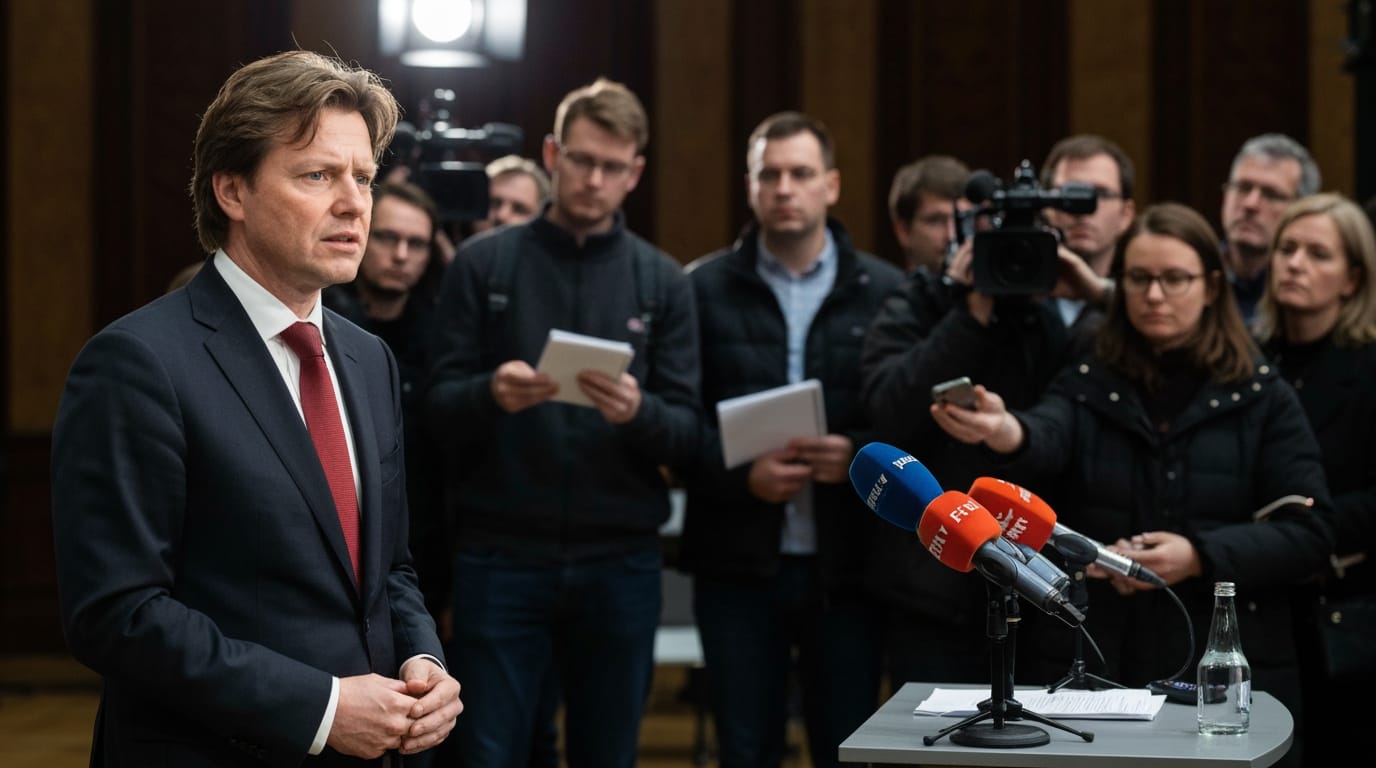
Berlin, Germany – The German capital is grappling with the aftermath of its longest post-World War II power outage, an event triggered by an arson attack that plunged tens of thousands into darkness and freezing temperatures for five days. Amid the widespread disruption and calls for improved infrastructure security, Berlin's Governing Mayor, Kai Wegner, has found himself at the center of a political storm, facing accusations of leadership failure and misleading the public regarding his actions during the initial critical hours of the crisis.
Sabotage Plunges Berlin into Darkness
The extensive power outage began on Saturday, January 3, 2026, when an arson attack targeted high-voltage cables at a power station in the southwestern Berlin district of Steglitz-Zehlendorf, near the Lichterfelde heat and power station. The deliberate act, which damaged a cable bridge over the Teltow Canal, immediately cut electricity and heating to approximately 45,000 households and 2,200 businesses, affecting an estimated 100,000 people across four districts. The incident occurred amidst freezing weather and snowfall, exacerbating the hardship for residents suddenly without power, heat, and often, mobile communication. Hospitals in the affected areas were forced to switch to backup generators, while schools, daycare centers, and businesses were compelled to close.
Responsibility for the attack was swiftly claimed by the left-wing extremist group "Vulkangruppe" (Volcano Group) in an online statement. The group asserted that the act was a protest against "greed for energy" and the influence of tech companies, framing it as a strike against the fossil fuel industry. German federal prosecutors have launched a terrorism investigation into the incident, suspecting offenses including membership in a terrorist organization, sabotage, arson, and disruption of public services. This is not the first time the Vulkangruppe has been implicated in such actions; they previously claimed responsibility for a similar arson attack in March 2024 that disrupted operations at a Tesla factory outside Berlin.
Mayor Wegner's Response Under Scrutiny
As the city grappled with the unfolding crisis, Mayor Kai Wegner publicly condemned the incident as a "terrorist act," emphasizing that such actions endangered lives, particularly those of hospital patients and the elderly. He called for increased protection of critical infrastructure and federal assistance in apprehending the perpetrators. However, his own conduct during the initial phase of the blackout rapidly became a significant point of contention.
Reports emerged, initially from German public broadcaster RBB, that Mayor Wegner had been playing tennis on the afternoon of January 3, the very day the power went out. This revelation directly contradicted his earlier statements at a press conference on January 4, where he implied he had spent the entire day coordinating the crisis from his home and office, remaining constantly on the phone. When confronted, Wegner confirmed playing tennis between 1 PM and 2 PM, stating he did so "to clear his head," while insisting he kept his mobile phone on and resumed work immediately afterward. This apparent discrepancy in his accounts ignited a firestorm of criticism.
Political Fallout and Calls for Resignation
The revelation that Mayor Wegner engaged in a recreational activity during the blackout, coupled with the perceived contradiction in his initial public statements, drew sharp condemnation from opposition parties. Critics accused him of misleading the public and failing to exhibit adequate leadership during a severe emergency that left thousands of citizens vulnerable to freezing temperatures and significant disruption.
Maximilian Schirmer, a politician from the Left Party, was quoted stating, "Anyone who prefers to play tennis rather than be with people in their greatest hour of need should consider whether this position is right for them." Calls for Wegner's resignation quickly followed, with opposition factions arguing that his actions demonstrated a profound disconnect from the hardships faced by affected Berliners. Despite explanations from the state government, public anger intensified, adding another layer of complexity to an already challenging situation for the city's leadership. The incident highlights the intense scrutiny public officials face during crises, where both action and perceived inaction can carry significant political weight.
Lessons Learned and Future Preparedness
The five-day blackout, which was finally fully restored by January 7, 2026, a day and a half earlier than initial forecasts, has undeniably exposed vulnerabilities within Berlin's critical infrastructure. City officials, including Berlin's Senator for Economic Affairs Franziska Giffey, acknowledged the severity of the blow to the city's power grid and its implications for future security. While 99% of Berlin's 35,000-kilometer power grid is already underground, the attack demonstrates that even extensive protective measures can be circumvented by determined saboteurs.
The independent critical infrastructure group AG Kritis has long warned that electricity networks must be designed to prevent widespread disruption from a single point of failure, criticizing politicians for not adequately pressuring utilities to implement robust protection measures. The economic consequences are projected to be in the millions of euros, with businesses anticipating significant losses.
In the immediate aftermath, authorities established emergency shelters, and aid points were set up by both government agencies and, notably, by Ukrainian refugees experienced in surviving outages, offering warmth, hot drinks, and charging facilities. The German army (Bundeswehr) was deployed to assist with distributing diesel for emergency generators and providing warm food. The incident has ignited a broader debate across Germany about the resilience of its critical infrastructure against sabotage and the growing threat posed by left-wing extremist groups, underscoring the urgent need for a comprehensive and consistent security response.
Conclusion
The recent blackout in Berlin stands as a stark reminder of the fragility of modern urban infrastructure and the profound impact of targeted attacks. While the power has been restored, the incident has left a lingering sense of vulnerability and ignited a contentious political debate surrounding leadership during crises. Mayor Wegner's actions and subsequent explanations have drawn a sharp line of demarcation between his office and a segment of the public and political opposition, raising questions about accountability and trust. The focus now shifts to how Berlin and the wider federal government will address the exposed security gaps, fortify critical systems, and navigate the ongoing political fallout, ensuring that the lessons of this extensive outage lead to tangible improvements in resilience and response. The call for better protection of vital services is louder than ever, as the city strives to prevent a recurrence of such widespread disruption.


