Berlin Pride Attack Spurs Urgent Calls for Security Clampdown Amid Rising Extremism
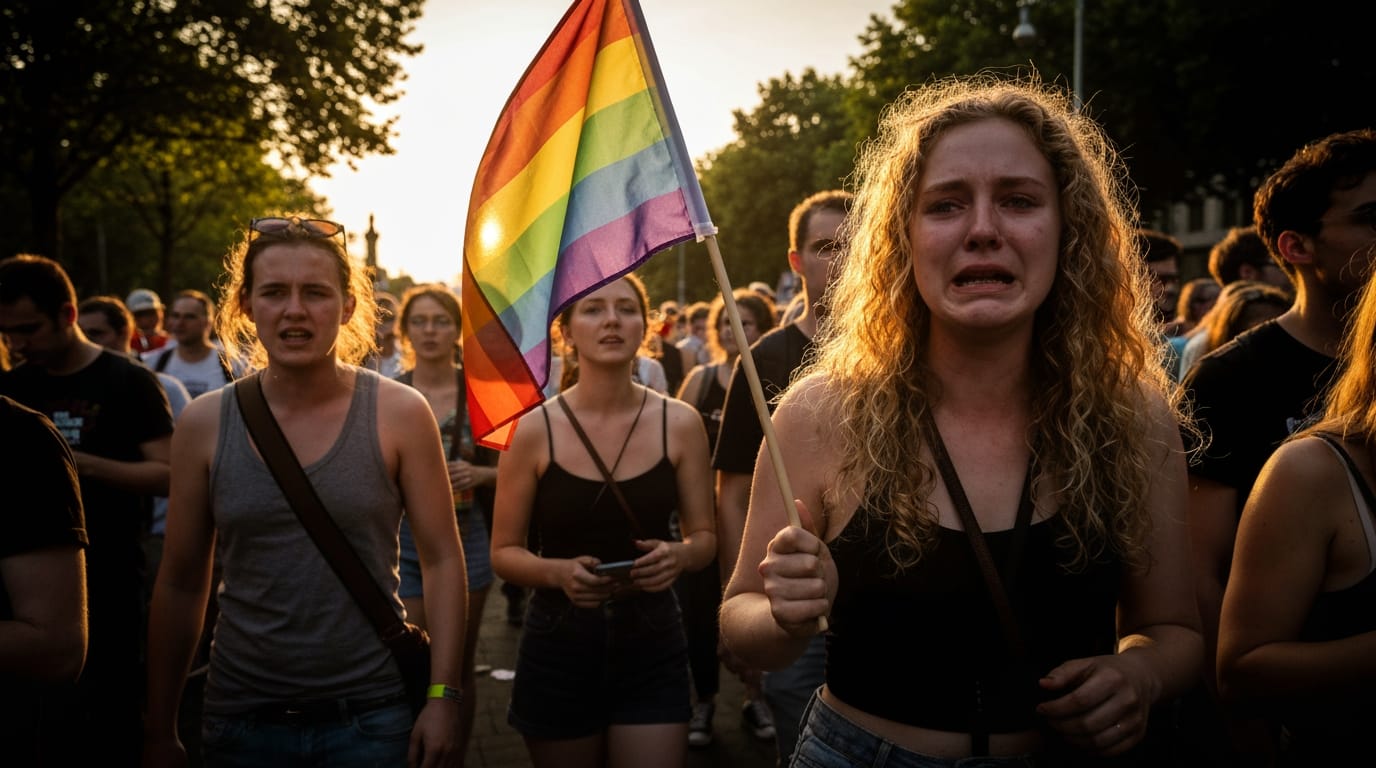
BERLIN – A horrific vehicle and knife attack near Berlin’s annual Pride celebration has ignited a fervent national debate over security measures and the growing threat of extremism in Germany. The tragic incident, which left one woman dead and 29 others injured, has prompted government officials and political factions to demand a more rigorous response, particularly against suspected Islamist and far-right elements. The assault underscores a troubling escalation of violence targeting the LGBTQ+ community, forcing Germany to confront the delicate balance between safeguarding civil liberties and enhancing national security.
The attack occurred on the evening of July 25, 2026, when a van careened into a crowd of pedestrians in Tiergarten, a central Berlin park, during the city's Christopher Street Day (CSD) festivities. The driver, later identified as Abdul Ballout, 21, then reportedly exited the vehicle and began attacking individuals with a machete. The area, near the iconic Brandenburg Gate, was still bustling with participants of one of Europe's largest LGBTQ+ celebrations, though the main parade had concluded and a closing party was underway a short distance away. Emergency services rushed to the scene, transporting the injured, several critically, to hospitals. The CSD event, a vibrant symbol of Berlin's diversity and tolerance, was abruptly cut short as authorities initiated a massive manhunt for the perpetrator.
Tragedy Strikes Near Celebrations
The attack unfolded around 10:00 PM local time when Ballout, a German citizen of Lebanese descent, drove a rented minivan into the pedestrian path, striking numerous people before colliding with a tree. Initial reports from witnesses described a chaotic scene, with some accounts suggesting a subsequent knife rampage. One woman succumbed to her injuries at the scene, while the wounded included individuals with life-threatening conditions. The following day, authorities confirmed Ballout was fatally shot by police in the Spandau district after he charged at officers with a bladed weapon during an attempt to apprehend him.
Investigators swiftly labeled the incident an act of Islamic extremist terrorism. Interior Minister Alexander Dobrindt stated that all evidence pointed towards an Islamist terror attack, a sentiment echoed by prosecutors who revealed Ballout had a history of criminal activity and had previously attempted to join the militant Islamic State group. Disturbingly, Ballout had reportedly been convicted just two months prior for planning another attack but had received a suspended sentence instead of imprisonment. This revelation has intensified scrutiny of Germany's security protocols and judicial system.
Political Fallout and Calls for a Clampdown
The immediate aftermath saw a wave of condemnation from Germany's political leadership. Chancellor Friedrich Merz denounced the incident as "a heinous act" and "an attack on our society," pledging to ensure those responsible were punished. Berlin's Governing Mayor, Kai Wegner, also described it as an "attack on our free and cosmopolitan society," emphasizing the city's commitment to freedom. Flags across the German Bundestag were lowered to half-mast in mourning, reflecting the national shock and sorrow.
However, the tragedy quickly became a flashpoint for political debate, with calls for a significant clampdown on extremism gaining traction. The far-right Alternative for Germany (AfD) party seized on the attack, swiftly criticizing the government's "complete failure of security policies" and reiterating its stance that "Islamism is and remains the greatest security threat to our country." With state elections approaching, the AfD has historically leveraged security concerns to bolster its political standing, aiming to capitalize on public anxieties following such events. These calls for a clampdown often translate into demands for increased surveillance, stricter immigration policies, and enhanced counter-terrorism measures, reigniting a long-standing debate within German politics about balancing national security with privacy and civil liberties.
A Community Under Siege: Rising Anti-LGBTQ+ Violence
The Berlin Pride attack is not an isolated incident but rather the latest and most deadly in a disturbing trend of rising anti-LGBTQ+ violence in Germany. Statistics reveal an alarming surge in hate crimes targeting the queer community across the nation. In 2022, over 1,000 homophobic hate crimes were recorded, marking a 15% increase compared to the previous year. The situation worsened in 2023, with offenses against sexual orientation increasing by a staggering 50% from 2022, reaching 1,499 reported cases. Overall, Germany officially recorded 2,084 anti-queer offenses in 2025, a tenfold increase compared to 2010.
Experts and LGBTQ+ advocates attribute this rise partly to the growing influence of far-right extremism and increasingly hostile public rhetoric. Numerous Christopher Street Day events across Germany have been disrupted or attacked, often by far-right groups, leading to increased security concerns for attendees. Even in Berlin, a city renowned for its progressive values and vibrant LGBTQ+ scene, incidents of homophobia are on the rise. Many victims of hate crimes remain silent, with an estimated 87% not reporting attacks due to shame or distrust, making the actual figures likely much higher. This hostile environment has led to a marked decline in public acceptance of diverse sexual orientations and gender identities in recent years, as evidenced by various studies.
Navigating a Fractured Landscape: Civil Liberties vs. Security
In the wake of the attack, the LGBTQ+ community has demonstrated remarkable resilience, with hundreds gathering at the Brandenburg Gate for vigils, waving rainbow flags, and vowing defiance. Community leaders and individuals alike expressed resolve to "not allow ourselves to be intimidated" and to make their voices "even louder." However, there is also a palpable concern within the community that the tragedy could be exploited by political forces to fuel xenophobia or anti-immigrant sentiment. Some fear that calls for a clampdown might disproportionately affect minority communities and undermine the very values of openness and diversity that Berlin Pride celebrates.
Civil society organizations have long advocated for robust legislative protections, such as amending Article 3 of the Basic Law to explicitly protect LGBTQIA+ individuals from discrimination and reforming the General Equal Treatment Act. These calls for stronger legal frameworks stand in stark contrast to recent political developments, including the early discontinuation of the "Living Queer" action plan and proposals from the political right seeking to curtail queer rights. The balancing act between implementing effective security measures against extremism and safeguarding the rights and freedoms of all citizens, particularly vulnerable communities, remains a significant challenge for German society and its leaders.
A Defining Moment for Germany
The deadly Berlin Pride attack represents a defining moment for Germany, forcing the nation to confront the complex interplay of extremism, security, and the protection of its diverse communities. The incident not only highlights the persistent threat of Islamist terrorism but also underscores the alarming rise in anti-LGBTQ+ hate crimes, often fueled by far-right ideologies. As political leaders advocate for enhanced security measures, the LGBTQ+ community and civil society groups call for careful consideration to ensure that responses do not inadvertently target marginalized groups or erode hard-won civil liberties. The path forward will require a nuanced approach that rigorously combats all forms of extremism while simultaneously reinforcing Germany's commitment to inclusivity, tolerance, and the fundamental rights of every individual. The legacy of the 2026 Berlin Pride attack will ultimately be shaped by how Germany navigates these profound challenges, striving to ensure safety without sacrificing the open and free society it purports to defend.


