Berlin Reels After Deadly Attack on Christopher Street Day Celebrations
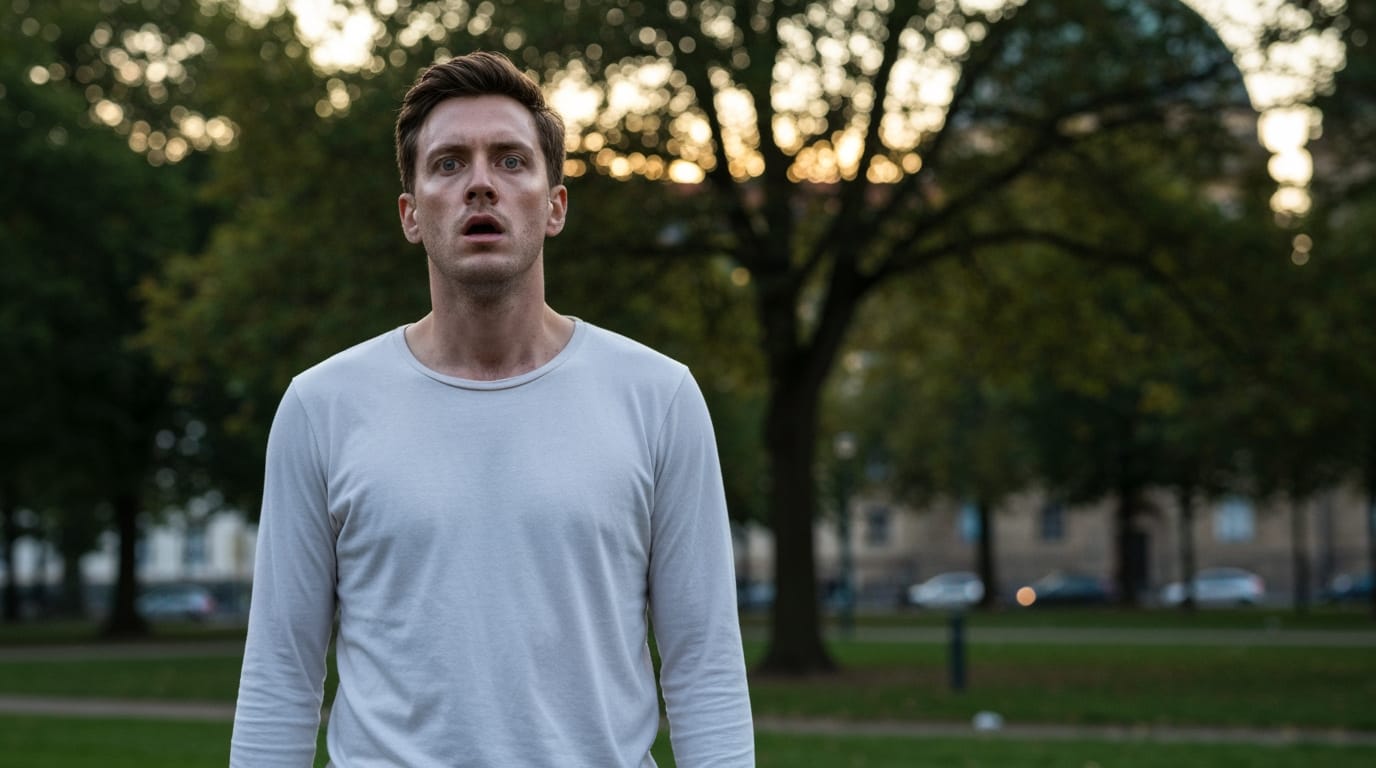
Berlin, Germany – A festive celebration of LGBTQ+ rights and culture in Berlin tragically turned into a scene of terror late Saturday, July 25, 2026, when a vehicle plowed into a crowd gathered for Christopher Street Day (CSD) festivities, killing one person and injuring at least 16 others. The attacker, later identified as 21-year-old Abdul Ballout, known to authorities for alleged ties to Islamist extremism, was subsequently killed during a police operation the following day. The incident has sent shockwaves through Germany, prompting widespread condemnation and raising renewed concerns about security at public events.
The attack unfolded shortly before 10:00 p.m. local time as the CSD's closing party was winding down in Berlin's sprawling Tiergarten Park, near the iconic Brandenburg Gate. Hundreds of thousands had participated in the day's events, celebrating under the motto "United in Love - Against Hate, War and Discrimination," after two years of pandemic restrictions had impacted the annual parade.
A Night of Celebration Ends in Tragedy
The joyous atmosphere that had permeated Berlin throughout Saturday rapidly dissolved into chaos. At approximately 10:00 p.m., a white van reportedly drove from the area of Linienstraße into the Tiergarten, accelerating into crowds of revelers near the Brandenburg Gate. Witnesses described scenes of terror as the vehicle struck multiple individuals before crashing into a tree.
Initial reports indicated one fatality and numerous injuries, with some victims initially listed in life-threatening condition. Beyond the vehicle's direct impact, police later confirmed that the attacker allegedly continued the assault with a bladed weapon, suspected to be a machete, further exacerbating the horror and confusion. The Berlin Fire Department reported that at least 16 people were injured, while other sources cited figures as high as 29. Emergency services swiftly arrived at the scene, establishing a helicopter landing pad near the Reichstag parliament building to transport the severely injured to hospitals. The area was immediately placed under lockdown as police launched an intensive search for the perpetrator.
The Human Cost and Community Resolve
The single fatality was a woman, whose identity has not yet been publicly released. The injured received medical attention, with some requiring outpatient treatment for cuts and bruises, while others sustained more serious wounds. At least 30 witnesses required psychological care following the traumatic event. The attack abruptly ended the CSD celebrations, with organizers canceling all remaining events, including a planned breakfast market and a post-parade cleanup. Participants were urged to leave the area immediately as police secured the scene and commenced their investigation.
The attack cast a dark shadow over what is traditionally one of Europe's largest and most vibrant LGBTQ+ Pride events. The CSD, held annually since 1979 in memory of the 1969 Stonewall Riots, serves as both a celebration and a political demonstration for equal rights and protection against discrimination for the lesbian, gay, bisexual, transgender, and queer community. Its cancellation underscored the profound impact of the violence on a community that often faces hostility and discrimination. Alfonso Pantisano, Berlin's LGBTQ+ affairs commissioner, articulated the prevailing sentiment, noting the fear, grief, and anger within the community but also emphasizing solidarity.
The Suspect and the Rapid Investigation
Within hours of the attack, German authorities identified a primary suspect as Abdul Ballout, also referred to as Abdul B., a 21-year-old with Lebanese roots but born in Germany. Interior Minister Alexander Dobrindt quickly linked the incident to Islamist terrorism, stating that all evidence pointed in that direction. Ballout was known to security agencies as a member of Berlin's "Islamist scene" and had a criminal record, including a conviction in May related to "preparing a serious act of subversive violence" after allegedly attempting to travel to Syria to join the Islamic State terrorist organization.
A massive manhunt was launched across Berlin and beyond, involving police scouring train stations, airports, and border crossings. Police warnings described Ballout as potentially armed and dangerous, wearing a black hoodie and white pants. However, the manhunt concluded swiftly on Sunday, July 26, 2026. During a police operation at an allotment garden facility in the Spandau district, Ballout reportedly ran towards officers while armed with a bladed weapon. Officers opened fire, fatally wounding him. Despite immediate resuscitation efforts by firefighters, he died at the scene.
Echoes of Extremism and a Unified Response
German Chancellor Friedrich Merz condemned the incident as "an attack on our society" and a "heinous act," vowing a full investigation and punishment for those responsible. Berlin's Governing Mayor, Kai Wegner, similarly called it an "attack on our free and cosmopolitan society" and an assault on Berlin's freedom. These condemnations were echoed by international leaders, including French President Emmanuel Macron and European Commission President Ursula von der Leyen, who emphasized unity, freedom, and resolve in the face of hatred.
The attack reignited debates on extremism and security in Germany, a country that has experienced several vehicle and knife attacks in recent years, including a deadly Christmas market attack in 2016 and another in Magdeburg in 2024. While the CSD parade itself was peaceful, the subsequent violence underscored the persistent threats faced by vulnerable communities. The LGBTQ+ community, in particular, continues to be a target of politically motivated crimes, with German authorities recording over 2,000 such offenses in 2025, including hundreds of violent crimes.
In the aftermath, thousands gathered for a community vigil at Pariser Platz, near the Brandenburg Gate, demonstrating grief, anger, and solidarity. Despite the rain, the event reached maximum capacity, with attendees holding a moment of silence and waving pride flags. The sentiment, captured on one sign, shifted "From grief, to anger to resistance!" The rapid identification and neutralization of the suspect brought a swift end to the immediate threat, but the attack serves as a stark reminder of the ongoing struggle to protect open societies and their diverse communities from acts of extremist violence.


