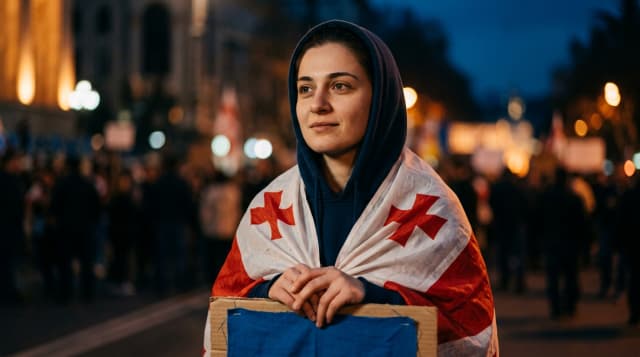
Berlinale 2026: A Cinematic Kaleidoscope Where Geopolitics Meets Genre Thrills
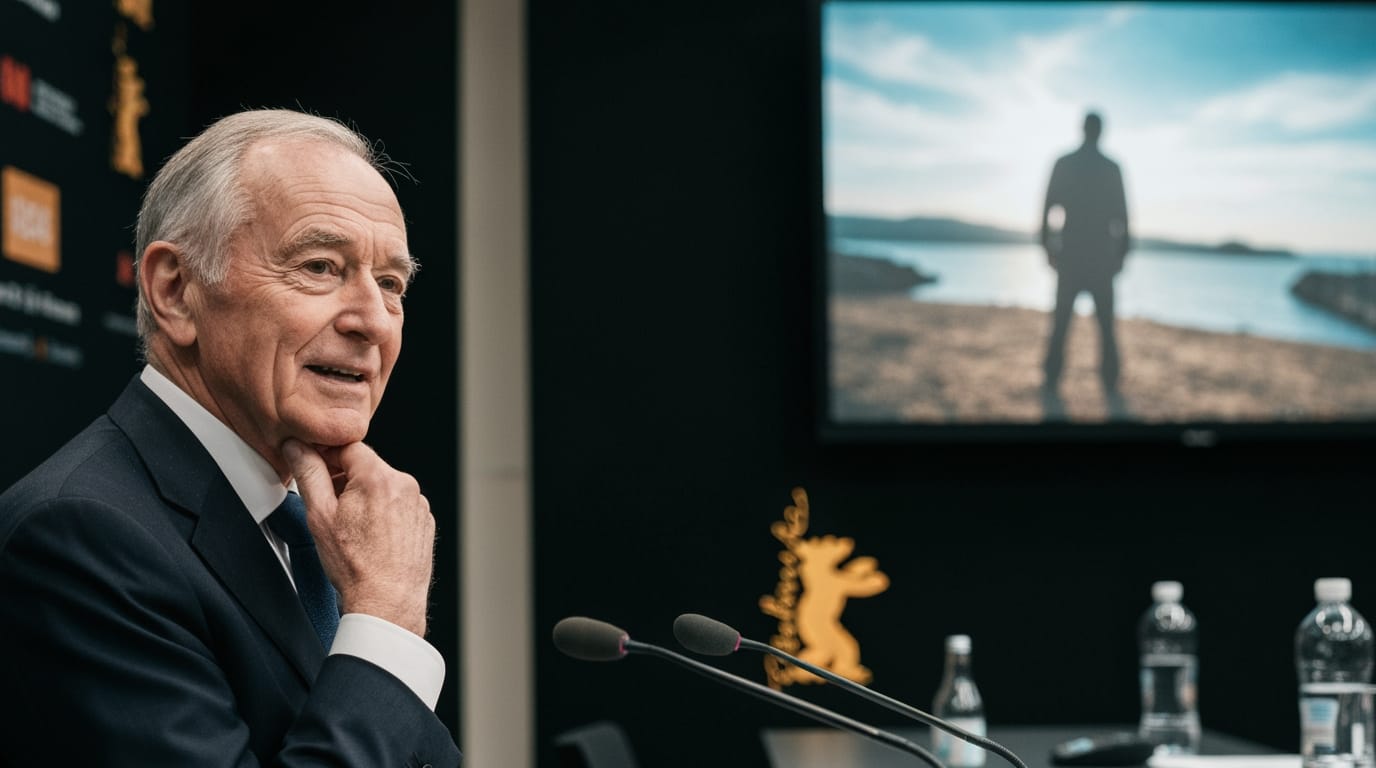
Berlin, Germany – The 76th Berlin International Film Festival, unfolding from February 12 to 22, 2026, has once again positioned itself as a crucial barometer for global cinema, artfully balancing urgent geopolitical narratives with compelling escapist entertainment. Under the artistic direction of Tricia Tuttle, and with German film legend Wim Wenders presiding over the main competition jury, the Berlinale has cemented its reputation as a festival that both confronts the pressing realities of our world and offers profound cinematic sanctuary. From deeply political dramas exploring human conflict to fantastical tales providing a thrilling respite, the festival’s diverse program reflects a world grappling with complex issues, seeking both understanding and momentary release.
The Unflinching Gaze: Cinema as a Political Mirror
At its core, the 2026 Berlinale has reaffirmed its commitment to films that engage directly with the political landscape. The festival opened with the poignant German-Afghan drama "No Good Men" by Shahrbanoo Sadat, a film that bravely delves into the experiences of Afghan women and the harrowing period leading up to the Taliban's return. This choice set a clear tone, highlighting cinema's power to illuminate human rights struggles and shed light on underrepresented voices. Sadat's work, which portrays a camwerawoman's disillusionment with men in Afghanistan and a complicated encounter with a reporter, emphasizes the profound impact of political upheaval on individual lives.
Beyond the opening night, the Competition section, often described as "politically charged", featured İlker Çatak's "Yellow Letters," a drama exploring artists battling censorship and state pressure, directly addressing the fragile space between creative freedom and survival. In the Panorama section, a hub for bold storytelling and urgent social themes, several documentaries offered stark looks at global conflicts. Patric Chiha's "A Russian Winter" provided an intimate portrait of Russian exiles grappling with displacement after refusing to comply with the regime, while "Traces," directed by Alisa Kovalenko and Marysia Nikitiuk, gave voice to Ukrainian women survivors recounting experiences of torture and sexual abuse. Elisé Sawasawa's "Enough Is Enough" confronted the protracted 30-year conflict in the Democratic Republic of the Congo, further underscoring the festival's dedication to presenting films that serve as powerful socio-political commentaries. Even a film like Teodora Ana Mihai's "Heysel 85," depicting the tragic stadium disaster from multiple perspectives, transforms a historical event into a layered exploration of collective trauma and accountability. Festival Director Tricia Tuttle noted a prevailing thematic thread of "how private lives are shaped by larger political and social forces" across the selection, indicating a deep engagement with contemporary societal pressures.
The Allure of Escape: Fantasies, Thrills, and Inner Worlds
Counterbalancing the festival's serious political engagements were films offering various forms of escapism – from the fantastical to the intensely personal. These cinematic journeys provided audiences with thrilling diversions, intellectual puzzles, or profound emotional immersion, proving that escapism is not merely avoidance but another facet of human experience. Ulrike Ottinger's "The Blood Countess," starring Isabelle Huppert as a vampire incarnation of Elizabeth Báthory navigating modern Vienna, emerged as a prime example of genre-bending escapist thrill, weaving historical legend with contemporary gothic fantasy.
The Panorama section also contributed to this lighter, yet still thought-provoking, fare. Films such as "If I Were Alive…" delved into memory, imagination, and personal history, offering a quiet, introspective escape. Japanese anime made a notable appearance, with films like Yusuke Hirota's "Chimney Town: Frozen In Time" and Yoshitoshi Shinomiya's "A New Dawn" providing rich visual storytelling and imaginative worlds, catering to audiences seeking creative and fantastical journeys. Psychological dramas, like Angela Schanelec's "My Wife Cries," offered a different kind of immersion, exploring the complexities of human relationships and male fragility with an "austere elliptical style." These films invite viewers to escape into the intricacies of human emotion and artistic expression, offering a nuanced alternative to direct political discourse.
Blurring the Lines: When Realities and Reveries Converge
Many films at the 2026 Berlinale skillfully navigated the space between overt political messaging and more introspective, personal narratives, embodying the festival's underlying theme of "politics meet escapist thrills." These works explored how grand societal forces inevitably filter into individual lives, often finding innovative, less conventional modes of storytelling. Alain Gomis' "Dao," a contender for the Golden Bear, exemplifies this fusion, unfolding around a Parisian wedding overshadowed by grief and a sudden death in Guinea-Bissau, thereby exposing "emotional fractures and unresolved histories" that bridge the personal and the geopolitical. Similarly, "Shanghai Daughter" explored themes of generational identity and cultural inheritance through a protagonist's journey to uncover her father's past during China's Cultural Revolution, weaving personal quest with historical impact.
Christian Petzold's "Afire" also showcased this intricate interplay, setting a story of self-reflection and understanding among four young people against the backdrop of the climate crisis, where a parched forest blazing and a red sky ignite their emotions. The Berlinale Talents program, with its theme "Creating (and) Confusion – Cinema, Chaos and the Power of Discomfort," further highlighted this embrace of complexity, suggesting that clarity and creativity often arise from ambiguity and tension. This intellectual and artistic engagement with complexity, rather than providing easy answers, can itself be a thrilling experience. The Forum section's "AI Realisms" short film program delved into fake news, propaganda, and the power of artificial intelligence in shaping political narratives, presenting a contemporary, tech-infused lens on socio-political issues in a conceptually "thrilling" manner. These films demonstrate a sophisticated approach to narrative, acknowledging that the human experience is rarely purely political or purely escapist, but often a rich, intricate blend of both.
A Festival of Global Resonance and Record Engagement
The 76th Berlinale has proven to be a vibrant and well-attended event, solidifying its place among the world's most prestigious film festivals. The festival continued its positive momentum in audience engagement, with the previous year's edition setting a post-pandemic attendance record of 336,000 tickets sold. This robust public interest underscores the enduring appeal of cinema as a communal experience and a platform for dialogue.
The festival also continued its strong emphasis on diversity and inclusivity, particularly in promoting women directors. Nine out of the 22 films in the main Competition section were directed or co-directed by women, a higher proportion than at many other major festivals. The Honorary Golden Bear awarded to Malaysian actress Michelle Yeoh celebrated her four-decade career spanning diverse genres, from martial arts epics to global blockbusters and arthouse cinema, symbolizing the Berlinale's appreciation for cross-cultural storytelling and versatile talent. The 40th anniversary of the Teddy Award, celebrating queer cinema with a retrospective program, further highlighted the festival's long-standing commitment to inclusive representation. The presence of renowned figures like Wim Wenders as Jury President and the array of international stars and emerging talents ensured that the Berlinale remained a significant platform for the global film industry and a magnetic attraction for cinephiles.
Conclusion
The 2026 Berlinale stands as a testament to cinema's multifaceted role in a complex world. By presenting a program that bravely confronts political realities while simultaneously offering avenues for escapism and artistic exploration, the festival has navigated the nuanced demands of contemporary audiences. Whether through the unflinching gaze of films tackling global conflicts or the immersive worlds of fantasy and psychological drama, the Berlinale proves that film can both mirror our struggles and provide vital spaces for reflection, joy, and understanding. This rich tapestry of stories, blending the political with the personal and the thrilling, reaffirms the festival's enduring relevance as a global cultural event that challenges, provokes, and ultimately, captivates.