Berlin's Roaring Twenties: A Crucible for the First Gay Rights Movement
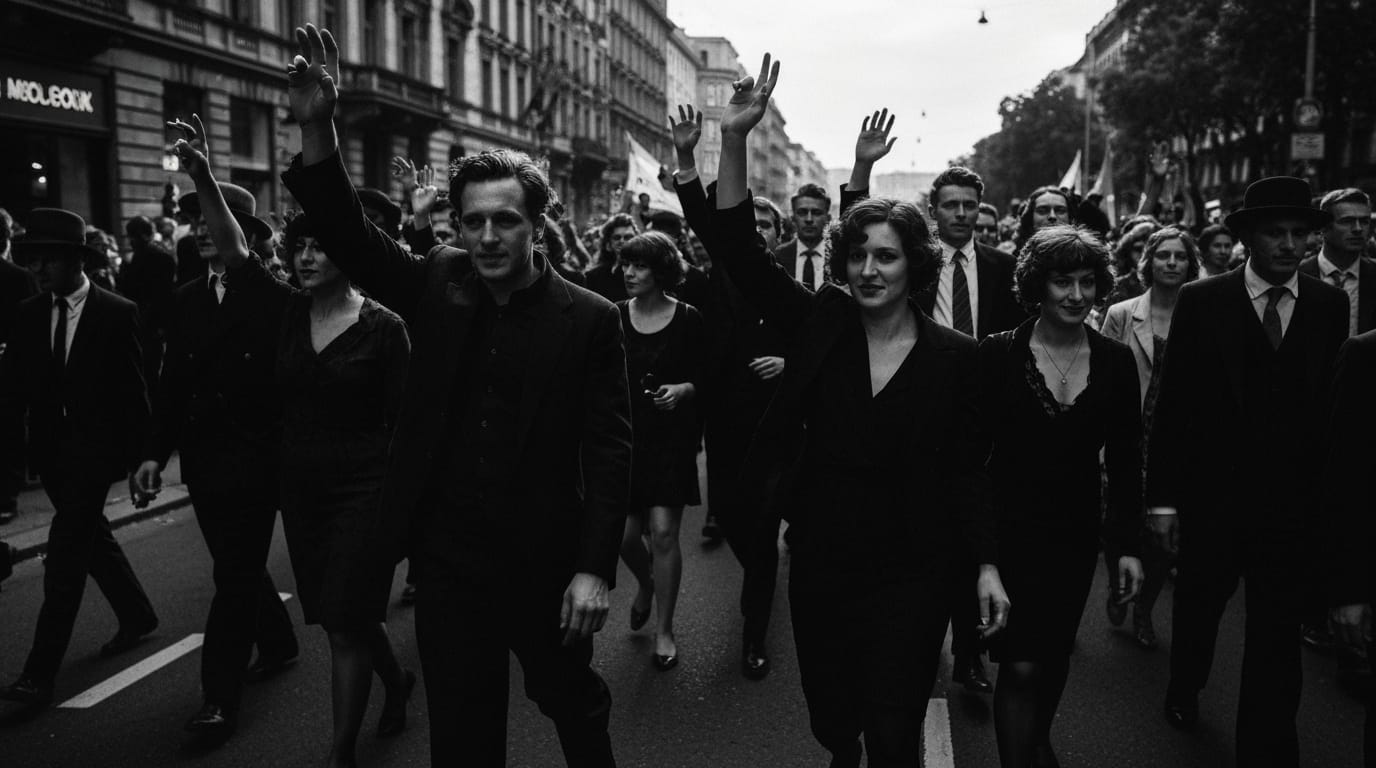
Berlin in the 1920s emerged as an unexpected epicenter of LGBTQ+ life, fostering an unprecedented era of openness and activism that laid the groundwork for the world's first organized gay rights movement. Amidst the cultural renaissance of the Weimar Republic, the German capital became a beacon for individuals seeking freedom and community, defying prevailing societal norms and actively challenging discriminatory laws. This vibrant period, characterized by a burgeoning queer culture and pioneering advocacy, positioned Berlin as a unique haven before the rise of Nazism brought its progressive strides to a sudden and brutal halt.
The Scientific Humanitarian Committee: Pioneering Advocacy
At the heart of Berlin's early gay rights movement was Dr. Magnus Hirschfeld, a Jewish German physician and sexologist, who founded the Scientific Humanitarian Committee (WHK) in 1897. Often credited as the world's first LGBTQ+ rights organization, the WHK pursued a dual strategy of scientific research and political advocacy, operating under the guiding principle of "Justice through science." Hirschfeld and his committee tirelessly worked to dispel the notion of homosexuality as a disease or moral failing, arguing instead that it was a natural variation of human sexuality. Their primary legislative target was Paragraph 175 of the German Criminal Code, which criminalized homosexual acts between men and had been in effect since 1871.
The WHK’s efforts extended beyond lobbying; they engaged in public education, published scientific papers, and gathered an impressive roster of signatures from prominent personalities who supported the repeal of Paragraph 175. In 1919, Hirschfeld further solidified Berlin's role as a center for sexual science by opening the Institute for Sexual Research. This groundbreaking institution housed a vast archive, a museum of sex, and offered medical and counseling services, including pioneering work in sex reassignment surgery. It served as a refuge for transgender individuals and became a hub for discussing and understanding human sexuality in its myriad forms.
A Flourishing Queer Cultural Landscape
The liberal atmosphere of the Weimar Republic provided fertile ground for the growth of an overt and extensive queer subculture in Berlin. By the mid-1920s, the city boasted an estimated 170 LGBTQ+ venues, including clubs, bars, and pubs, a significant increase from the mere 40 known queer bars at the decade's outset. These establishments, such as the famous Eldorado cabaret, offered spaces for freedom, community, and joy, featuring drag performances and vibrant nightlife. While not always strictly supported by the state, these venues were largely tolerated, allowing queer life to flourish openly within designated spaces.
Beyond the bustling nightlife, a robust queer print culture emerged. Magazines such as "Der Eigene," first published by Adolf Brand in 1896 and dedicated to "masculine culture," served as a vital platform for the community until its closure by the Nazis in 1932. Other publications like "Die Freundschaft," "Blätter für Menschenrecht," "Die Freundin," "Frauenliebe," and "Das dritte Geschlecht" (for transvestites and transsexuals) were readily available at kiosks and venues, catering to diverse segments of the queer population. This vibrant cultural output also extended to cinema, with films like Richard Oswald's 1919 production "Anders als die Andern" (Unlike the Others), co-written by Hirschfeld, becoming one of the first pro-gay films and featuring a gay character. Berlin's reputation for openness attracted international figures, including the British writer Christopher Isherwood, whose "Berlin Stories" later inspired the musical "Cabaret," offering a glimpse into the city's liberal gay nightlife.
The Fight for Decriminalization and a Near Victory
The political efforts to repeal Paragraph 175 gained significant momentum throughout the 1920s. The Scientific Humanitarian Committee had been submitting petitions to the Reichstag since its inception, garnering support from thousands of prominent individuals across the German Empire and the Weimar Republic. In 1922, the first-ever gay rights demonstration took place in Nollendorfplatz, symbolizing Berlin's growing role as a hub for gay activism. The competing gay and lesbian associations of the time briefly united to form an action group, amplifying their voices during upcoming criminal justice reforms.
The advocacy reached a critical juncture in 1929 when a Reichstag committee actually proposed removing Paragraph 175 from the penal code. This proposal represented a significant triumph for the nascent gay rights movement and a testament to decades of persistent lobbying and public education. However, this promising development was ultimately thwarted by the escalating political instability and the impending rise of the Nazi party. The opportunity for legal reform, so close to fruition, was tragically lost as Germany plunged into a new era of authoritarianism.
The Shadow of Nazism and an Enduring Legacy
The vibrant and progressive era of queer Berlin was brutally suppressed with the Nazi seizure of power in 1933. The new regime moved swiftly to dismantle the foundations of LGBTQ+ freedom. In 1933, Magnus Hirschfeld's Institute for Sexual Research was ransacked and its extensive library publicly burned, a symbolic act marking the end of intellectual freedom and the beginning of systematic persecution. Paragraph 175 was expanded in 1935 to include "lewd acts," leading to increased arrests and the imprisonment of homosexual men in concentration camps, where they were forced to wear pink triangles. An estimated 15,000 gay individuals were killed by the Nazis.
Despite this dark period, the legacy of Berlin's 1920s queer movement profoundly shaped future LGBTQ+ struggles. The scientific arguments for natural variations in sexuality, the concept of organized advocacy, and the creation of visible community spaces all laid essential groundwork for subsequent movements. After World War II, it would take decades for Germany to decriminalize homosexuality, first in East and then West Germany in 1968-69, though with an unequal age of consent. The memory of Berlin's "wild" 1920s continues to inspire, reminding the world of a time when the city was at the forefront of the fight for LGBTQ+ rights, a fight that continues in many forms today.
Berlin's 1920s represent a pivotal, if ultimately tragic, chapter in the history of gay rights. It was a period where intellectual courage met cultural effervescence, forging a community and a movement that dared to demand equality in a hostile world. The city's bold experimentation in social and sexual liberation, though cut short by totalitarianism, provided an invaluable blueprint for future generations, solidifying its place as a spiritual birthplace of the modern LGBTQ+ rights movement.