Berlin's Sweltering Summer Ignites Debate Over Classical Orchestra Dress Codes
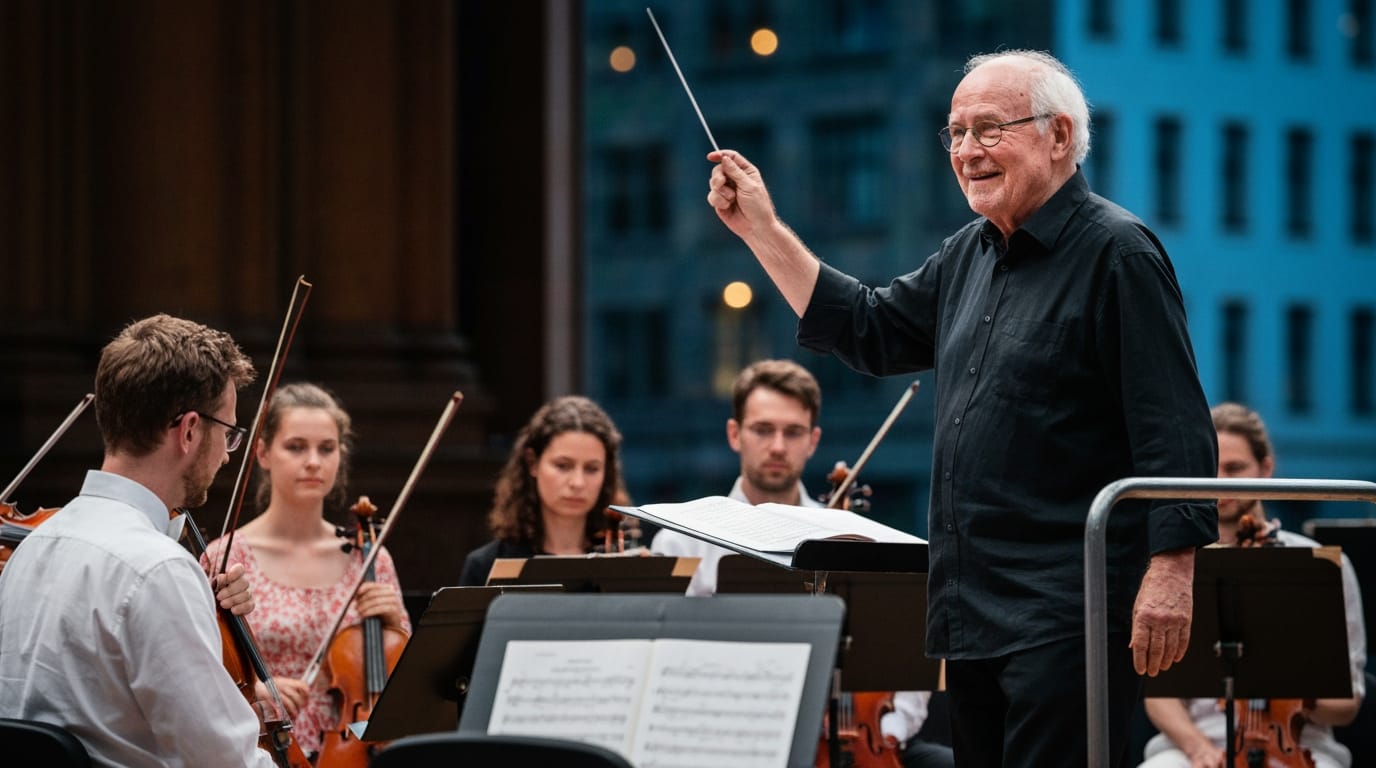
Berlin is currently gripped by an intense heatwave, with temperatures soaring and forecasts predicting record highs, prompting cancellations and adaptations across the city's event landscape. As residents and institutions grapple with the extreme conditions, a critical conversation is quietly intensifying within the revered halls of Berlin's classical music scene: the future of traditional orchestral dress codes for performers. While concert-goers are already seeing adjustments to accommodate the heat, the focus is increasingly turning to the unyielding formal attire worn by musicians, sparking a broader discussion about comfort, performance, and the modernization of classical traditions in a warming world.
Berlin Under Siege by Summer Heat
The German capital is experiencing a severe heatwave, with meteorologists suggesting temperatures could surpass the previous record of 39.2 degrees Celsius, potentially reaching up to 42 degrees. This oppressive heat has already led to significant disruptions and changes. Numerous public events have been canceled or postponed, with officials urging vulnerable populations, particularly the elderly, to remain indoors. Emergency rooms report an increase in patients suffering from dehydration and heatstroke, highlighting the serious health risks posed by the extreme weather.
In response to the scorching conditions, some cultural institutions have begun implementing measures to protect attendees. For instance, for the Berlin Philharmonic's season-ending concert at the Waldbühne, audience members have been explicitly permitted to bring in two 0.5-liter drinks, food in transparent packaging, and pocket umbrellas for sun protection. Organizers at the Waldbühne have also increased medical staff and plan to arrange water dispensers, demonstrating a tangible effort to adapt to the heat's immediate challenges. While these measures address audience comfort, the rigorous demands placed on orchestral musicians, often clad in multi-layered, formal attire, bring into sharp focus the need for similar consideration for those on stage.
The Unseen Strain: Performers and Instruments in the Heat
The traditional image of a classical orchestra, with musicians uniformly dressed in black suits and formal gowns, often belies the physical demands of performance. Under normal circumstances, playing an instrument for extended periods requires immense concentration, physical stamina, and fine motor control. Add extreme heat and heavy clothing into the equation, and these demands escalate dramatically. Musicians can experience discomfort, fatigue, and even health risks, all of which can subtly or overtly impact their performance.
Beyond the physical well-being of the performers, the instruments themselves are highly susceptible to temperature fluctuations. Crafted from delicate materials such as wood, metal, and tensioned strings, musical instruments can suffer adverse effects in extreme heat. Wood can expand, potentially leading to warping, cracking, or damage to structural integrity. The expansion and contraction of materials directly affect an instrument's tuning and pitch, making it challenging to maintain harmonic precision. String instruments, for example, can experience altered friction between the bow and strings, while the mechanical components of pianos can swell, causing a "sluggish" response time. Wind instrument players are acutely aware of how temperature impacts pitch, often needing to "warm up" their instruments to playing temperature to ensure accurate tuning. An environment that overheats instruments can throw them significantly out of tune, posing a considerable hurdle to achieving a flawless performance. The combination of physical strain on musicians and the material stress on instruments creates a compelling argument for reassessing long-held sartorial norms when climate conditions become extreme.
A Legacy of Uniformity: The History of Orchestral Dress Codes
The origins of the classical orchestra's strict dress code are deeply rooted in history, tracing back to the 17th century. Initially, musicians were often part of aristocratic households, akin to servants, and their attire mirrored the formal dress of the era's elite. As orchestras moved from private salons to public concert halls, the tradition of formal evening wear, predominantly white tie for men, persisted. This uniformity was intended to present a cohesive image, drawing attention to the music itself rather than to individual performers.
The standard of black-and-white formal attire became entrenched, symbolizing the gravitas and sophistication associated with classical music. However, this tradition has faced increasing scrutiny in recent decades. Critics argue that such rigid dress codes can create a barrier between musicians and audiences, perpetuating an elitist image that may deter new listeners. Furthermore, the gendered nature of traditional attire – tailcoats for men and gowns for women – has been challenged as discussions around inclusivity and self-expression become more prominent in contemporary society. The debate centers on whether the uniformity truly enhances the musical experience or if it is an outdated relic that prioritizes tradition over the comfort and modern identity of performers. Some argue that adhering to such norms in uncomfortable conditions can even detract from a musician's ability to perform at their peak, making the focus on dress counterproductive to the very music it seeks to serve.
Modernizing Tradition: The Push for Adaptation
The challenges posed by Berlin's current heatwave are not isolated. Across Germany, cultural institutions are increasingly engaging with the broader implications of climate change. A pilot project supported by the German Federal Cultural Foundation, for instance, has seen twenty cultural institutions—including theaters, museums, and castles—develop strategies for adapting to phenomena like extreme heatwaves and floods. This initiative underscores a growing recognition that cultural heritage and its presentation must evolve in the face of a changing climate.
In the realm of classical music, this push for adaptation extends beyond audience comfort and structural preservation to the very musicians on stage. While specific policy changes for performers in Berlin orchestras have not been explicitly announced in response to the current heatwave, the severe conditions inevitably fuel the ongoing, global discussion about modernizing orchestral dress codes. Some orchestras worldwide have already begun experimenting with more flexible attire. The Los Angeles Philharmonic, for example, introduced "Casual Friday" concerts where musicians can wear less formal clothing, moving away from the strict black-tie requirement. These efforts reflect a desire to make classical music more accessible and relatable, while also prioritizing the comfort and individual expression of the performers. As temperatures continue to rise globally, the question of comfort and practicality in performance attire will likely become less of a niche debate and more of a mainstream necessity for maintaining artistic excellence and ensuring the well-being of musicians.
Conclusion
Berlin's current battle with extreme heat casts a new and urgent light on the long-standing traditions of classical music. While the city's cultural venues are making immediate, practical adjustments for audiences, the pressure is mounting for a deeper reconsideration of the historical dress codes that have defined orchestral performance for centuries. The confluence of record-breaking temperatures, the documented strain on musicians and their instruments, and a broader societal shift towards inclusivity and climate adaptation, positions this moment as a potential turning point. Classical music, renowned for its timeless artistry, is increasingly challenged to adapt its presentation to contemporary realities. Balancing the reverence for tradition with the imperative for practicality, comfort, and sustainability will be crucial for orchestras in Berlin and beyond, ensuring that the music continues to thrive in a world that is undeniably, and dramatically, warming.


