BioNTech to Close Three German Facilities After Search for Buyers Falls Short
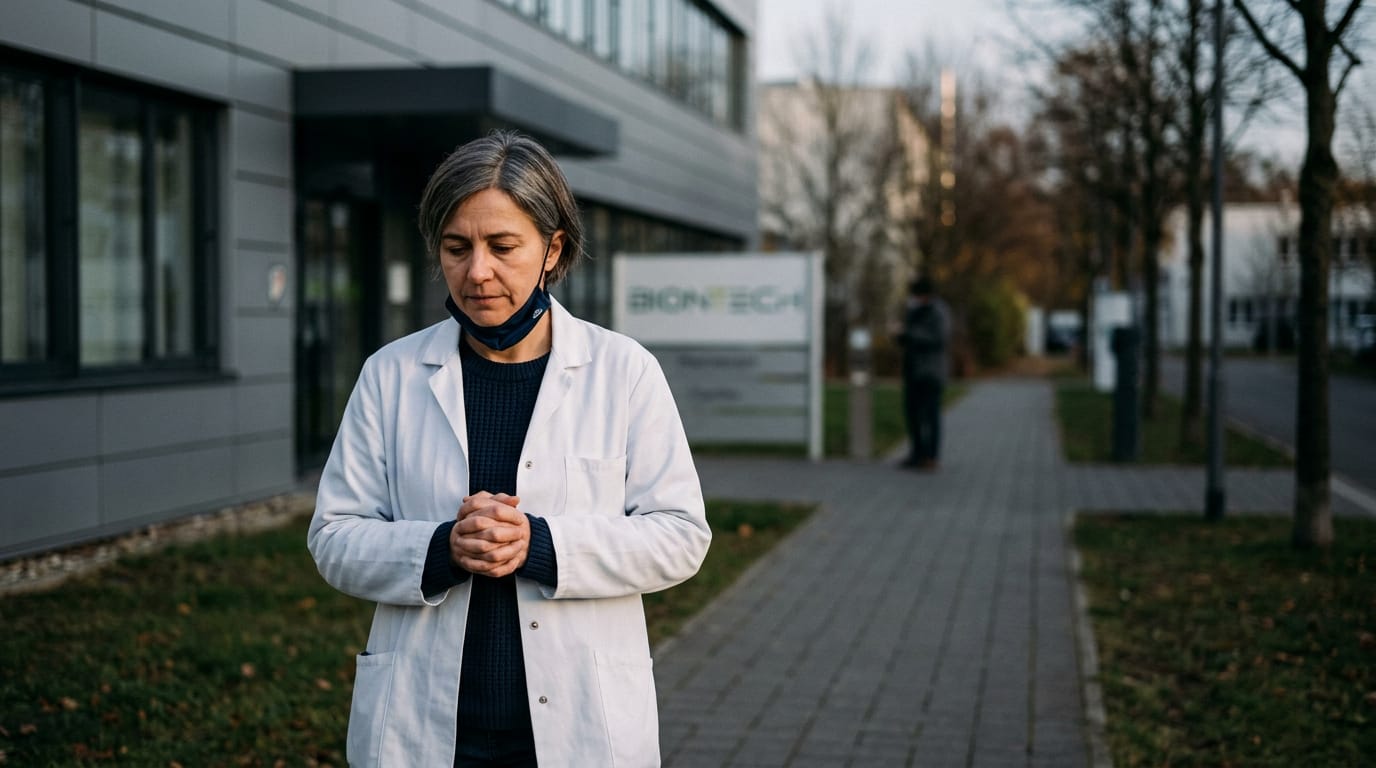
FRANKFURT — German biotechnology giant BioNTech announced plans to shut down three major manufacturing facilities across Germany, a sweeping retrenchment that will affect roughly 1,800 workers as the company dismantles its pandemic-era industrial footprint.
The Mainz-based company confirmed that attempts to sell its production sites in Marburg, Idar-Oberstein, and Tübingen collapsed after months of formal bidding. The decision marks a decisive end to the massive manufacturing scale-up triggered by the COVID-19 pandemic, reflecting both the steep decline in global demand for coronavirus shots and an aggressive strategic turn toward cancer therapeutics.
A Phased Exit Across Three States
The planned shutdowns will take place gradually over the next two years. The facility in Tübingen, Baden-Württemberg—previously the headquarters of CureVac before BioNTech acquired the firm for $1.25 billion in 2025—is slated to cease operations by the end of 2027.
Production at the Marburg site in Hesse will end in early 2028, followed by the closure of the Idar-Oberstein plant in Rhineland-Palatinate toward the end of 2028.
BioNTech had first disclosed in May that it intended to shed the facilities alongside an overseas site in Singapore, seeking third-party purchasers or contract manufacturing partners to take over the complexes. Despite hiring an external brokerage firm and holding discussions with local governments, including municipal officials in Tübingen seeking alternative uses for the specialized infrastructure, no viable buyer agreed to take on the German plants.
Company representatives stated that unfavorable market conditions and a sector-wide slowdown in biopharmaceutical capital expenditure left prospective investors unwilling to commit.
Transitioning From Pandemic Scale
The three plants played central roles during the height of the international immunization campaign. BioNTech purchased the Marburg facility from Novartis in late 2020, rapidly converting it into one of the largest mRNA vaccine production hubs in Europe to supply billions of doses developed with its American partner, Pfizer.
However, vaccine consumption has cratered worldwide as population immunity stabilized and governments ended mass purchasing contracts. BioNTech's quarterly revenues dropped precipitously over the past two years, down more than 50 percent year-over-year in recent quarters, creating substantial excess production capacity that grew increasingly expensive to maintain.
Under revised agreements, remaining production responsibilities for commercial COVID-19 vaccines have largely transitioned to Pfizer's dedicated network. The shift left BioNTech with significant domestic real estate and equipment designed for large-scale liquid formulation and fill-finish work that no longer aligned with its commercial requirements.
Restructuring expenses have already weighed on the company’s balance sheet, including nearly 100 million euros in employee-related charges booked earlier this year.
Impact on Workers and Regional Economies
The closures represent a heavy blow to Germany's biotechnology sector and the local economies that expanded around the pandemic boom. Up to 1,800 manufacturing specialists, lab technicians, and support staff across the three sites will be displaced.
BioNTech and company works councils have reached formal agreements on severance packages and transitional support programs. The provisions include financial payouts and transfer assistance intended to mitigate hardship for affected staff.
Local leaders in Rhineland-Palatinate and Hesse expressed disappointment over the impending closures, noting that the sites fostered specialized regional supply chains and high-wage scientific employment. Works council representatives emphasized that the multi-year phaseout schedule will at least offer technicians and scientists a runway to seek re-employment in Germany's broader pharmaceutical corridor.
Strategic Shift Toward Oncology
The wind-down of German factory operations coincides with a broader institutional realignment within BioNTech. Originally established as an experimental cancer immunotherapy firm before pivoting in 2020 to develop the Comirnaty vaccine, the enterprise is redirecting its financial and scientific resources back toward oncology and next-generation immunology.
The operational focus is shifting away from massive batch production of preventive vaccines and toward tailored, clinical-stage therapeutics. These modalities include individualized mRNA cancer treatments, antibody-drug conjugates, and cell therapies, all of which require smaller, specialized clinical manufacturing suites rather than industrial-scale mega-plants.
The corporate pivot has also arrived alongside governance changes; co-founders Ugur Sahin and Ozlem Tureci announced earlier this year that they would step down from operational leadership to launch an early-stage scientific venture, clearing the way for a restructured executive suite tasked with commercializing the oncology pipeline.
Industry Realities Settle In
The inability to sell the three German manufacturing facilities highlights a broader reality confronting the global biotechnology landscape: the post-pandemic correction has permanently altered the value of mRNA manufacturing real estate.
While the sudden onset of COVID-19 spurred unprecedented capital spending, the subsequent normalization of demand left drugmakers worldwide holding surplus capacity. By opting for closures rather than keeping idled plants on standby, BioNTech is absorbing the painful costs of contraction to protect its balance sheet, banking on its pipeline of experimental cancer therapies to define its next chapter.