Biryani Bill Ignites National Debate: India Grapples with Consent and Entitlement in Dating
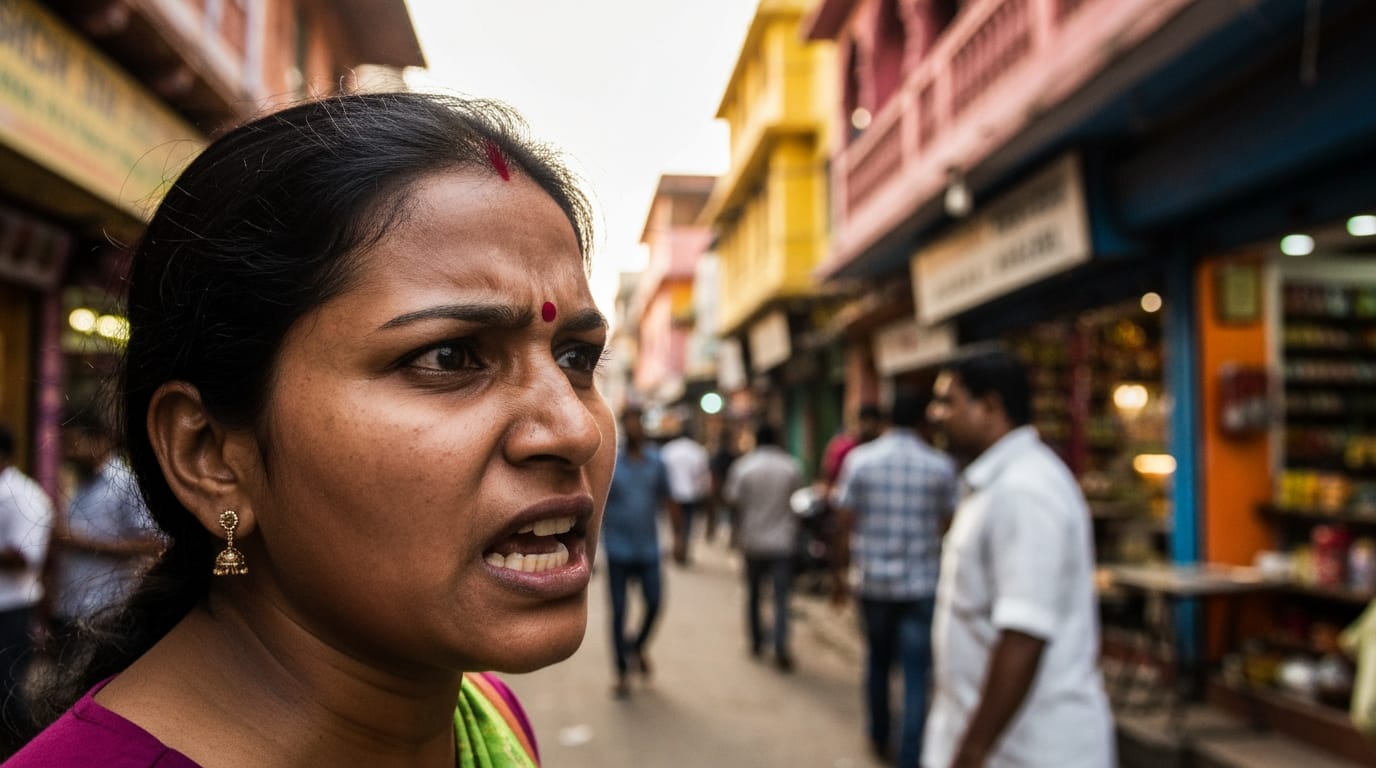
Gurugram, India – A seemingly innocuous comment made during a stand-up comedy show in Gurugram has inadvertently thrust India's evolving dating landscape into a fervent national debate, exposing deep-seated issues of consent, male entitlement, and transactional mindsets in modern relationships. What began as an audience interaction involving a plate of chicken biryani costing approximately ₹370 (about $4.50 USD) has rapidly escalated into a widespread social media phenomenon, prompting intense scrutiny and igniting calls for greater accountability in public discourse.
The Incident That Ignited a Nation
The controversy, widely dubbed the "₹370 biryani incident," originated from a crowd-work segment during comedian Pranit More's show. An audience member, identified as Himanshu Jangra, a web developer from Gurugram, recounted a recent date where he had paid around ₹370 for a plate of chicken biryani for a woman. Jangra then casually suggested to the audience that because he had covered the cost of the meal, he was owed a "return on his investment" from his date. The initial clip showed the live audience erupting in laughter, with comedian Pranit More himself chuckling and describing the exchange as "peak Gurgaon content." However, a longer version of the interaction that later surfaced online detailed Jangra describing how he physically pressured his date into intimacy, despite her initial reluctance, further intensifying the outrage. In this extended narrative, he explicitly framed his subsequent demand for sexual favors as a matter of simple arithmetic, implying that the cost of the meal entitled him to physical intimacy when he dropped his date home. The revelation transformed the moment from a display of casual misogyny into a viral flashpoint, highlighting troubling attitudes towards consent and personal boundaries.
The Firestorm of Digital Outrage
The video snippet quickly went viral across various social media platforms, including Instagram, X (formerly Twitter), LinkedIn, Reddit, and YouTube, consuming digital feeds with a collective wave of fury. The phrase "₹370 ki biryani" rapidly became a meme, a shorthand for the transactional mindset and entitlement prevalent in dating culture. Critics argued that the comments reduced dating to a transaction rather than a mutual experience and that spending money on a date does not create an obligation for physical intimacy. Women across social media responded with sarcasm, humor, and pointed commentary, questioning how a meal costing ₹370 could be perceived as an "investment" demanding a return. Many highlighted the everyday expenses that far exceed such a modest amount, using the meme to underscore outdated expectations. The online backlash also extended to Pranit More, who faced significant criticism for laughing along and seemingly encouraging Jangra's remarks, rather than challenging them. Critics contended that by treating such comments as a punchline, he missed an opportunity to call out problematic attitudes towards consent.
Unpacking Consent and Entitlement in Indian Dating
The controversy served as a stark reminder of the persistent challenges in understanding and practicing consent within Indian society. Experts and commentators observed that the incident exposed a belief system where financial contributions in a dating scenario are implicitly linked to expectations of intimacy, effectively reducing a woman's dignity to a purchasable commodity. This "transactional mindset" is not an isolated phenomenon; studies, such as one conducted by dating app Tinder, indicate that a significant majority of young adults in Indian metro cities struggle with understanding how to ask for, give, or withdraw consent when dating. More than 65% of respondents in such surveys reportedly lack this crucial knowledge, and half are unsure of what to do if their consent is violated.
This societal blind spot is often attributed to deeply embedded patriarchal structures, where women's autonomy is undermined, and a lack of open communication about intimacy and boundaries exists. The influence of popular culture, including Bollywood films, has also been cited for glorifying the coercion of women, portraying their initial rejections as mere coyness to be overcome by persistent male advances. The "₹370 biryani" incident highlighted how easily problematic ideas can be disguised as humor, with many questioning the culture that allows misogyny and entitlement to be celebrated on stage.
Real-World Consequences and Accountability
The viral nature of the incident quickly translated into real-world consequences for those involved. Himanshu Jangra was identified as an employee of Starvik Design, a Gurugram-based firm, which subsequently terminated his employment. The company explicitly stated that Jangra's expressed views did not align with its values, despite acknowledging his professional conduct at work. Comedian Pranit More issued multiple apologies, acknowledging a "lapse in judgment" and admitting he should have handled the situation differently. He also faced a temporary suspension of his Instagram account amid the backlash.
The gravity of the situation further escalated when the National Commission for Women (NCW) took suo motu cognisance of media reports and the viral video, expressing concern that the content appeared to glorify sexual coercion and non-consensual conduct. The NCW summoned both Pranit More and Himanshu Jangra, requesting immediate and time-bound action from the Haryana Director General of Police. Concurrently, the Maharashtra Cyber Police registered a case against More, Jangra, and others in Mumbai for allegedly disseminating "obscene and objectionable" content on social media, summoning them for an inquiry. These legal and official interventions underscore the broader societal implications of the incident, moving the conversation beyond mere social media outrage to formal accountability.
A Catalyst for Critical Dialogue
The "₹370 biryani" controversy, stemming from a seemingly trivial amount, has become a profound national inflection point, forcing India to confront uncomfortable truths about its dating culture, the understanding of consent, and the pervasive issue of male entitlement. It has prompted a critical dialogue that transcends the boundaries of a stand-up comedy show, resonating deeply with young Indians navigating relationships in an increasingly complex social landscape. The incident highlighted that the true cost was never the biryani, but the potential erosion of a woman's autonomy and dignity. As legal proceedings unfold and public discussions continue, the controversy serves as a powerful reminder that jokes built on misogyny and coercion are not merely humor, but rather reflections of ingrained societal attitudes that demand urgent and collective introspection. The incident has ultimately become a catalyst, urging a re-evaluation of respect, boundaries, and the fundamental principles of consent in all interpersonal interactions.


