Black Sea Grain Trade Under Siege: Ukrainian Attacks Cripple Russian Exports, Spark Global Food Security Fears
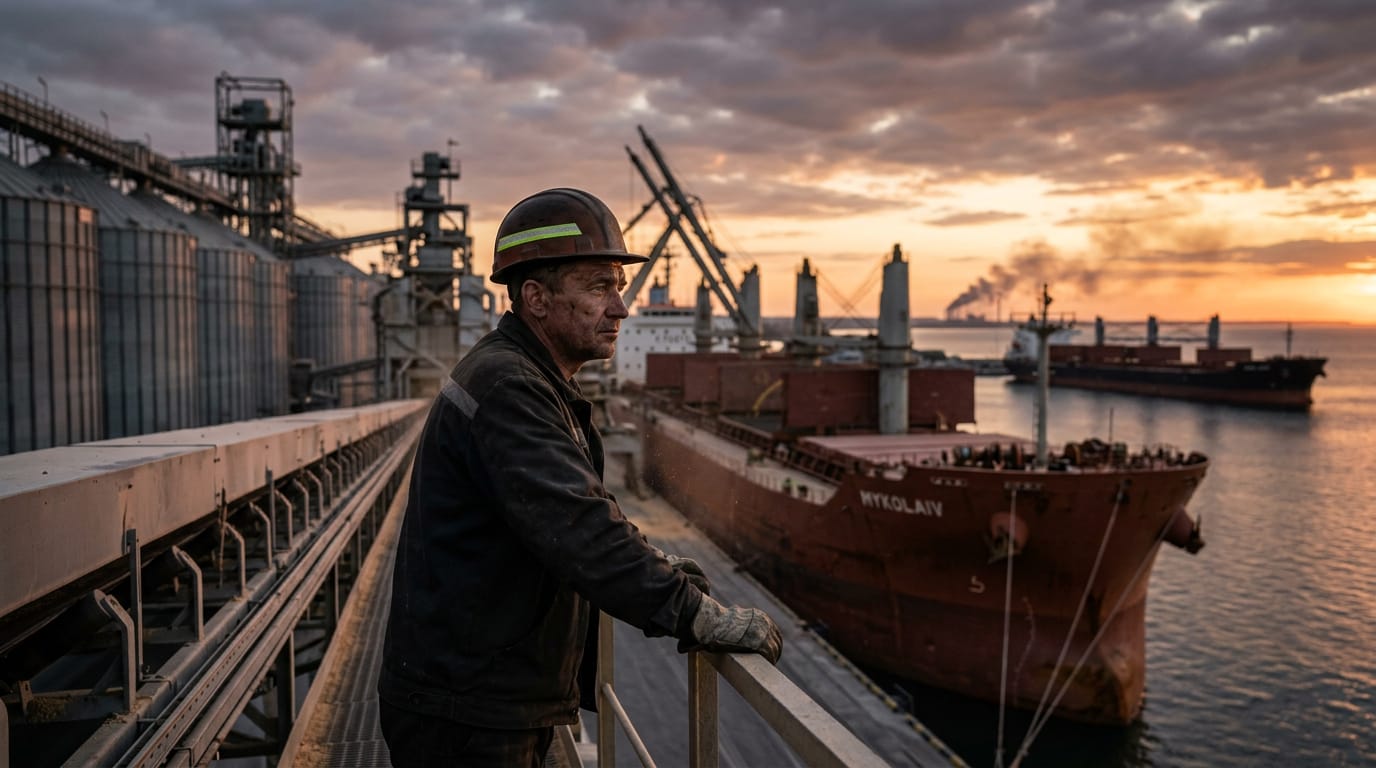
Novorossiysk, Russia — A dramatic escalation of Ukrainian attacks on Russian Black Sea ports and shipping infrastructure has severely disrupted grain exports from the region, triggering fresh anxieties over global food supplies and driving up commodity prices. The intensified strikes, primarily utilizing drones and missiles, have significantly hampered Russia's ability to move its vast grain harvests, impacting a crucial artery of international trade and ratcheting up economic pressure on Moscow.
The Black Sea has become a new front in the ongoing conflict, with Ukraine increasingly targeting Russian naval assets and port facilities. This strategic shift aims to degrade Russia's military and economic capacity, but its repercussions are now rippling through global markets. Analysts and international organizations are voicing grave concerns about the potential for widespread food insecurity, particularly in import-dependent nations already grappling with economic instability.
Escalation in the Black Sea: Ukraine's Strategic Offensive
In recent weeks, Ukraine has demonstrably stepped up its military operations in the Black Sea and Sea of Azov, employing a sophisticated combination of sea and aerial drones, as well as anti-ship missiles and land-based systems. These targeted attacks have proven highly effective in disrupting Russian maritime activities. Key targets have included Russian naval bases, commercial port infrastructure, and grain terminals, particularly in the vicinity of Novorossiysk and other critical Black Sea harbors.
The strategy represents a concerted effort by Kyiv to challenge Moscow's naval dominance and impose significant costs on its economy. Ukraine's military leadership has emphasized that "the occupation fleet and all the infrastructure supporting it will not be safe as long as Russian aggression continues." This aggressive posture follows a successful campaign that, according to observers, has already reduced Russia's Black Sea Fleet by half since February 2022, forcing many vessels to relocate or undergo long-term repairs. The strikes are part of a broader strategy of sea denial, aiming to restrict Russia's freedom of maneuver and degrade its operational capabilities in the region.
Russian Grain Exports Suffer Significant Blows
The direct impact on Russia's grain export capabilities has been substantial and immediate. More than 90% of Russia's grain export capacity in the Azov-Black Sea basin has been taken offline following these attacks and navigation restrictions, effectively crippling the country's main export corridor during a peak shipping season. The three largest grain terminals at the Black Sea port of Novorossiysk, which alone handles up to a third of Russia's grain exports, suspended operations after sustaining damage. Reports indicate significant damage to loading galleries and silos at these vital facilities, rendering grain shipments impossible from the port.
Beyond Novorossiysk, the disruptions extend to other crucial maritime gateways. A major grain terminal in Taman halted operations in late July, and navigation in the Sea of Azov has been suspended since July, further compounding the export crisis. Russian Black Sea grain exports plunged by an alarming 65% year-on-year in July, hitting a 15-year low. This translates into a significant financial hit for Russia, as grain exports typically generate around $15 billion annually, with the Azov-Black Sea basin accounting for 88% of maritime grain shipments last season. The disruption is placing immense pressure on Russian farmers, who are already struggling with falling prices and deteriorating financial conditions. The Kremlin has acknowledged "problems" with agricultural exports and is reportedly considering measures such as suspending export duties and providing subsidized loans to mitigate the impact.
Global Food Security on Edge
The ripple effects of these Black Sea disruptions extend far beyond Russia's borders, igniting global alarm over food security. Russia and Ukraine collectively account for approximately one-quarter of global grain exports, making any impediment to their shipments a serious threat to worldwide food availability. The Black Sea region is a vital source of wheat, corn, and barley for numerous import-dependent nations, particularly in the Middle East and Africa.
The immediate consequences are evident in soaring commodity prices. Wheat prices have climbed significantly, reflecting the market's anxiety over reduced supplies. When cargo ships cannot operate safely, importers are forced to seek supplies from other regions, often at considerably higher costs. The situation is further complicated by challenges affecting alternative transportation routes, such as low water levels along the Danube River and maintenance work on Eastern European rail networks, which limit their capacity to compensate for lost Black Sea volumes.
UN Secretary-General António Guterres has warned that the global food supply has become "collateral damage" in conflicts, noting that disruptions in key maritime chokepoints, including the Black Sea, are leading to higher prices, deepening hunger, and greater suffering for vulnerable populations worldwide. The current scenario is considered more complex than the 2022 grain crisis, when robust global harvests helped to absorb some of the shocks. Now, attacks on both Ukrainian and Russian grain infrastructure, coupled with other global supply chain pressures, are creating a perilous environment for food stability.
The Strategic Calculus and Unpredictable Outlook
Ukraine's sustained attacks on Russian port infrastructure underscore a deliberate strategy to exert economic pressure and challenge Russia's control over the Black Sea. By targeting key export hubs, Kyiv aims to disrupt Russia's revenue streams that support its military operations and to demonstrate its capacity to strike deep within Russian-controlled territories. This form of economic warfare is intended to raise the cost of the conflict for Moscow.
Despite President Vladimir Putin's assurances that there will be no shortages on global markets and that Russia intends to export around 60 million tons of grain this season, the current disruptions present a significant challenge to these claims. The Kremlin is actively working to minimize the impact, but the effectiveness of these measures remains to be seen amidst ongoing hostilities.
The intensifying tit-for-tat attacks between the two major grain exporters have created an unpredictable and hazardous environment for maritime commerce. Shipping companies face dramatically increased insurance costs, and many vessels are opting to avoid the volatile waters, further restricting trade flows. The conflict in the Black Sea, alongside other global disruptions such as those in the Strait of Hormuz and the Bab al-Mandab Strait, is contributing to elevated costs for agricultural inputs like fertilizers, which will eventually translate into higher food prices globally.
The future of grain exports from the Black Sea region remains precarious. While Ukraine has demonstrated its capability to disrupt Russian exports, the long-term implications for global food security are severe. The ongoing conflict continues to destabilize a critical food basket, threatening to exacerbate humanitarian crises and potentially fuel further inflation in essential food commodities across the globe. The international community watches closely as the Black Sea, a historical gateway for grain, becomes a focal point of economic and military tension with profound global consequences.