Black Sea's Enduring Importance to Russia and Ukraine
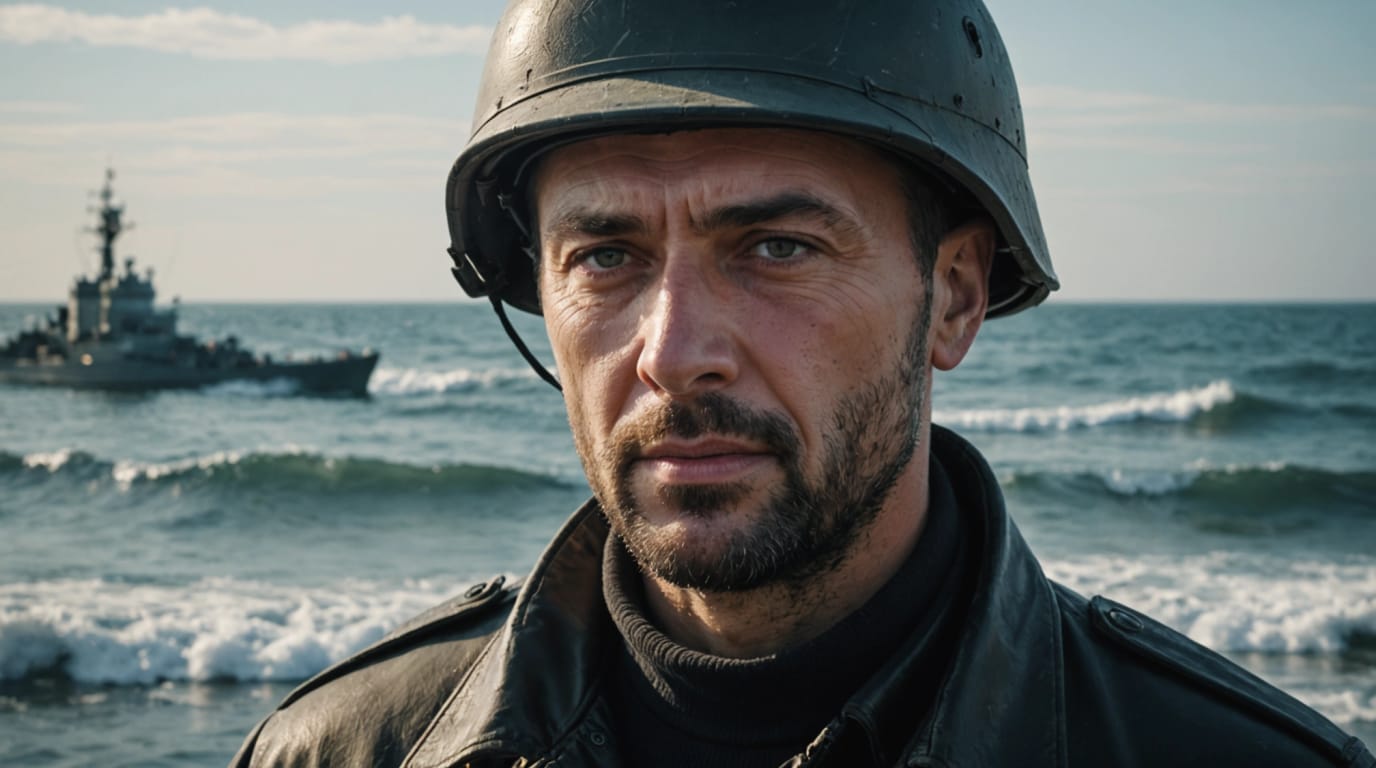
The Black Sea, a vital artery connecting Eastern Europe and Western Asia, has emerged as a critical focal point in the ongoing conflict between Russia and Ukraine. Its strategic significance extends beyond mere geography, encompassing economic, military, and geopolitical dimensions that deeply impact both nations and the broader region.
A Historical Chokepoint
Throughout history, the Black Sea has served as a crucial maritime trade route. For Russia, it provides access to the Mediterranean Sea and beyond, facilitating the projection of power into Europe, the Middle East, and North Africa. Control over the Black Sea allows Russia to exert influence in key regions, address security challenges, and tap into significant energy resources. Similarly, Ukraine relies heavily on the Black Sea for its exports, particularly grain and oilseeds, which constitute a substantial portion of its economy. Before the war, Ukrainian Black Sea ports accounted for up to 90% of the country's grain and oilseed exports, with a third destined for Europe, China, and Africa.
Economic Lifeline
The Black Sea is indispensable for the economies of both Russia and Ukraine. For Ukraine, its ports serve as the primary gateway for exporting agricultural products, including wheat, barley, corn, and sunflower oil. These exports are crucial for the country's revenue and food security in many countries. The Russian blockade has significantly impacted Ukraine's ability to export grain, leading to concerns about global food shortages, especially in countries that rely heavily on Ukrainian grain imports. Russia also relies on the Black Sea for trade, particularly through the port of Novorossiysk, which is vital for exporting grain and oil. The Black Sea is a key geostrategic crossroads between Europe, Eurasia, and the Middle East.
Military Stronghold
The Black Sea holds immense military importance for both Russia and Ukraine. Russia's annexation of Crimea in 2014 significantly strengthened its naval presence in the Black Sea, transforming the peninsula into a heavily fortified military base. This move allowed Russia to dominate the Sea of Azov and project power throughout the region. However, Ukraine has been actively resisting Russian dominance, employing innovative tactics such as anti-ship missiles and naval drones to target Russian naval assets. Despite having a smaller navy, Ukraine has successfully damaged or destroyed a significant portion of the Russian Black Sea Fleet, forcing Russia to relocate warships and curtail its operations.
Geopolitical Battleground
The Black Sea has become a major geopolitical battleground between Russia and the West. Russia views the Black Sea as essential for challenging American primacy and renegotiating the European security order. Moscow aims to prevent Ukraine and Georgia from joining NATO and undermine the alliance's cohesion. The West, on the other hand, seeks to counter Russian aggression and support Ukraine's sovereignty and territorial integrity. The EU has recognized the growing importance of the Black Sea and is developing a strategic approach to enhance regional cooperation, economic investment, and security.
Shifting Power Dynamics
The conflict in Ukraine has significantly altered the power dynamics in the Black Sea. Ukraine's military successes against the Russian Black Sea Fleet have reshaped the region's security landscape, opening opportunities for regional cooperation and security. Turkey's strategic influence in the Black Sea has also increased, as the diminished Russian naval presence allows it to play a more pivotal role in regional security and diplomacy. The EU is also seeking to increase its role in the Black Sea, with Poland's upcoming presidency of the EU Council in early 2026 presenting an opportunity to strengthen EU security policy towards the region.
Recent Developments
Recently, there have been reports of a ceasefire agreement between Russia and Ukraine in the Black Sea, mediated by the United States. The agreement aims to halt the use of force and military use of commercial vessels in the Black Sea. However, details of the agreement remain unclear, and there are conflicting statements from both sides regarding its implementation. Ukraine has emphasized that any movement by Russian military vessels outside the eastern part of the Black Sea will be considered a violation of the agreement.
Implications and Future Outlook
The Black Sea will continue to be a critical region for Russia and Ukraine. The conflict in the region has far-reaching implications for global trade, energy security, and geopolitical stability. The future of the Black Sea will depend on the outcome of the conflict in Ukraine and the ability of regional and international actors to foster cooperation and security in the region. The EU and NATO will need to play a greater role in the Black Sea to counter Russian aggression and support the sovereignty and territorial integrity of Ukraine and other littoral states.


