Bolivia Declares State of Emergency Amid Crippling Blockades and Economic Turmoil
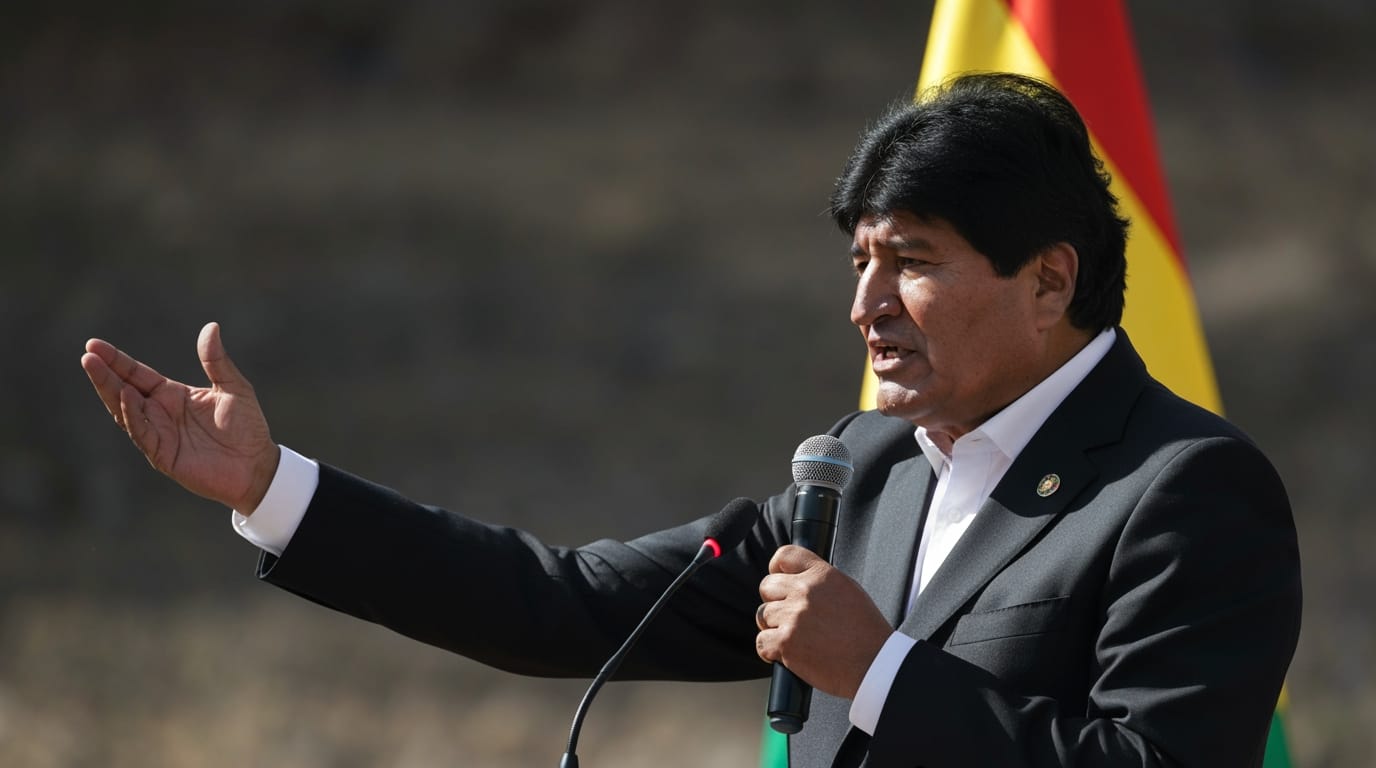
La Paz, Bolivia – President Rodrigo Paz declared a nationwide state of emergency on Saturday, June 20, 2026, in response to weeks of escalating anti-government protests and road blockades that have paralyzed Bolivia and pushed the nation to the brink of a humanitarian crisis. The drastic measure, announced after nearly 50 days of unrest, grants the government broader powers, including the potential deployment of military forces, to clear strategic routes and restore order amidst severe shortages of food, fuel, and medicine across the country. The declaration underscores the profound economic and political instability gripping Bolivia, as protesters, primarily backed by workers' unions and farmers, demand President Paz's resignation and an end to a deepening cost-of-living crisis.
The Crisis Unfolds: Protests and Economic Hardship
The current wave of widespread demonstrations ignited after President Paz's administration implemented cuts to long-standing fuel subsidies, an attempt to curb the fiscal deficit amidst a severe shortage of US dollars and ongoing discussions with the International Monetary Fund. Although the government later moved to stabilize fuel prices and rolled back some unpopular land reforms, the protests intensified, broadening into demands for wage increases, an urgent resolution to fuel and dollar shortages, and ultimately, Paz's resignation. Many of the protest groups have aligned themselves with former President Evo Morales, reflecting persistent political rivalries within the country. The blockades, often organized by peasant and rural groups alongside labor and social organizations, have targeted major highways across at least six of Bolivia's nine departments, with Cochabamba, La Paz, Oruro, and Potosí being among the most severely affected regions.
President Paz's Decisive Response and Expanded Powers
In a televised address to the nation, President Paz affirmed that the state of emergency, or "State of Exception," was a necessary measure to "free the country's roads" and ensure that Bolivians are no longer "hostages of blockades that prevent working, studying, receiving medical attention, supplying themselves, and bringing sustenance to their homes." The declaration comes just weeks after Paz signed a new law on June 9, 2026, specifically regulating states of emergency. This legislation, fast-tracked through the legislature, expands the executive's authority to deploy the military in support of police efforts to dismantle road blockades and maintain public order. The government has portrayed this as an institutional, democratic, and legal response against those attempting to impose their will through violence and seditious actions, denying that the protests constitute an internal conflict but rather are influenced by "transnational components, dark financing, criminal interests, and structures linked to drug trafficking." The new legal framework formalizes the use of emergency measures during periods of acute internal unrest, with the primary enforcement role assigned to the police, supported by targeted military deployments to clear transit chokepoints.
Humanitarian and Economic Toll Mounts
The prolonged blockades have inflicted a staggering toll on the daily lives of Bolivian citizens and the national economy. Essential supply chains have been severely disrupted, leading to critical shortages of fuel, food, and essential medicines in major urban centers, including the administrative capital, La Paz. Reports indicate that food prices in La Paz and El Alto have doubled, and drivers face multi-day queues for gasoline. Hospitals in the administrative capital region are experiencing acute deficits of vital medical supplies, including liquid oxygen. The human cost has been tragic, with at least seven deaths attributed to delayed medical care and blockages preventing emergency transit.
Economically, the impact is immense. The National Chamber of Industries estimates that losses linked to the unrest have surpassed $3 billion. Industry groups, after nearly 40 days of blockades, had previously estimated losses at over $2.3 billion, with daily damages of approximately $60 million, affecting production, employment, and logistics across multiple sectors. More than 13,000 companies and roughly 150,000 workers are reportedly directly impacted by the paralysis of transport and commerce. The Bolivian Road Administration has also warned of physical damage to infrastructure, including vandalism and the excavation of trenches across highways, posing risks for long-term structural damage and potential landslides during the rainy season.
A Nation Divided: Search for Stability
Despite the government reaching an agreement on Friday with the Bolivian Workers' Confederation (COB), the nation's main labor union, in an effort to ease tensions, the broader protests persisted and intensified, leading to the state of emergency declaration. While the government has stated its commitment to dialogue for legitimate demands, many protest leaders have rejected calls for negotiation, maintaining pressure through the continued closure of strategic highways and reiterating their demand for President Paz's resignation. The underlying economic vulnerabilities, characterized by dollar dependency, dwindling international reserves, and rising debt, contribute to the complexity of the crisis, as the country has become heavily reliant on imports. The government continues to pursue a financing agreement with the International Monetary Fund, with negotiations for a program worth approximately $3 billion reportedly nearing completion.
The declaration of a state of emergency marks a critical juncture for Bolivia, as the government attempts to reassert control and restore stability. While intended to free vital transportation arteries and facilitate the flow of essential goods, the measure also carries significant implications for civil liberties and the political landscape. The coming days will determine whether this decisive action can de-escalate the conflict, address the deep-seated grievances of the populace, or further entrench the divisions threatening the nation's democratic processes and economic future.


