France Bans Alcohol at Music Festivals Amid Soaring Heatwave Alerts
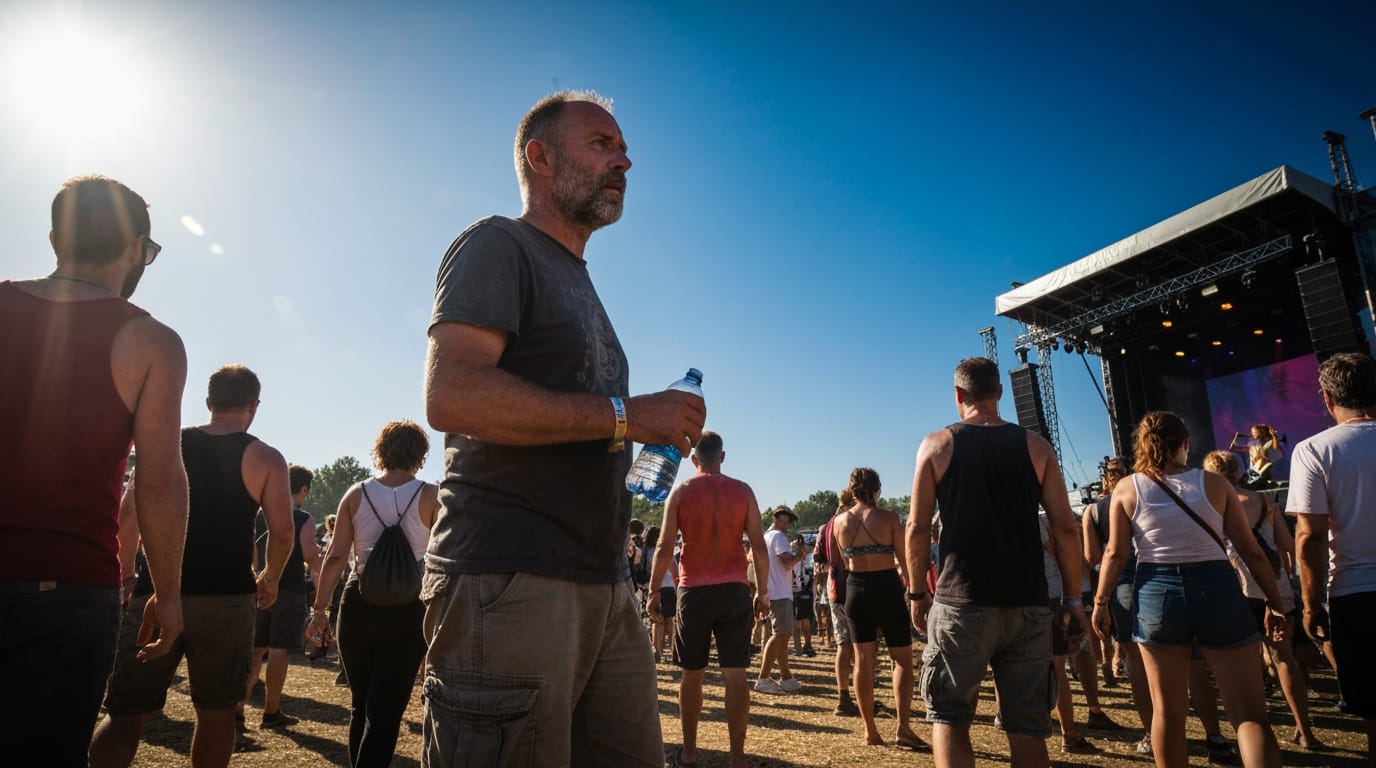
PARIS – As a punishing heatwave grips much of France, authorities have issued an unprecedented ban on alcohol consumption at music festivals and public gatherings in regions under a red heatwave alert. The drastic measure, effective starting noon on Sunday, June 21, targets the annual Fête de la Musique celebrations, a beloved national event that typically draws millions to the streets for free concerts and festive revelry. The directive comes as 35 departments, encompassing an estimated 26 million people, brace for temperatures projected to climb as high as 41 degrees Celsius (106 Fahrenheit), prompting grave concerns for public health and safety.
The decision, announced by the Prime Minister's office following a crisis meeting, underscores the growing severity of early-season heatwaves across Europe and the proactive steps governments are taking to mitigate potential fatalities and overwhelm emergency services. Prefects in the affected administrative districts are tasked with issuing decrees to enforce the ban in public spaces. Furthermore, all events organized by the state and its agencies have been instructed not to offer alcoholic beverages, signaling a comprehensive approach to public safety during this period of extreme meteorological stress.
A Nation Under Red Alert: The Immediate Impact
The red heatwave alert, the highest level in France's warning system, signifies a "dangerous phenomenon of exceptional intensity" with significant health impacts on the entire population, including healthy individuals. Meteo France, the national weather agency, has warned that "very high temperatures are settling in for the long term across the country," impacting a swathe of territory from the southwest through the Paris region into Burgundy. In Paris and the entire Île-de-France region, the alert shifts to red beginning Sunday, June 21, 2026, meaning residents and visitors face a full day of intense heat combined with restrictions on public alcohol consumption during one of the capital's most vibrant annual celebrations.
The immediate implications for the Fête de la Musique are profound. What is usually a day of spontaneous street parties and open-air concerts, often accompanied by widespread alcohol sales and consumption, will now be significantly curtailed in the most affected areas. Organizers and attendees alike are scrambling to adapt to the new regulations, with a palpable shift from festive anticipation to cautious concern. The focus has rapidly turned from celebration to survival, as authorities prioritize keeping the public hydrated and safe from heat-related illnesses.
Public Health Imperative: Alcohol's Peril in Extreme Heat
The rationale behind the alcohol ban is rooted firmly in public health. Medical experts and authorities consistently warn against consuming alcohol during heatwaves due as it acts as a diuretic, accelerating dehydration, and impairing the body's natural ability to regulate its temperature. This dangerous combination significantly elevates the risk of heatstroke, exhaustion, and other severe heat-related illnesses. Paris Mayor Emmanuel Gregoire succinctly articulated these concerns, stating, "The combination of alcohol, heat and proximity to water — those are three risk factors that don't mix well."
Emergency services are already under immense pressure during such extreme weather events, dealing with a surge in heat-related medical emergencies. By banning alcohol, authorities aim to reduce the incidence of risky behaviors and discomfort that could further strain medical resources. The measure is designed to proactively prevent a potential public health crisis, ensuring that hospitals and first responders are not overwhelmed by preventable conditions. The focus is on encouraging water consumption and seeking shade, rather than engaging in activities that compromise the body's resilience to heat.
Fête de la Musique: A Celebration Transformed
The Fête de la Musique, held annually on the summer solstice, has been a cornerstone of French cultural life since its inception in 1982. It transforms cities and towns into vast open-air stages, with amateur and professional musicians performing in streets, parks, and public squares. The event is characterized by its informal atmosphere, accessibility, and the freedom it offers for impromptu gatherings. Alcohol sales and consumption have long been an integral, if unofficial, part of these festivities, with revelers often enjoying a drink as they move between different musical acts.
The current ban, while temporary and localized to red alert zones, represents a significant departure from the festival's traditional spirit. It highlights the growing tension between cherished cultural traditions and the urgent need for public safety measures in an era of escalating climate-related challenges. While the music will undoubtedly play on, the experience will be fundamentally altered for millions, serving as a stark reminder of the changing environmental landscape and its impact on everyday life and celebrated events.
A European Phenomenon: Heatwaves and Adaptation
France's preemptive alcohol ban is not an isolated incident but rather a striking example of a broader European response to an increasingly frequent and intense pattern of heatwaves. This summer, much of the continent is grappling with record-breaking temperatures. Germany has issued nationwide warnings, and Spain was forced to close a football fan zone in Madrid due to the extreme heat, impacting attendees of a World Cup match.
Scientists are increasingly unequivocal in linking these extreme weather events to climate change, asserting that human-induced global warming is making heatwaves more frequent, longer-lasting, and more severe across Europe. The economic toll of such heatwaves is also a growing concern, impacting productivity and increasing energy consumption. Governments across the continent are being forced to innovate and implement new public health strategies, from opening parks overnight in Paris to providing cooling centers and issuing explicit health advisories. These measures signal a long-term shift in how European nations prepare for and respond to summer conditions, with public safety protocols becoming increasingly stringent.
Conclusion: A Sobering Summer Outlook
The decision by French authorities to ban alcohol at music festivals in heatwave-stricken areas is a powerful testament to the escalating threat posed by extreme temperatures. It represents a difficult but necessary trade-off between traditional freedoms and the paramount concern for public health. As France, along with the rest of Europe, navigates an increasingly warming climate, such measures may become a more common feature of summer life. The Fête de la Musique, usually a carefree expression of joy, now serves as a poignant illustration of a world adapting to new environmental realities, where the rhythm of celebration must sometimes yield to the imperative of survival.


