Bolsonaro Transferred to Enhanced Prison Unit Amidst Ongoing Legal Saga
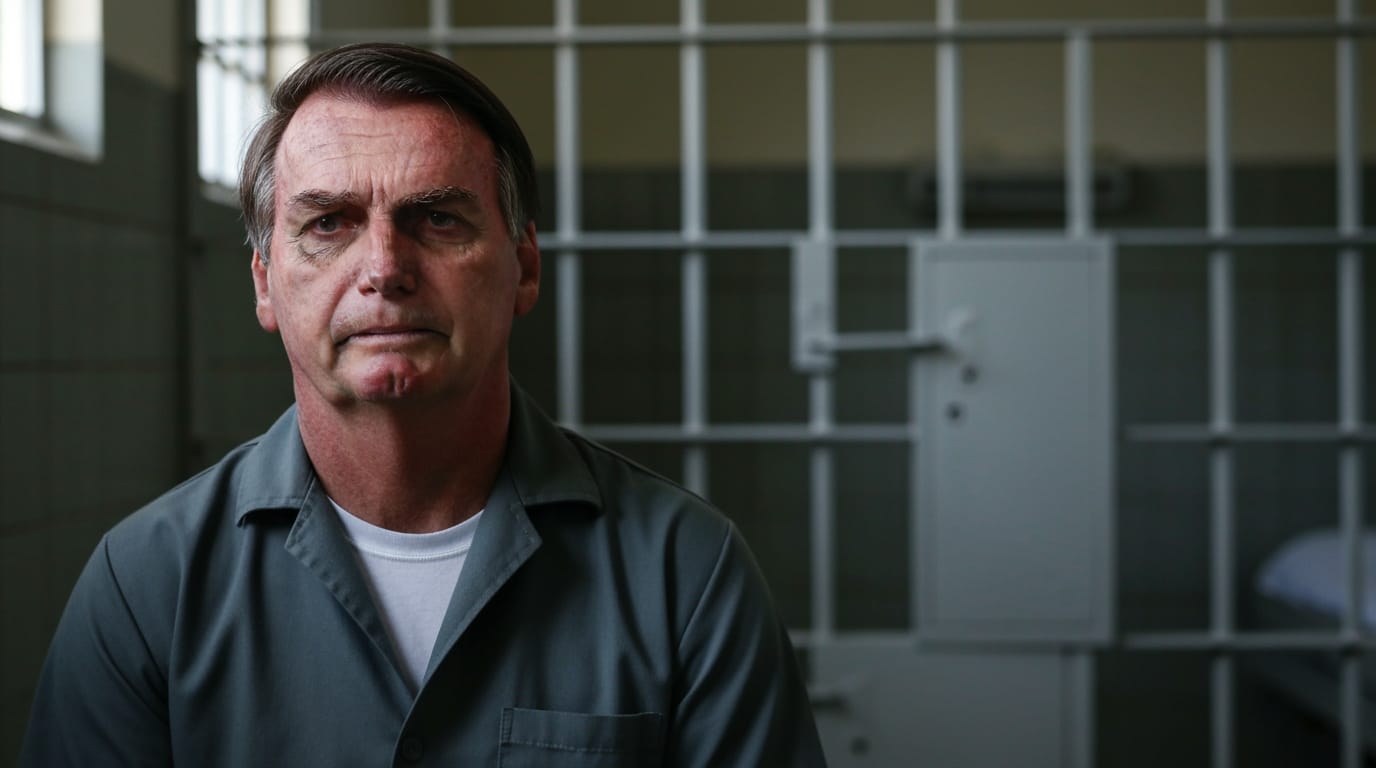
BRASÍLIA — Former Brazilian President Jair Bolsonaro was transferred Thursday to a significantly larger and more comfortable cell within the Papuda Penitentiary Complex in Brasília, a move ordered by Supreme Court Justice Alexandre de Moraes. The high-profile relocation comes as Bolsonaro serves a 27-year prison sentence following his conviction for attempting a coup after his 2022 electoral defeat, marking a new chapter in the complex legal battles surrounding the former leader. The transfer, which occurred on January 15, 2026, aims to provide "more favorable conditions" for the high-profile detainee, while simultaneously addressing concerns raised by his legal team regarding his health and detention circumstances.
A Shift to Improved Detention Conditions
Bolsonaro's new accommodations are located in the 19th Military Police Battalion, a unit known as Papudinha within the sprawling Papuda Penitentiary Complex, which traditionally houses individuals with special prerogatives, including other politicians. The new cell measures 54 square meters, significantly larger than the 12-square-meter room he occupied at the Federal Police headquarters in Brasília. In addition to the expanded indoor space, the new unit includes a 10-square-meter private outdoor area that Bolsonaro can access at will.
The newly allocated space is designed to resemble an apartment, featuring a bedroom, a private bathroom, a kitchen, a laundry area, and a living room. Plans are also in motion to install physiotherapy equipment, such as a treadmill and a bicycle, to support his medical needs. Furthermore, Justice Moraes's order mandates 24-hour medical assistance, the provision of special meals, and increased time for family visits. Bolsonaro will also be allowed "full assistance" from previously registered private doctors without prior notification. However, the court explicitly denied a request for a smart TV, citing concerns that internet connectivity could pose risks to institutional security and enable improper communication or illegal acts. This contrasts sharply with his previous cell, which, while having a bed, private bathroom, air conditioning, a TV set, and a desk, was considerably more confined. The prison facility itself boasts a health post staffed with doctors, nurses, dentists, psychologists, psychiatrists, and pharmacists dedicated exclusively to its detainees.
The Weight of a Conviction: Attempted Coup and Democratic Integrity
The transfer unfolds against the backdrop of Bolsonaro's significant conviction for attempting a coup following his narrow loss in the 2022 presidential election. In September 2025, Brazil's Supreme Court sentenced him to 27 years and three months in prison after finding him guilty of leading a conspiracy aimed at subverting democratic institutions. The charges included leading an armed criminal organization and attempting the violent abolition of the democratic rule of law. Prosecutors alleged that Bolsonaro and his inner circle spent months undermining public trust in Brazil's electoral system and, after his defeat, sought to retain power through illicit means. This effort culminated in the storming of government buildings in Brasília on January 8, 2023, an event often compared to the January 6, 2021, assault on the U.S. Capitol. The conviction also encompassed allegations of plotting to assassinate then President-elect Luiz Inácio Lula da Silva, Vice President Geraldo Alckmin, and Supreme Court Justice Alexandre de Moraes.
Bolsonaro had initially been under house arrest since August 2025 but was taken into custody at the Federal Police headquarters after police reported he tampered with an ankle monitor. He claimed at the time that his medications caused "hallucinations" and "paranoia," leading him to fear the monitor could be used to spy on him. The Supreme Court had unanimously rejected an appeal from his legal team in November 2025, solidifying his prison sentence. Justice Moraes, who presided over the case and ordered the recent transfer, has maintained a firm stance throughout the proceedings, denying claims of mistreatment and emphasizing that a custodial sentence is not a "hotel stay or a vacation colony." Bolsonaro's ineligibility to hold public office extends until at least 2060 as a result of his conviction.
Health, Appeals, and Judicial Scrutiny
Bolsonaro's legal team has consistently sought to secure his release on humanitarian house arrest, citing his health issues. The former president has a history of medical complications, particularly those stemming from a stabbing incident during a 2018 campaign event, which required multiple surgeries. His lawyers have presented medical reports asserting that he requires constant monitoring of his blood pressure and heart rate, regular tests, specific medications, and frequent consultations with various specialists, including cardiologists, pulmonologists, and gastroenterologists. They argued that prison conditions would jeopardize his health and prevent him from receiving necessary care.
Despite these pleas, Justice Moraes had previously denied humanitarian house arrest, citing a flight risk. However, the latest judicial order for his transfer to Papuda reflects an acknowledgment of the need to provide adequate medical facilities within the penal system. The justice specifically highlighted the comprehensive health services available at the Papuda complex and ordered a medical examination to further assess Bolsonaro's condition and determine if a transfer to a penitentiary hospital is warranted. This decision appears to be a carefully calibrated response to balance the rigorous enforcement of his sentence with the humanitarian concerns for a former head of state's well-being.
Political Repercussions and Future Landscape
The ongoing incarceration and transfer of Jair Bolsonaro continue to reverberate through Brazil's political landscape. His wife, Michelle Bolsonaro, and his sons have regularly accused the authorities of mistreating him and denying him adequate medical attention, accusations that Justice Moraes has explicitly refuted as "regrettably and falsely" attempting to delegitimize the judicial process. Despite his imprisonment, Bolsonaro remains a significant figure for the Brazilian right, with some analysts suggesting he maintains a "kingmaker" status.
Internationally, the case has drawn attention, particularly from former U.S. President Donald Trump, who has defended Bolsonaro and dismissed his prosecution as a "witch hunt." Following Bolsonaro's sentencing, the U.S. imposed sanctions and tariffs on Brazilian imports, leading to a public dispute with current Brazilian President Lula da Silva and highlighting the global implications of the trial. The judicial proceedings have also led to the revocation of U.S. visas for several Brazilian Supreme Court justices and sanctions against Justice Moraes. This persistent scrutiny underscores the profound impact of Bolsonaro's legal fate on both domestic and international relations, while the courts endeavor to uphold the rule of law in a deeply polarized nation.
The transfer of former President Bolsonaro to a more accommodating prison unit represents a development in a case that has captivated Brazil and the international community. While his legal team continues to pursue avenues for his release, the Supreme Court, under Justice Moraes, appears committed to ensuring that his sentence is served under conditions that, though improved, firmly keep him within the confines of the penal system. This ongoing narrative highlights the intricate balance between justice, humanitarian considerations, and political consequences in a nation still grappling with the aftermath of a contentious electoral period.


