Bomb Blast Kills Three Police Officers in Balochistan, Pakistan
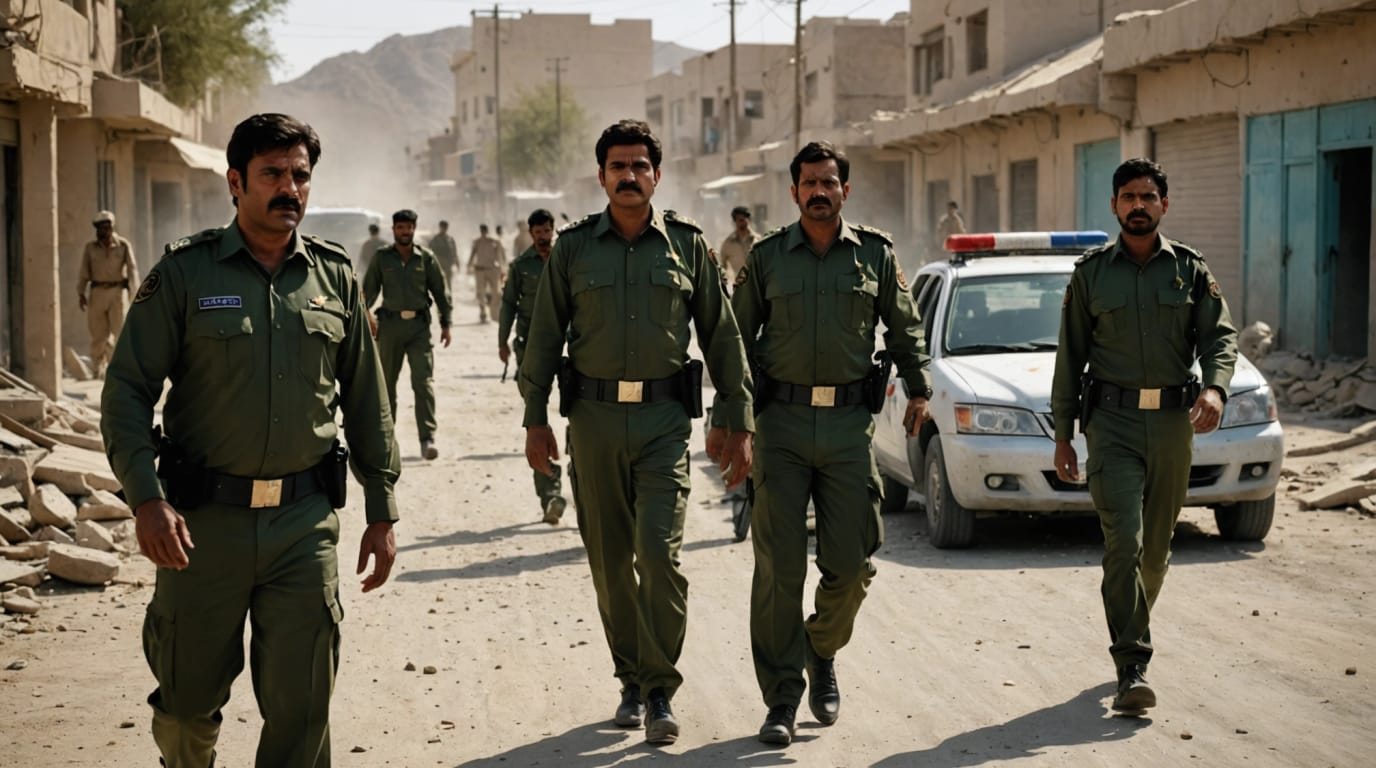
A roadside bomb ripped through a vehicle carrying police officers in Pakistan's southwestern Balochistan province on Tuesday, killing three and wounding at least 16 others. The attack occurred in the Mastung district, a region known for its long-running insurgency and frequent attacks on security forces. The bombing underscores the persistent security challenges facing Pakistan, particularly in its restive border regions.
Attack Details and Aftermath
The explosion took place when a truck transporting police personnel was struck by a remote-controlled explosive device. According to police sources, the bomb was attached to a motorcycle and detonated as the vehicle passed by. The injured were immediately transported to a nearby hospital for treatment. The blast severely damaged the police truck, highlighting the intensity of the explosion.
Balochistan Chief Minister Sarfraz Bugti condemned the attack and expressed his sorrow over the loss of life. He vowed to bring those responsible to justice, stating that "those who play with the peace of Balochistan will be brought to a tragic end." Prime Minister Shehbaz Sharif also condemned the attack and reiterated the government's commitment to fighting terrorism.
Regional Context and Insurgency
Balochistan, Pakistan's largest province by land area, has been plagued by insurgency for decades. Various Baloch separatist groups operate in the region, seeking greater autonomy or complete independence from Pakistan. These groups often target security forces, government installations, and infrastructure projects.
The Balochistan Liberation Army (BLA), a U.S.-designated terrorist organization, is one of the most prominent separatist groups in the region. The BLA and other allied insurgent groups claim to be fighting for Balochistan's independence, alleging that the central government in Islamabad is exploiting the province's natural resources. They have also targeted Chinese-funded projects and Chinese nationals working in the region, accusing Beijing of assisting Islamabad in this exploitation. Both Pakistan and China reject these charges, labeling the insurgents as enemies of development in Balochistan.
Polio Workers Abducted in Khyber Pakhtunkhwa
In a separate incident, gunmen abducted two polio workers in the Khyber Pakhtunkhwa province, which borders Afghanistan. The polio workers were on their way home after visiting a health facility in the Dera Ismail Khan district. The abduction occurred ahead of a nationwide anti-polio campaign scheduled to begin on April 21, aiming to vaccinate 45 million children.
While the perpetrators of the abduction remain unknown, authorities have previously blamed militants for such attacks. Insurgents often spread false claims that vaccination campaigns are a Western conspiracy to sterilize children, despite vehement denials from the government and medical experts. These attacks and abductions hinder efforts to eradicate polio in Pakistan, one of the few countries where the disease remains endemic.
Government Response and Security Measures
The Pakistani government has repeatedly asserted its commitment to combating terrorism and maintaining security in Balochistan and other volatile regions. Prime Minister Sharif has vowed to continue the "fight against terrorism" until it is eradicated. However, the recent attacks highlight the ongoing challenges faced by security forces in these areas.
The government has implemented various security measures to counter the insurgency in Balochistan, including increased military presence, intelligence gathering, and development projects aimed at addressing local grievances. However, these efforts have yet to fully quell the violence, and attacks on security forces and civilians continue to occur.
Implications and Future Outlook
The bomb blast in Mastung and the abduction of polio workers underscore the complex security landscape in Pakistan. The persistent insurgency in Balochistan, coupled with the threat of militancy in Khyber Pakhtunkhwa, poses a significant challenge to the government's efforts to maintain stability and promote development.
The attacks also raise concerns about the safety and security of aid workers and government employees working in these regions. The targeting of polio workers, in particular, threatens to undermine efforts to eradicate the disease and protect vulnerable children.
Moving forward, a multi-faceted approach is needed to address the root causes of the conflict in Balochistan and counter the threat of militancy in other regions. This includes strengthening security measures, promoting inclusive governance, addressing socio-economic grievances, and countering extremist ideologies. Only through a comprehensive and sustained effort can Pakistan hope to achieve lasting peace and stability in its restive border regions.


