Border Czar Deploys to Minnesota Amidst Escalating Immigration Tensions, Fatal Shootings, and Legal Challenges
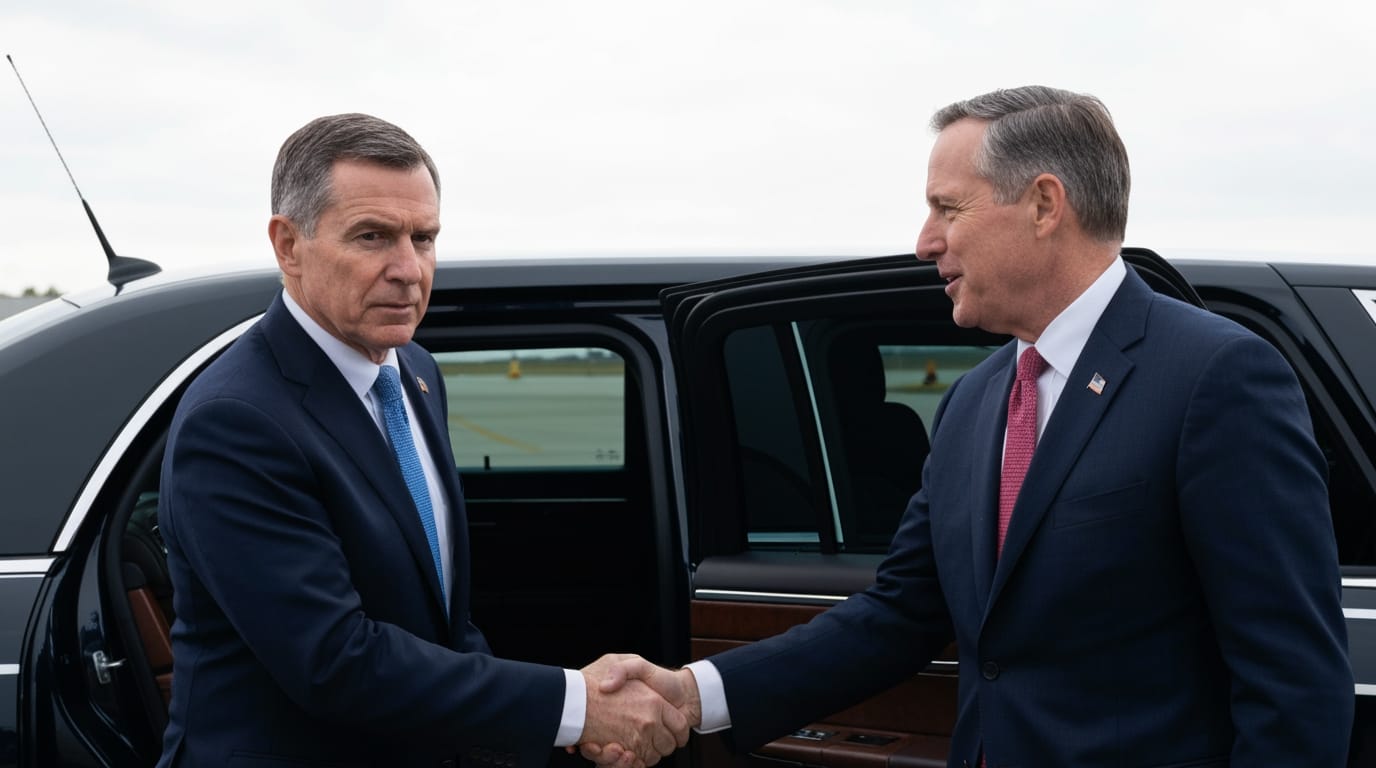
Minneapolis, MN – In a significant development reflecting heightened tensions surrounding federal immigration enforcement, Tom Homan, the Trump administration's "border czar," arrived in Minnesota on Tuesday and met with Governor Tim Walz, aiming to navigate a contentious landscape marked by recent fatal shootings, extensive protests, and ongoing legal battles over immigration policies. The high-profile visit comes as the state grapples with a federal immigration operation that has drawn sharp criticism from state and local officials, underscoring a deepening federal-state divide on immigration matters.
Federal Presence Ignites Local Outcry
Homan's deployment to Minnesota follows a period of escalating confrontation between the federal government and state and local authorities. For nearly two months, the U.S. Immigration and Customs Enforcement (ICE) has maintained "Operation Metro Surge" in the state, deploying approximately 3,000 federal immigration officers to Minneapolis. This significant federal presence, which dwarfs the city's police force, has been the subject of widespread protest and intense political backlash. The Trump administration initiated the operation, reportedly linking it to fraud cases involving federal nutrition and pandemic aid programs, many of which allegedly involved individuals with Somali roots.
The federal crackdown reached a critical point with the fatal shootings of two U.S. citizens, Renee Macklin Good and Alex Pretti, by federal immigration agents. Pretti, an ICU nurse, was reportedly shot by Customs and Border Protection (CBP) officers, sparking outrage and calls for impartial investigations. The controversy was further fueled by unsubstantiated claims from Border Patrol Chief Gregory Bovino, who led the initial surge, alleging Pretti intended to "massacre" federal agents. These incidents galvanized opposition, leading to waves of protests throughout the region.
A Shift in Tone and Leadership
The arrival of Tom Homan and the subsequent meeting with Governor Walz signal a potential shift in the federal government's approach. Homan, appointed by President Donald Trump in 2025 to oversee immigration and border security policies, arrived after President Trump engaged in "very good" phone calls with both Governor Walz and Minneapolis Mayor Jacob Frey on Monday. Governor Walz characterized the President's tone as "more collaborative" during their conversation, and Trump himself suggested they were on a "similar wavelength."
A key aspect of this strategic adjustment is the impending departure of Border Patrol Commander Gregory Bovino from Minnesota. Bovino, whose leadership and controversial statements had drawn fierce criticism from local officials, civil rights advocates, and congressional Democrats, is expected to leave the state. His removal is widely seen as an attempt to "turn down the temperature" of protests and de-escalate tensions. Homan is now slated to take charge of ICE operations in Minnesota, reporting directly to the White House.
Walz Outlines State Priorities
During their Tuesday morning meeting, Governor Walz communicated Minnesota's explicit priorities to Homan. These included demands for impartial investigations into the recent shootings involving federal agents, a significant and swift reduction in the number of federal forces operating in Minnesota, and an end to what the state perceives as a "campaign of retribution against Minnesota." Walz and Homan reportedly "agreed on the need for an ongoing dialogue" and committed to continuing work toward these objectives, goals that President Trump had also indicated he would consider. The Governor has designated the Minnesota Department of Public Safety as the primary liaison for communications with Homan. Minneapolis Mayor Jacob Frey is also scheduled to meet with Homan to discuss next steps regarding federal enforcement in the city.
The state of Minnesota, under Governor Walz, has historically adopted policies that support immigrant integration. Recent legislative actions include the "Driver's Licenses for All" law, which provides state IDs and driver's licenses to all residents regardless of immigration status, benefiting an estimated 81,000 undocumented individuals. Additionally, the state has expanded access to MinnesotaCare, a state health insurance program, to all undocumented residents using state funds, making Minnesota one of only five states to offer such comprehensive access. The North Star Promise program also ensures free college tuition for financially eligible students at in-state schools, irrespective of their immigration status. These policies stand in stark contrast to the federal administration's enforcement-first approach and form a critical part of the backdrop to the current dispute.
Legal Battles Continue Amidst Constitutional Questions
The federal immigration surge has prompted significant legal challenges. The state of Minnesota, alongside the cities of Minneapolis and St. Paul, has filed a lawsuit against Homeland Security Secretary Kristi Noem and other federal officials. The lawsuit seeks a temporary restraining order to pause "Operation Metro Surge," arguing that the influx of federal agents has caused "tremendous damage" and crossed the line from legitimate law enforcement into an "unconstitutional occupation."
A federal court in Minneapolis heard arguments on Monday regarding whether the Trump administration's deployment was intended to "punish plaintiffs for adopting sanctuary laws and policies." This legal challenge raises fundamental questions about the Tenth Amendment, which reserves powers not explicitly granted to the federal government to the states. The case carries broader implications, with attorneys general from 19 other states and the District of Columbia filing a friend-of-the-court brief in support of Minnesota, signaling national interest in the precedent this case could set for federal-state relations on immigration enforcement.
Looking Ahead
The arrival of Tom Homan in Minnesota represents a pivotal moment in the ongoing conflict between federal immigration enforcement priorities and state-level governance. While the dialogue between Homan and Governor Walz suggests a potential pathway to de-escalation and a more collaborative approach, the underlying issues remain complex and deeply rooted. The federal government's stated intention to address fraud cases, juxtaposed with local concerns over civil liberties and the impact of aggressive enforcement on communities, ensures that the situation will continue to be closely watched. With ongoing legal challenges and the memory of recent fatal shootings still fresh, the effectiveness of this new federal leadership in Minnesota will be measured not only by policy changes but also by its ability to restore trust and stability in a highly volatile environment.


