Bosnian Anthem Takes World Cup Stage: An Old Song Finds New Life
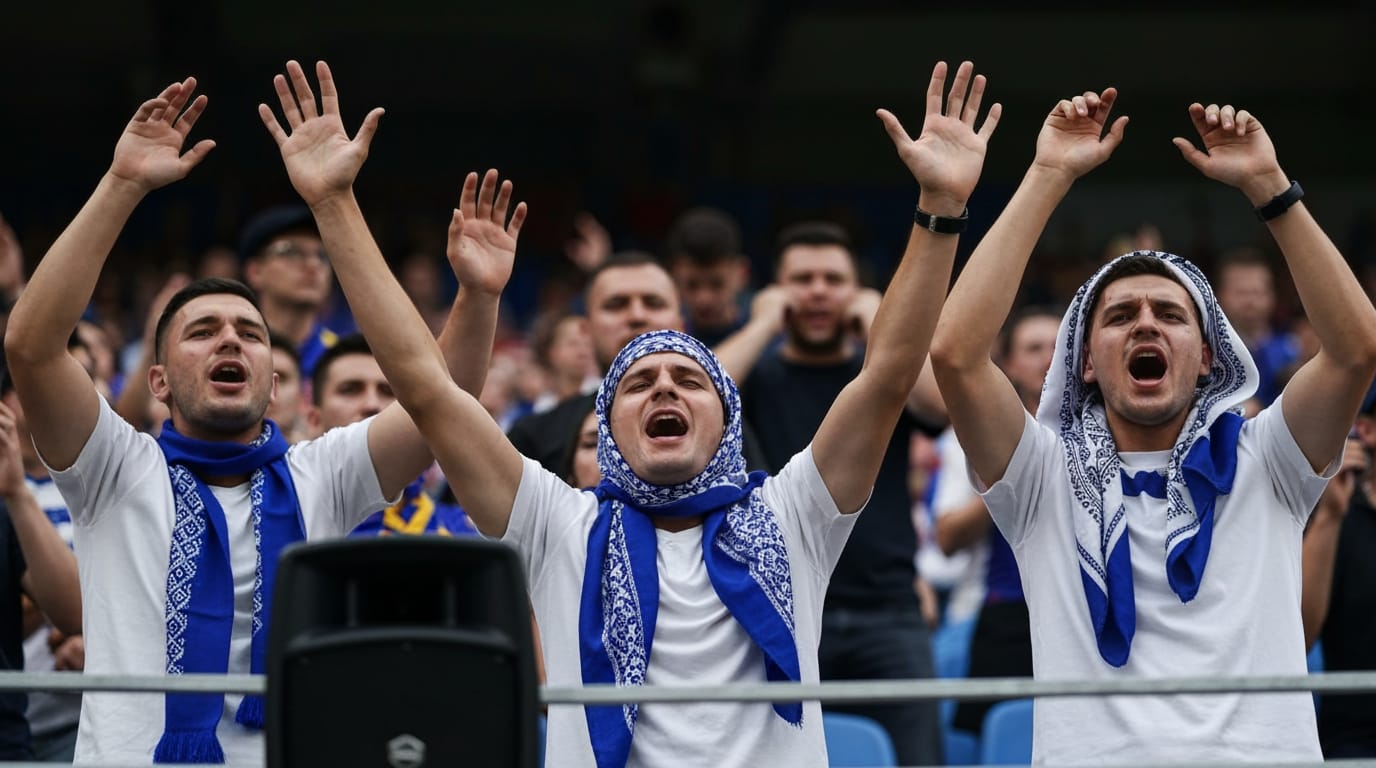
An unlikely anthem from the heart of the Balkans is capturing global attention ahead of the 2026 FIFA World Cup, transforming an 11-year-old satirical track into an electrifying symbol of national pride and footballing dreams. The Bosnian rock band Dubioza Kolektiv's 2011 song "U.S.A.," with its instantly recognizable chorus "I am from Bosnia, Take me to America," has surged to viral fame, becoming an unofficial rallying cry for Bosnia and Herzegovina's second-ever World Cup appearance on North American soil. What began as a poignant commentary on emigration and disillusionment has been re-imagined by fans and the band alike, now embodying the collective joy of a nation bound for the international stage.
From Satire to Stadium Roar: The Song's Unexpected Rebirth
Originally released in 2011, Dubioza Kolektiv's "U.S.A." served as a sharp, satirical reflection on the widespread desire among people from the Balkans to emigrate to America in pursuit of a better life. The lyrics vividly captured the frustrations with domestic systems and the idealized notion of opportunities abroad, often ending with the bittersweet realization that the "American dream" might not be what it seemed. The song's initial resonance stemmed from its honest portrayal of a common societal challenge within the region. However, its meaning took a dramatic and unforeseen turn when Bosnia and Herzegovina secured their spot in the 2026 World Cup, notably by defeating Italy in a penalty shootout in late March. With the tournament set to be hosted across the United States, Canada, and Mexico, the chorus "I am from Bosnia, Take me to America" suddenly acquired a profoundly different, celebratory context. It shifted from an individual yearning for escape to a collective shout of national aspiration, signaling a journey to support their beloved team on one of football's grandest stages.
The Viral Video Phenomenon: Authenticity in an Age of Spectacle
The catalyst for the song's viral explosion was a new music video, unveiled by Dubioza Kolektiv in late May. Far from a high-budget production, the video embraces a raw, authentic aesthetic that resonated deeply with viewers worldwide. It features the band members, clad in yellow jerseys, skillfully dribbling footballs, playing their instruments with fervor, and showcasing the preparation of cevapi, a beloved traditional Balkan grilled meat dish, sizzling on a barbecue. Brano Jakubovic, the band's keyboardist and lyricist, explained that this deliberate low-budget style was key to its appeal, portraying a relatable image of football's grassroots passion. "People recognized that aesthetic that it is what football is actually about, a torn ball and a goal drawn on a wall, and poor (people) playing it," Jakubovic stated, encapsulating the video's connection to the sport's fundamental spirit. Within days, the video amassed several million views across various online platforms, quickly cementing its status as one of the standout musical entries associated with the upcoming World Cup. The band's bassist, Vedran Mujagic, highlighted the significance of this achievement, noting that securing a million views in today's saturated digital landscape is far more challenging than it once was, underscoring the clip's remarkable global reach.
A Global Echo: Why the Song Resonates Beyond Borders
The song's widespread appeal can be attributed to its unique blend of poignant cultural commentary and universal football fervor. While deeply rooted in the Bosnian experience, its themes of yearning, national identity, and the passion for sport transcend geographical boundaries. Fans from around the globe have embraced it, with many dubbing it the "actual World Cup song". This reception underscores a broader yearning for authenticity in an increasingly commercialized sporting world. Dubioza Kolektiv's emphasis on returning football to its "factory settings"—where the game was played by the common person, not just watched by them—strikes a chord with many who feel modern football has lost some of its soul. The infectious rhythm, coupled with a video that radiates genuine joy and local flavor, creates an inclusive atmosphere that invites everyone to partake in Bosnia's World Cup excitement. It represents a refreshing departure from the often polished and corporate anthems typically associated with major sporting events, offering a more organic and heartfelt expression of national pride.
Healing Past Wounds and Forging New Hopes
For Bosnia and Herzegovina, the return to the World Cup stage in 2026 is more than just a sporting event; it carries significant emotional weight. Their only previous appearance, in Brazil in 2014, ended in collective disappointment, notably marred by a controversial disallowed goal in a crucial match against Nigeria. This memory left a lingering "collective trauma" within the nation's footballing narrative. Conscious of this history, Dubioza Kolektiv's reworked version of "U.S.A." includes a new verse in Bosnian specifically designed to acknowledge and, hopefully, help heal this past wound. This thoughtful addition transforms the song into a powerful symbol of resilience and renewed hope, allowing fans to confront past disappointments while embracing a brighter future for their team. As the squad prepares for their first match on June 12 against Canada, the song serves as a potent reminder of the journey they have undertaken and the collective aspiration of a nation united behind its flag. The massive support garnered online is hoped to translate into fervent backing for the team in North America, channeling the digital enthusiasm into tangible stadium energy.
The remarkable journey of Dubioza Kolektiv's "U.S.A." from a satirical critique of emigration to a viral World Cup anthem stands as a testament to the unexpected power of music and sport to intertwine and transform. It showcases how an old melody can find new purpose, capturing the imagination of a nation and the world. As Bosnia and Herzegovina prepares to compete on football's biggest stage, this song, steeped in cultural commentary and now bursting with collective joy, will undoubtedly be ringing in the ears of fans, offering not just a soundtrack, but a narrative of hope, identity, and the beautiful unpredictability of the global game.