Brazilian Lawmakers Vote to Drastically Cut Bolsonaro's 27-Year Prison Sentence Amidst Political Firestorm
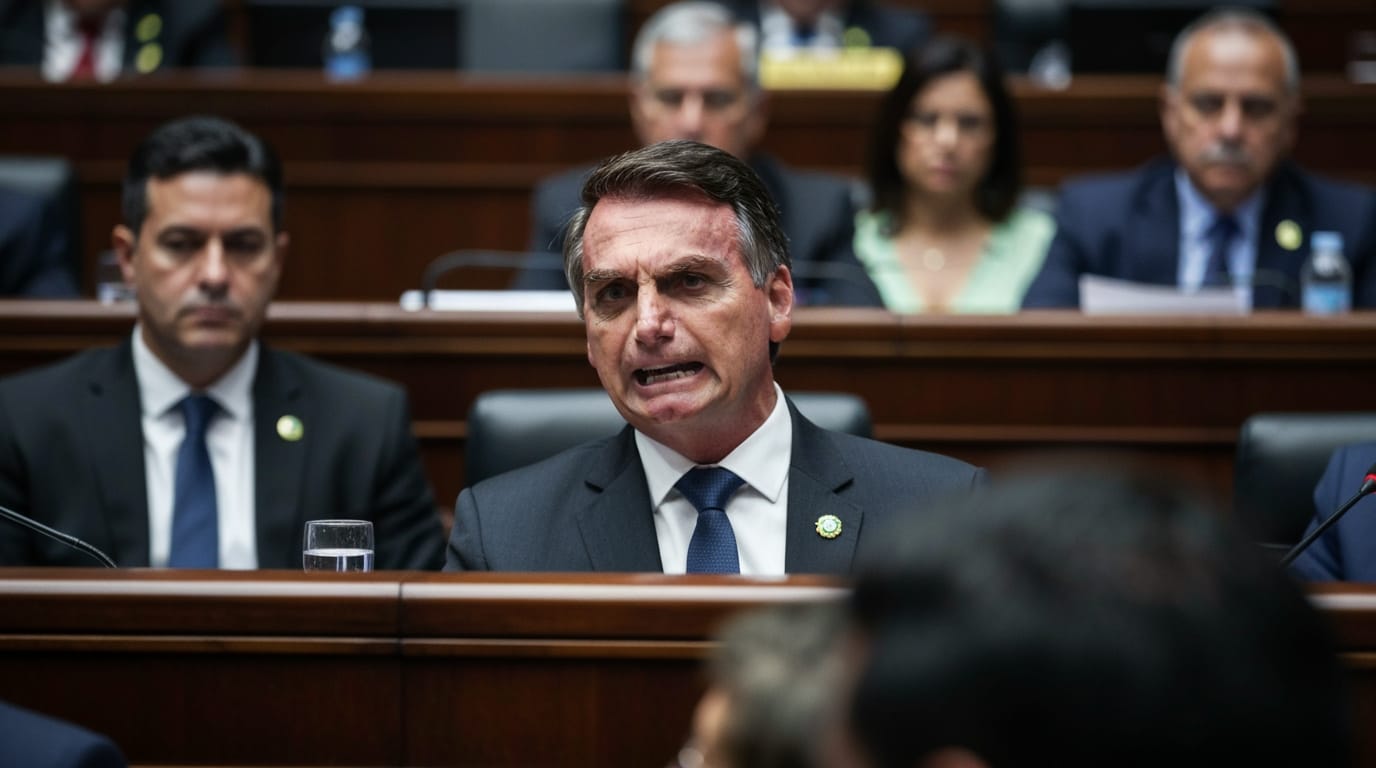
BRASILIA – In a move poised to reshape Brazil's tumultuous political landscape, the nation's lower house of Congress has approved a legislative proposal that could dramatically reduce the 27-year prison sentence of former President Jair Bolsonaro. The contentious bill, passed earlier this week, seeks to shorten the former leader's imprisonment, which began in November after his conviction for orchestrating a coup plot following his 2022 electoral defeat. The legislative action has ignited a fierce debate, drawing sharp criticism from the ruling Workers' Party and reigniting concerns about the integrity of Brazil's democratic institutions.
The Legislative Gambit: A Bold Attempt to Alter Justice
The approved bill, passed by Brazil's lower house on December 9-10, 2025, proposes a significant reduction of the prison terms for various offenses, including those related to attempting a coup d'état. If enacted, the legislation could see Bolsonaro's extensive 27-year, three-month sentence curtailed to a little over two years. Proponents of the bill also intend for it to extend parole to approximately one hundred of Bolsonaro's supporters currently imprisoned for their involvement in the January 8, 2023, assault on government buildings in Brasilia.
The legislative push emerged following failed attempts by Bolsonaro's allies to secure a full amnesty for the former president. Congressman Sostenes Cavalcante openly stated that this sentence reduction represents merely "the first step to achieving our goal," highlighting an ongoing effort to mitigate the legal consequences faced by Bolsonaro and his associates. The timing of the vote, coming shortly after Bolsonaro's son, Senator Flavio Bolsonaro, indicated a willingness to withdraw his 2026 presidential candidacy in exchange for his father's amnesty, underscores the intensely political nature of this legislative maneuver.
The Conviction: A Ruling on Attempted Coup and Democratic Subversion
The legislative efforts directly challenge a landmark judicial decision rendered by Brazil's Supreme Court. On September 11, 2025, a panel of Supreme Court justices convicted Jair Bolsonaro, then 70 years old, of multiple charges stemming from his alleged role in a plot to prevent the peaceful transfer of power to President Luiz Inácio Lula da Silva after the 2022 elections. The court found Bolsonaro guilty on five counts, including leading a criminal organization, attempting to violently abolish the democratic rule of law, and conspiring to assassinate President-elect Lula. This conviction culminated a prolonged investigation into the 2023 Brasilia insurrection, where thousands of Bolsonaro's supporters stormed key government buildings, echoing the January 6, 2021, U.S. Capitol attack.
Bolsonaro, who consistently denied any wrongdoing, had been under house arrest since August 2025. His formal incarceration began in November 2025 after the Supreme Court rejected his final appeal to overturn the 27-year sentence. The judicial process underscored Brazil's commitment to upholding its democratic institutions, sending a strong message that no individual, regardless of former power, is above the law. This conviction was distinct from his earlier declaration of ineligibility by the Superior Electoral Court in June 2023, which banned him from seeking office until 2030 for abusing power and undermining the electoral system.
Political Fallout and Public Backlash
The congressional vote has deepened the already significant political divisions within Brazil. The ruling Workers' Party immediately condemned the bill, with congressional leader Lindbergh Farias calling the initiative "unacceptable." He asserted that the legislation was transparently designed to "benefit Bolsonaro," implying an attempt to create a special legal framework for the former president. This sentiment is widely shared among a significant portion of the Brazilian populace. In September 2025, tens of thousands of Brazilians took to the streets across more than a dozen cities to protest against a potential amnesty bill that could shield Bolsonaro and his allies. President Lula da Silva himself publicly supported these demonstrations, emphasizing the public's desire for accountability and an end to impunity.
The legal troubles of Bolsonaro have also garnered international attention, particularly from the United States. Under President Donald Trump, the U.S. government has been critical of Bolsonaro's conviction, describing it as a "witch hunt" and responding with tariffs on Brazilian exports. This international pressure adds another layer of complexity to Brazil's domestic political struggles, intertwining judicial independence with diplomatic relations and trade policy.
The Path Forward: A Test for Brazilian Democracy
With the bill now approved by the lower house, its fate rests with the Senate. If it successfully navigates the upper chamber and becomes law, Brazil's judiciary would be compelled to reformulate the sentences of those affected, including Bolsonaro, under the new legislative conditions. This prospect raises profound questions about the separation of powers and the potential for political interference in judicial outcomes. Legal analysts and Supreme Court justices have previously expressed concerns about the constitutionality of legislative attempts to pardon individuals convicted of plotting a coup, highlighting the potential for such actions to undermine the rule of law.
The current legislative move by the conservative-leaning Congress represents a critical juncture for Brazil's democratic institutions. The judiciary, particularly the Supreme Court, has been resolute in its stance against attempts to subvert democratic processes, as evidenced by Bolsonaro's conviction. However, the legislative branch is now asserting its power to influence judicial sentences, potentially setting a precedent that could have long-term implications for accountability and justice in cases of political crimes. The coming weeks, as the bill advances to the Senate, will undoubtedly witness intense political maneuvering and public debate, ultimately determining the immediate legal future of Jair Bolsonaro and, by extension, the strength of Brazil's democratic foundations.
Conclusion: A Nation Divided at a Crossroads
The vote by Brazilian lawmakers to reduce Jair Bolsonaro's prison sentence marks a pivotal moment, underscoring the deep ideological fissures that continue to characterize the nation's political landscape. While supporters hail it as a step towards political reconciliation and justice for a leader they believe was unfairly targeted, critics decry it as a brazen attempt to circumvent judicial independence and undermine the rule of law. The intricate interplay between legislative power, judicial authority, and public sentiment will determine the ultimate outcome of this legislative battle. As Brazil navigates these complex challenges, the world watches closely to see whether the nation can uphold its democratic principles in the face of such profound internal divisions.