India Erupts in Kaleidoscope of Joy for Holi Festival
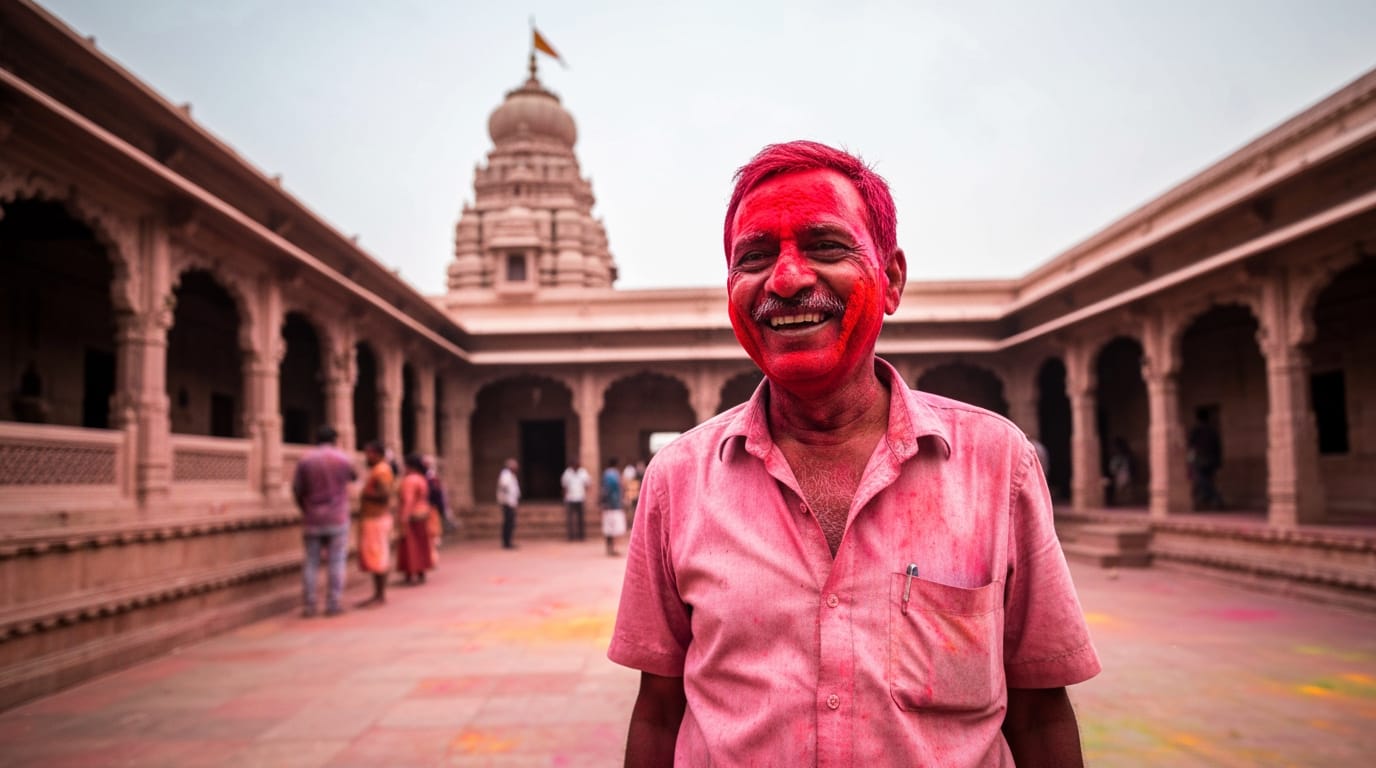
NEW DELHI, India – Millions across India, and indeed much of South Asia, recently immersed themselves in the vibrant hues of Holi, the ancient Hindu festival of colors. This annual spectacle, marking the triumphant arrival of spring and the victory of good over evil, transformed cities, towns, and villages into canvases of joyous revelry, fostering unity and shedding the somber tones of winter for a riot of kaleidoscopic celebration. From the northern plains to the southern coasts, communities engaged in an enthusiastic ritual of smearing brightly colored powders and drenching each other with water, embodying a spirit of renewal and communal harmony that transcends social boundaries.
A Nation Bathed in Color
The essence of Holi lies in its unrestrained, playful expression. On the designated day, typically the last full moon day of the Hindu lunisolar calendar month of Falgun, streets become stages for spontaneous celebrations. Participants, often dressed in white, become living artworks, their faces and clothes quickly covered in a mosaic of pinks, blues, greens, and reds. Children, with an unbridled enthusiasm, take to rooftops and balconies, armed with water balloons filled with pigmented water, targeting passersby below. Young adults engage in lively chases with water guns, while larger groups dance exuberantly in public parks and thoroughfares, surrounded by blaring festive music. The air, particularly in bustling centers like New Delhi, often hangs heavy with a colorful haze, a testament to the sheer volume of powder unleashed in collective merriment.
The celebrations are not limited to dry powders. In cities like Ahmedabad, thousands gather at temples to be sprayed with streams of colored water from immense pipes, swaying to traditional Gujarati melodies. Some areas opt for an even more organic expression, showering participants with marigolds, roses, and jasmine petals, adding a fragrant dimension to the visual spectacle. Beyond the public displays, private gatherings abound, with families and friends exchanging colors, sharing traditional sweets and savories, and enjoying the festive drink known as Thandai, a milk-based beverage infused with dry fruits and spices, a popular indulgence during the festival.
Echoes of Ancient Lore and Divine Love
The jubilant atmosphere of Holi is deeply rooted in rich Hindu mythology, providing profound significance to its colorful customs. One of the most prominent narratives traces the festival's origins to the legend of Holika and Prahlada, signifying the eternal triumph of unwavering faith and righteousness over arrogance and malevolence. According to the tale, the demon king Hiranyakashipu, who considered himself a god, grew enraged by his son Prahlada's devotion to Lord Vishnu. He conspired with his sister, Holika, who possessed immunity to fire, to burn Prahlada to death. However, divine intervention protected Prahlada, and Holika perished in the flames instead. To commemorate this victory, bonfires are lit on the eve of Holi, a ritual known as Holika Dahan, symbolizing the destruction of negativity and evil forces. A massive bonfire composed of 200 tons of wood was reportedly lit in a village in Gujarat, exemplifying the scale of this ritual.
Another significant mythological association links Holi to the divine love and playful antics of Radha and Krishna. The story suggests that Krishna, feeling insecure about his dark complexion compared to Radha's fair skin, was advised by his mother to playfully smear Radha's face with color. This playful act evolved into the tradition of applying colors to one another, symbolizing affection, breaking down superficial differences, and fostering a spirit of joyful equality. This tradition is particularly vibrant in towns deeply associated with Krishna's birth and childhood, such as Mathura and Vrindavan, where elaborate temple rituals and devotional songs form a core part of the celebrations. Holi, therefore, serves as a powerful reminder of rebirth, rejuvenation, and the importance of letting go of past grievances to embrace new beginnings.
Bridging Divides, Fostering Unity
Beyond its mythological and seasonal significance, Holi plays a crucial role in fostering social cohesion. The act of smearing colors on friends, family, and even strangers acts as a powerful equalizer, dissolving traditional social hierarchies and distinctions of caste, creed, age, and status for a day. Everyone is fair game for a splash of color, creating a unique sense of camaraderie and shared experience. This aspect of the festival emphasizes themes of forgiveness, renewal, and togetherness, encouraging individuals to mend broken relationships and forge new bonds.
The festival's reach extends far beyond India's borders. It is a national holiday in India and a two-day event in neighboring Nepal, celebrated with similar fervor and rituals. The Indian diaspora across the globe also observes Holi, carrying its vibrant traditions to cities worldwide, including New York, underscoring its universal appeal and enduring cultural importance. From organized public events to intimate family gatherings, Holi becomes a shared journey of laughter, music, and the simple joy of connection.
A Concluding Riot of Renewal
As the last splashes of color fade and the sounds of celebratory music recede, the spirit of Holi leaves an indelible mark. It is a festival that, year after year, brings millions together in a dazzling display of cultural heritage and communal joy. More than just a celebration of colors, Holi is a powerful affirmation of life, a collective shedding of inhibitions, and a potent reminder of the enduring power of good over evil. It signifies the warmth of spring overcoming the chill of winter, and the human spirit's capacity for unity, forgiveness, and renewal, setting a vibrant tone for the year ahead.


