Brazilians Vote in Presidential Runoff Between Lula and Flávio Bolsonaro
The election decides whether the leftist president wins another term or the conservative movement led by the former president's son takes control of Brazil.
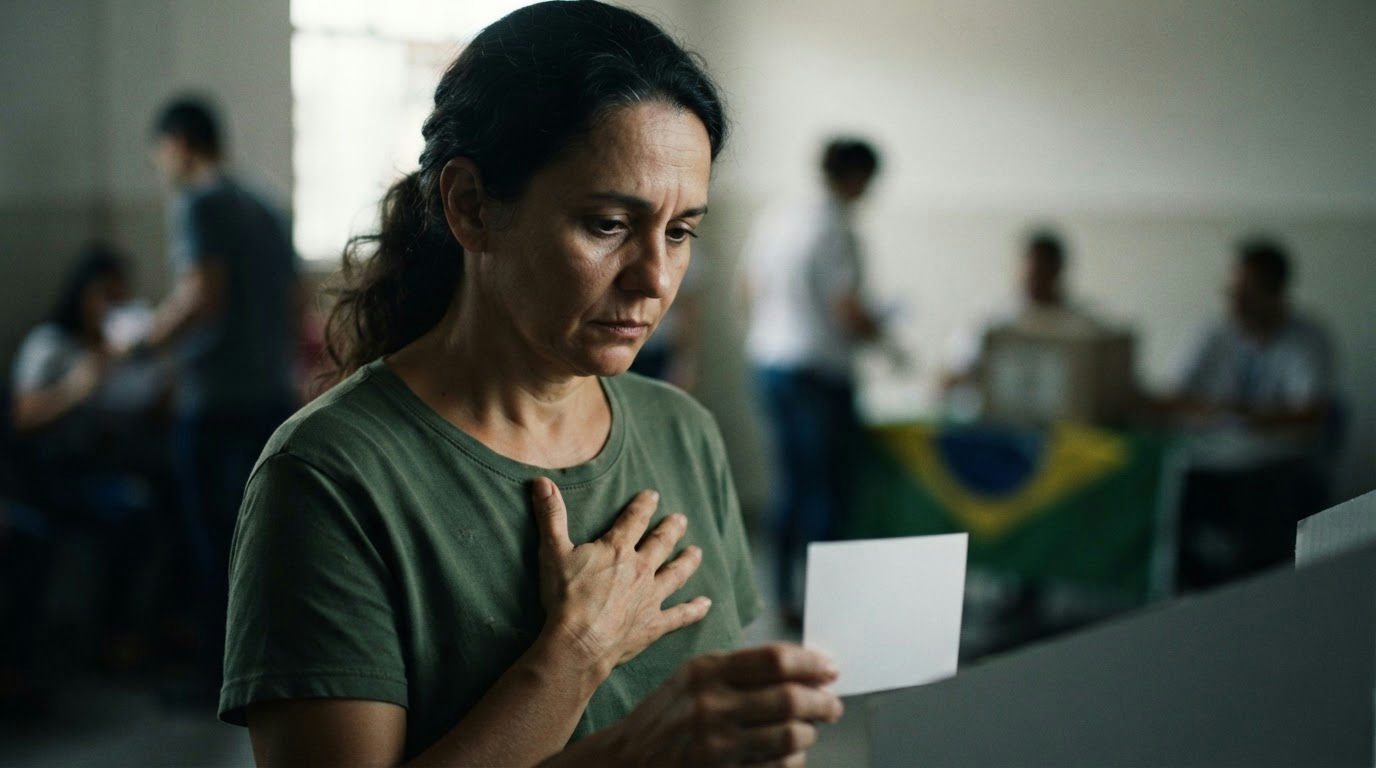
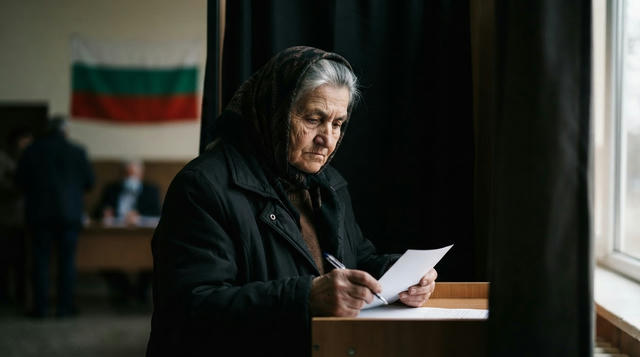
Brazilians voted Sunday, Oct. 25, 2026, in a presidential runoff election between incumbent leftist President Luiz Inácio Lula da Silva and conservative Senator Flávio Bolsonaro. Polling places across most of the country opened at 8:00 a.m. and closed at 5:00 p.m. Brasília time. The nation utilized its fully electronic voting system to record the ballots.
The runoff vote was triggered after neither candidate secured an outright majority in the Oct. 4 first round. Flávio Bolsonaro finished ahead by more than 2.2 million votes, securing 47.03 percent against Lula's 45.16 percent. Final polls by Datafolha and Quaest showed Bolsonaro narrowly leading with 51 percent against Lula's 49 percent, a statistical tie.
No candidate in the history of Brazilian democracy has ever trailed in the first round and won the runoff. Beside the presidential contest, runoff ballots decided gubernatorial races in six states and federal jurisdictions. Nearly 160 million Brazilians are registered under mandatory voting laws, though over 33 million citizens abstained during the first round.
Lula, 80 years old, represents the Workers' Party and is seeking a fourth non-consecutive presidential term. Flávio Bolsonaro, 45, is a senator representing Rio de Janeiro and a member of the Liberal Party. His father, former President Jair Bolsonaro, is serving a 27-year sentence under house arrest for attempting a coup after the 2022 election.
Flávio Bolsonaro remains under investigation by the federal police in two inquiries concerning alleged corruption and money laundering. Bolsonaro campaigned on promises to pardon his father, cut spending and taxes, and crack down heavily on organized crime. He also advocated close diplomatic alignment with the United States and U.S. President Donald Trump regarding security and rare minerals.
Lula framed the contest as an urgent battle to protect Brazilian democracy against authoritarianism. At a rally on Copacabana beach, he emphasized national sovereignty and characterized his campaign as a fight to defend social rights. Ahead of the runoff, Lula cut fuel taxes, proposed student welfare increases, and backed a 40-hour workweek bill.
Lula voiced concerns that foreign powers might interfere in the election, an allegation Washington dismissed as baseless. The vote followed right-wing triumphs across Latin America, including presidential elections in Chile, Peru, and Colombia. During legislative races, Bolsonaro's Liberal Party won the largest blocs in both the Senate and the Chamber of Deputies.
The Superior Electoral Court in Brasília will process encrypted electronic returns and expects to publish official results Sunday evening. The candidate certified as the winner of the runoff election is scheduled to be inaugurated as president on Jan. 5.