Bulgarians Vote in Presidential Election Shaped by Regional Security Concerns
The vote tests the governing coalition of Prime Minister Rumen Radev as the country balances European alliances with debates over relations with Moscow.
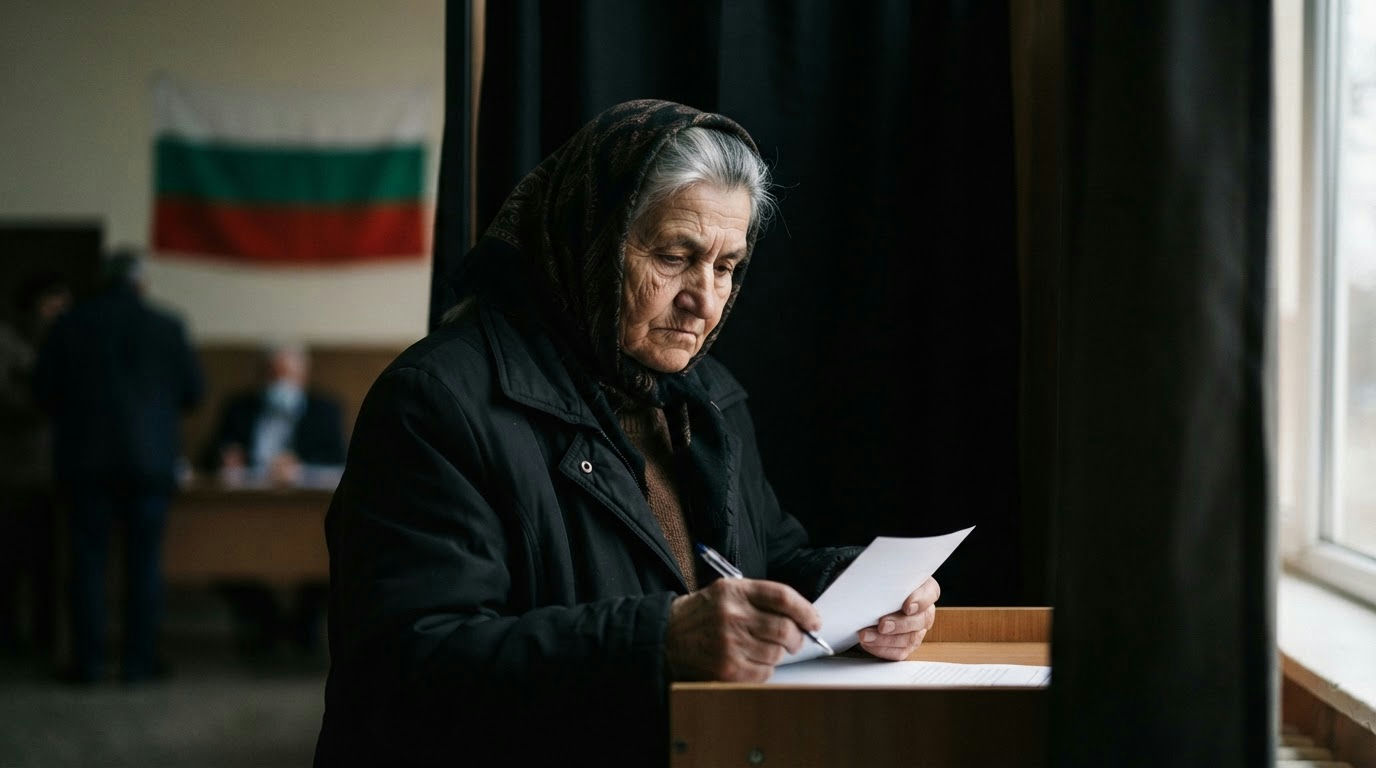
Bulgarians cast ballots on Sunday, Oct. 25, 2026, in the first round of the country's presidential election. Polling stations opened across the nation at 7:00 a.m. local time and were scheduled to close at 8:00 p.m.
The election was shaped by the war in Ukraine, rising inflation, and high energy prices. Campaign discussions also focused on recent drone strikes targeting at least seven commercial ships in the Black Sea. Those attacks killed two people and left at least 25 missing off the coasts of Bulgaria and Romania.
Incumbent President Iliana Yotova entered the race as the front-runner. Yotova, a 62-year-old former journalist and former European Parliament member, took office in January 2026. She previously served two terms as vice president under Rumen Radev, who stepped down to enter parliamentary politics.
Yotova ran as an independent endorsed by Radev's Progressive Bulgaria party and the Bulgarian Socialist Party. Bulgarian News Agency director Kiril Valchev joined her ticket as the vice-presidential candidate. At a rally, Yotova said she favored peace negotiations over force, adding that no Bulgarian troops would deploy to Ukraine.
Her platform aligned with Radev’s stance favoring diplomatic outreach to Moscow, opposing military aid to Ukraine, and seeking to lift sanctions. Bulgaria's parliament approved a declaration in 2025 barring national armed forces from participating in hostilities in Ukraine. The government also requested international maritime security assistance after the Black Sea strikes.
Main challenger Andrey Gyurov ran as an independent backed by pro-Western reformist opposition parties, alongside running mate Georgi Kandev. Gyurov, an economist and former central bank deputy governor, campaigned on strengthening adherence to European Union and NATO alliances.
Revival party leader Kostadin Kostadinov placed third in pre-election polling with approximately 10% to 13% support. Former Prime Minister Boyko Borisov's GERB party chose not to field a candidate. Borisov announced he would not vote for Yotova and voiced reservations about supporting Gyurov.
The vote served as the first major electoral test for Radev since his party took power in April 2026. Bulgaria's president serves as head of state and commander-in-chief with veto power, while executive governance remains with the prime minister.
Market Links polling from mid-October placed Yotova ahead with 47.3% support against Gyurov at 30.6%. Euronews reported consensus polling that estimated Yotova between 41% and 47%, compared with Gyurov at 28% to 31%. A victory would make Yotova the first woman elected president of Bulgaria by popular vote.
Turnout was projected to fall below the 50% threshold needed to avoid a second round. The Central Election Commission is scheduled to announce preliminary results on Monday, Oct. 26. A presidential runoff election is scheduled for Sunday, Nov. 1, 2026.