Bridging the Generational Divide: PM Modi's Quest to Connect with India's Gen Z
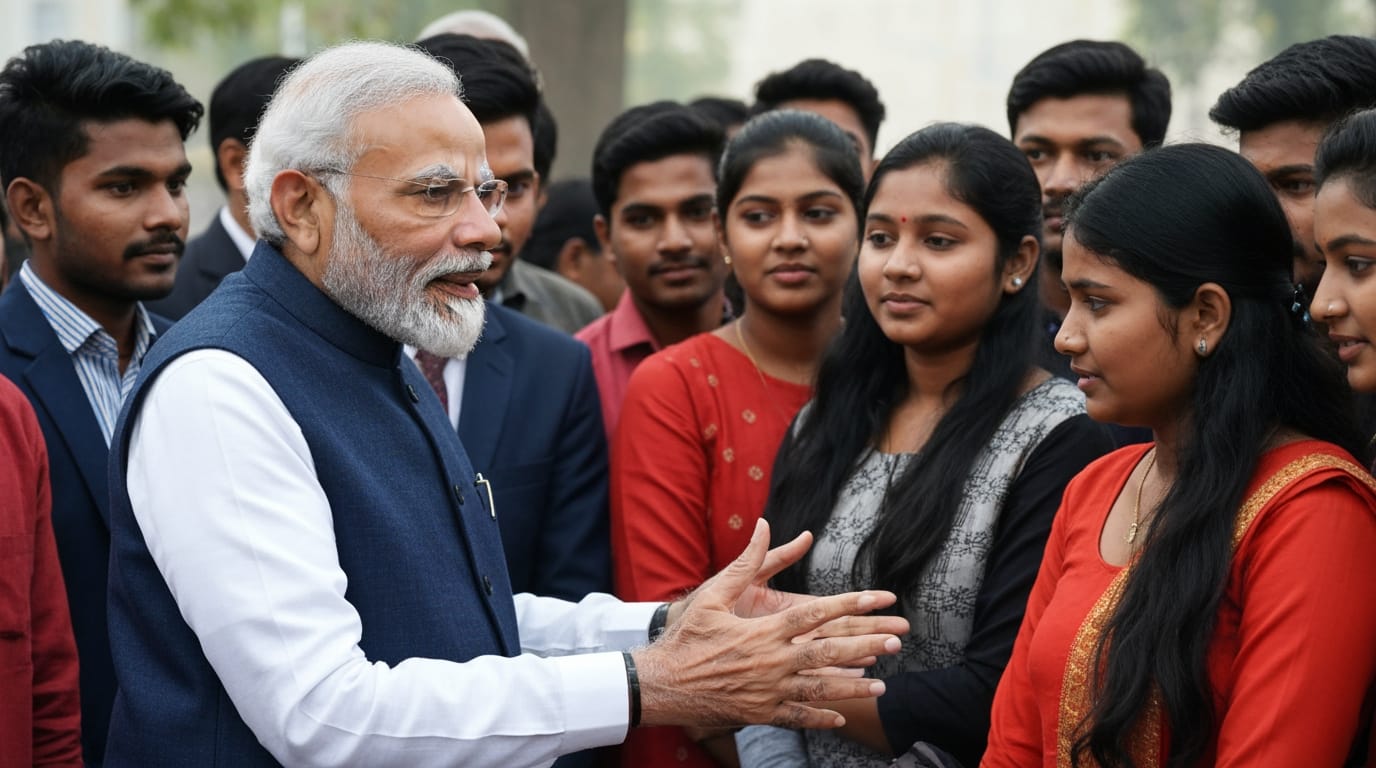
India's political landscape is witnessing a significant shift as Generation Z, a demographic cohort of immense digital fluency and a distinct set of aspirations, increasingly asserts its presence. Prime Minister Narendra Modi and the ruling Bharatiya Janata Party (BJP) are actively navigating this evolving terrain, employing sophisticated digital strategies and policy initiatives in an effort to forge a stronger connection with this vital segment of the electorate. However, deep-seated concerns, particularly around employment and systemic integrity, pose considerable challenges to these outreach efforts, suggesting a complex and nuanced relationship between the nation's leadership and its youngest voters.
India's Emerging Political Force: The Rise of Gen Z
Comprising individuals largely born between 1997 and 2012, India's Gen Z represents a powerful, digitally native demographic that is reshaping political discourse. Unlike previous generations, their engagement is often characterized by an issue-based mindset rather than unwavering loyalty to traditional political affiliations. This generation consumes information differently, relying heavily on social media platforms for news and interaction, and demands a level of responsiveness from political leaders akin to digital platforms. The sheer size of this cohort, alongside their increasing political consciousness, signifies that their concerns and perspectives are becoming an undeniable force in the country's democratic process.
The Unemployment Crisis and Systemic Frustrations
At the heart of Gen Z's discontent lies the persistent challenge of unemployment and a perceived breakdown of meritocratic pathways. Government data indicates a stark reality: unemployment among Indians aged 15 to 29 reached 16.2% in June, a significant increase from 13.8% in April 2025 and notably higher than the national average. More critically, a staggering two out of every three unemployed young Indians now hold a degree, highlighting a widening gap between educational attainment and quality job creation. This issue has been exacerbated by frequent incidents of paper leaks and alleged irregularities in competitive examinations, which are often viewed as the primary route to secure employment and upward mobility.
These frustrations coalesced dramatically in recent months through protests organized by groups like the "Cockroach Janta Party" (CJP). Initiated partly in response to judicial remarks and intensified by widespread exam paper leaks, these youth-led movements brought thousands to the streets, demanding accountability and reform. The protests, which saw the resignation of Education Minister Dharmendra Pradhan, underscored Gen Z's willingness to engage in collective action and challenge established norms, signalling a generation that expects institutions to safeguard merit and opportunity. Political strategists observe that these movements resonate deeply because young Indians increasingly frame institutional failures as moral questions rather than mere administrative oversights.
Modi's Digital Outreach and Policy Responses
In response to this evolving dynamic, Prime Minister Modi and his administration have amplified their efforts to connect with Gen Z, particularly through digital channels. The Prime Minister himself is a highly active and influential figure on social media, consistently topping engagement charts across platforms like Facebook, X, YouTube, and Instagram, often surpassing professional content creators. His posts typically combine emotionally charged visuals, direct communication, and strong positioning on national issues, driving substantial reactions and shares.
Recognizing Instagram's prominence as a primary information source for young Indians, PM Modi has urged his Union ministers to significantly increase their presence and activity on the platform, specifically advising them to share reels and short videos highlighting government schemes and initiatives. This strategic pivot aims to directly communicate government achievements and policies to a generation that relies on short-form, visually engaging content.
Beyond digital engagement, the government has also implemented policy-driven responses to address some of Gen Z's concerns. The "Digital India" initiative, launched in 2015, aimed to enhance digital literacy, connect rural areas with high-speed internet, and promote online public services, aligning with the digital-first outlook of Gen Z. More recently, in the wake of the exam paper leak protests, the government acted swiftly by introducing an anti-paper leak bill with stricter penalties and establishing a high-powered task force to ensure transparent and trustworthy examinations. Additionally, PM Modi launched the "Nasha Mukt Yuva for Viksit Bharat Sankalp Abhiyan," a nationwide anti-drug campaign, directly engaging youth and framing them as the "Amrit Peedhi" crucial for achieving a developed India by 2047.
Bridging the Divide: A Complex Challenge
While PM Modi's robust digital presence and the government's responsive policy measures demonstrate a clear intent to engage Gen Z, the effectiveness of these efforts remains a subject of ongoing observation. The scale of youth unemployment and the pervasive sense of systemic shortcomings are significant hurdles. Experts suggest that merely changing communication styles may not be sufficient if fundamental issues like job creation and educational integrity are not comprehensively addressed. Political strategists highlight that Gen Z's fluidity in political alignment, supporting parties on one issue and opposing them on another, makes them a challenging constituency to consistently win over.
The recent CJP protests, for instance, were not merely about administrative failures but reflected a deeper frustration with a system many young people feel no longer rewards merit. While some within the ruling party maintain confidence that Gen Z has always supported PM Modi, others acknowledge the need for renewed leadership and policy solutions that genuinely connect with young India's aspirations. The blend of digital outreach, legislative action, and public campaigns indicates a multi-pronged approach, yet the ultimate success will likely hinge on the government's ability to demonstrate tangible improvements in the areas that matter most to this politically conscious and digitally empowered generation.
Conclusion
India stands at a critical juncture where the voice of Generation Z is becoming increasingly pronounced and influential. Prime Minister Modi's administration is actively seeking to bridge the gap with this crucial demographic through extensive digital engagement and targeted policy interventions. However, the pervasive concerns surrounding youth unemployment, educational integrity, and access to opportunities present a formidable challenge. The recent youth-led protests underscore that while digital communication is vital, it must be complemented by substantive solutions that address the core grievances of a generation demanding responsiveness, transparency, and a fair chance at a secure future. The ongoing efforts to connect with Gen Z will likely shape the future trajectory of Indian politics, making their engagement a central focus for any political leadership aiming for long-term relevance.


