British Columbia Declares Emergency as Explosive Wildfires Threaten Communities
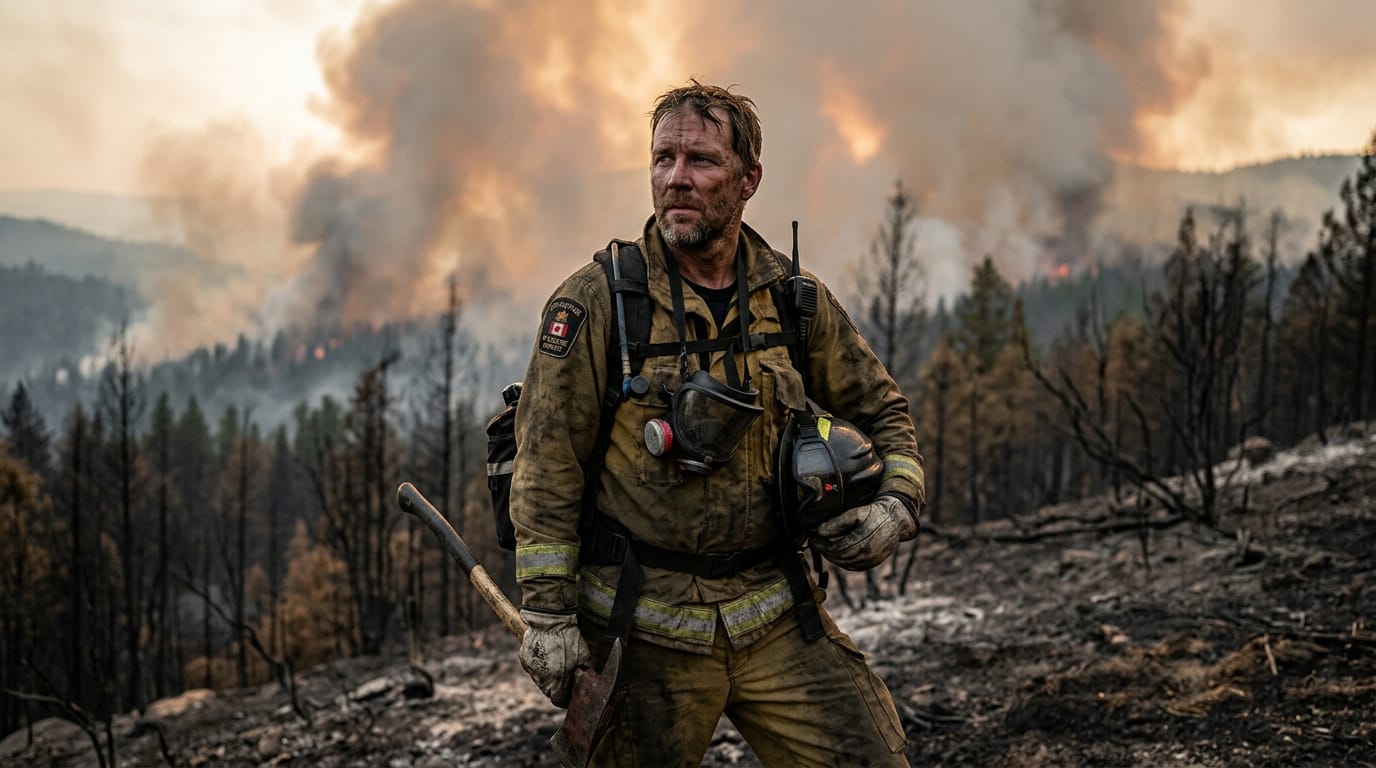
VANCOUVER, British Columbia – British Columbia has once again plunged into a provincial state of emergency, as rapidly spreading wildfires force tens of thousands from their homes and cast a pall of smoke over the region. The declaration, made on Saturday, August 8, 2026, by Premier David Eby, comes as the fast-moving Bald Range wildfire demonstrates "explosive" growth, overwhelming local resources and threatening entire communities in the Okanagan Valley.
The Rapid Escalation of the Bald Range Wildfire
The Bald Range wildfire, first reported on Friday evening, escalated dramatically, growing to approximately 50 square kilometers (19 square miles) within hours and reaching 9,500 hectares by early Saturday. Originating about 15 kilometers west of Summerland, the fire's speed and intensity forced the immediate evacuation of the entire community of Summerland, home to about 12,000 people, along with an additional 8,000 residents in and around Peachland. Emergency Management Minister Kelly Greene highlighted the "dynamic and threatening situation," noting significant losses of homes and properties, with some individuals becoming trapped and requiring rescue as conditions changed rapidly. Erick Thompson, an emergency official, described it as one of the "quickest-moving, fastest-growing" wildfires the region has experienced, forcing him to evacuate his own family. Power outages have affected Summerland, leading to a boil water notice after the municipal water treatment plant was bypassed due to the wildfire threat. The provincial state of emergency grants the government additional powers, including the ability to restrict non-essential travel to affected areas and secure accommodations for the swelling number of evacuees. Currently, around 1,500 firefighting personnel are deployed across the province, managing 39 evacuation orders and 49 alerts.
Echoes of the Past: The Unprecedented 2023 Wildfire Season
This latest crisis unfolds less than three years after British Columbia endured its most destructive wildfire season on record in 2023, a harrowing period that saw the province under a provincial state of emergency for 28 days. That year, 2,245 wildfires scorched an unprecedented 2,840,545 hectares—more than double the area burned in any previous year. The sheer scale of the 2023 fires resulted in 208 evacuation orders, displacing over 48,000 people, with an additional 137,000 placed on evacuation alert. The economic toll was substantial, with an estimated $945 million in insured damages in the Okanagan and Shuswap regions alone, and fire suppression costs reaching $817 million. The tragic season also claimed the lives of six wildland firefighters, underscoring the extreme dangers faced by those on the front lines. Key events from 2023 included the McDougall Creek wildfire in West Kelowna, which grew to 6,800 hectares and led to mass evacuations. Travel bans and advisories issued during the crisis severely impacted the tourism industry, a crucial economic driver for many B.C. communities.
The Human Toll and Economic Strain Persist
The recurring and escalating wildfire events have profound human and economic consequences. Beyond the immediate threat to life and property, displaced residents face immense stress and uncertainty, with many losing their homes and livelihoods. The psychological impact on communities, including first responders, is significant and long-lasting. Economically, the fires continue to devastate British Columbia's vital tourism sector. Travel advisories and smoke plumes deter visitors, impacting hotels, restaurants, and other businesses. The provincial government has noted increased spending to protect communities and respond to wildfires, contributing to a projected deficit increase. Efforts are underway to assess the full economic impact, with organizations like the British Columbia Economic Development Association (BCEDA) conducting surveys to quantify losses experienced by businesses in affected Indigenous and non-Indigenous communities.
Climate Change: Fueling the Firestorm
Experts and government officials consistently link the increasing frequency and intensity of British Columbia's wildfire seasons to climate change. The 2023 fire season was not an anomaly but a direct result of over a century of altered human-forest-wildfire relationships exacerbated by a warming climate. Warmer and drier conditions in Western North America are creating extreme fire weather, making large wildfires seven times more likely. Over the past seven years (2017-2023), more land has burned than in the preceding 58 years combined. Studies have directly attributed the increased likelihood of extreme fire weather and expanded burned areas to anthropogenic climate change. Looking ahead, climate models predict a 41% increase in lightning frequency worldwide by the end of the century, with British Columbia's western coast identified as a high-risk area. Lightning is the primary cause of wildfire ignitions in the province. This grim outlook necessitates urgent and transformative changes in wildfire management and forest policy to build resilience within ecosystems and communities. Strategies include diversifying wildfire response, investing in suppression capacity, mitigating risk in the wildland-urban interface, and transforming wildfire governance to support collaborative, community-based solutions.
A Province Grappling with a New Reality
As British Columbia battles the latest wave of devastating wildfires, the province confronts a stark reality: severe fire seasons are becoming the new normal. The declaration of another state of emergency underscores the ongoing challenges posed by a changing climate and the immense pressure on emergency services and communities. While immediate efforts focus on containing the Bald Range wildfire and ensuring public safety, the long-term struggle involves implementing comprehensive strategies for prevention, adaptation, and recovery. The resilience of British Columbians will be continually tested as the province navigates these increasingly volatile fire seasons, demanding sustained commitment to innovative solutions and collaborative action to coexist with wildfire in the years to come.


