British Columbia Grapples with Unprecedented Wildfire Crisis, Thousands Displaced
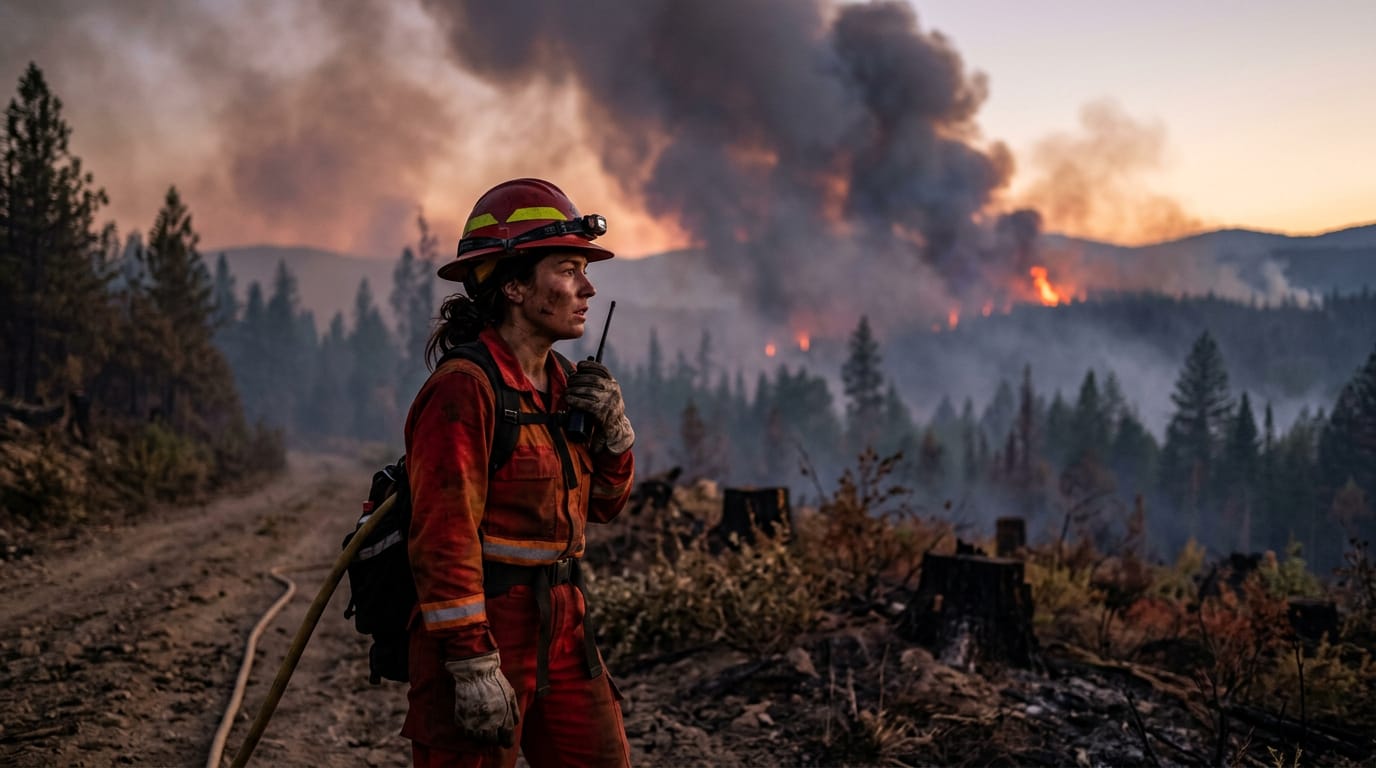
KELOWNA, B.C. – British Columbia is facing an escalating wildfire crisis, prompting the provincial government to declare a state of emergency as fast-moving infernos force tens of thousands from their homes and cast a pall of smoke across the region. With over 100 wildfires burning across the province, nearly half remain out of control, fueled by a relentless combination of drought, high temperatures, and strong winds. The situation has been described by one official as "like a bomb going off," highlighting the extreme and volatile nature of the blazes.
The Okanagan Valley, a vital agricultural and tourism hub, has been particularly hard-hit, with the Bald Range wildfire emerging as the most immediate and destructive threat. This single blaze, reported Friday evening, has rapidly expanded to engulf approximately 103 square kilometers (39 square miles) as of Sunday, forcing the complete evacuation of Summerland, a community of about 12,000 residents, and thousands more from neighboring Peachland. In total, nearly 22,000 people are under evacuation orders, with an additional 9,700 on alert, ready to flee at a moment's notice.
The Rapidly Expanding Inferno and Human Toll
The speed and intensity of the Bald Range wildfire have overwhelmed emergency services, turning serene landscapes into scenes of frantic escape. Within hours of its initial report, the blaze consumed the smaller community of Faulder and raced towards Okanagan Lake, covering approximately 15 kilometers with alarming rapidity. British Columbia Premier David Eby acknowledged "significant structure loss," with homes already confirmed destroyed. The Royal Canadian Mounted Police are currently investigating a possible wildfire-related fatality near Summerland, underscoring the tragic human cost of the disaster.
Many residents found themselves trapped by the fast-advancing flames, necessitating dramatic rescues by firefighting helicopters. Erick Thompson, an emergency official with the Regional District of Okanagan-Similkameen, described the Bald Range wildfire as one of the "quickest-moving, fastest-growing" blazes the region has ever experienced, even forcing him to evacuate his own family. The entire city of Kelowna, home to 150,000 people, is currently blanketed in thick smoke, a stark reminder of the widespread impact of the fires.
Persistent Drought Fuels "Explosive" Conditions
The current wildfire season is the culmination of prolonged and severe drought conditions across British Columbia. Long-term precipitation deficits have led to above-average drought levels in critical regions, including the Chilcotin, Lower Thompson, Okanagan, and Vancouver Island, with some areas experiencing extreme drought at Level 5. This persistent dryness, coupled with a warmer-than-normal summer forecast, has created an environment highly susceptible to rapid fire spread. BC Wildfire Service director of operations Cliff Chapman characterized the current fire conditions across the province as "explosive," an unprecedented level of danger.
While approximately half of the fires have been sparked by lightning, the underlying dry conditions ensure that any ignition quickly escalates into a major threat. Adding to the peril, forecasts predict thunderstorms in parts of the interior, raising concerns about potential dry lightning strikes that could ignite new fires or intensify existing ones. Experts have indicated that the amount of rain needed to alleviate the multi-year drought across affected regions is unlikely this summer, suggesting the core wildfire season will peak through July and August, potentially extending well into September and beyond.
Coordinated Response and Broader Implications
In response to the crisis, British Columbia's declaration of a state of emergency provides the province with enhanced powers, including the ability to restrict non-essential travel and secure accommodations for the thousands of displaced residents. Firefighting efforts are a massive undertaking, with approximately 1,500 personnel deployed within B.C., supported by crucial international aid from Mexico, Australia, and New Zealand, as well as inter-provincial assistance from Alberta, Quebec, and the Yukon. The federal government has also pledged resources to assist with the disaster.
Beyond the immediate danger, the wildfires pose significant environmental and economic repercussions. The Okanagan region, renowned for its wine production, faces severe impacts on its agricultural sector. The vast plumes of smoke are causing widespread air quality concerns, affecting not only British Columbia but also parts of the United States. The economic toll of wildfires in British Columbia is substantial, with total costs for 2018-2024 estimated at $7.64 billion CAD, encompassing suppression efforts, property damage, and health-related expenses. These costs consistently exceed firefighting budgets, with health impacts alone, such as increased emergency healthcare utilization and premature deaths, placing a heavy burden on the healthcare system. The 2026 wildfire season is projected to continue the trend of escalating financial and social costs.
A Future Shaped by Climate Realities
Canada, particularly British Columbia, has experienced increasingly destructive wildfire seasons in recent years, with climate change identified as a primary driver. Rising temperatures, prolonged droughts, and more frequent extreme weather events contribute to fires that start earlier, burn longer, spread faster, and are more challenging to contain. The 2026 season has already seen fire danger building across Canada, with B.C. facing the highest and most sustained risk.
The ongoing crisis underscores the urgent need for enhanced preparedness and mitigation strategies. The BC Wildfire Service has been investing in expanded on-the-ground equipment, increased personnel, and advanced predictive technologies to bolster its response capabilities. However, the sheer scale and intensity of this year's fires demonstrate that communities and governments must continue to adapt to a new climate reality, integrating fire management strategies that emphasize prevention, mitigation, preparedness, and recovery to build greater resilience against future events.
The British Columbian community, though facing immense challenges, is exhibiting remarkable resilience, with countless acts of compassion and support emerging amidst the devastation. As the province navigates this difficult period, the long-term impacts of the 2026 wildfire season will undoubtedly shape future policies and community planning efforts.


