Building a Bulwark Against Tremors: How Nations Engineer Resilience in an Earthquake-Prone World
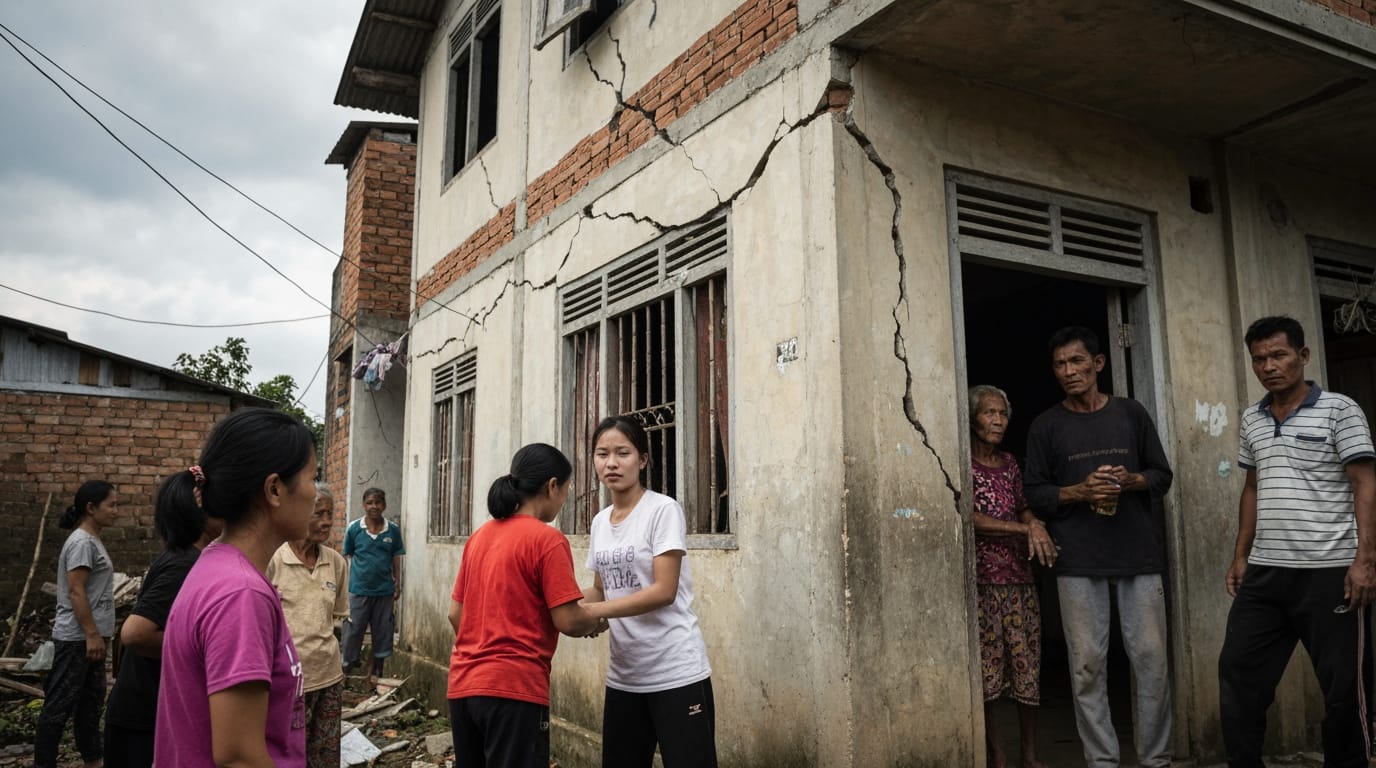
The ground beneath our feet is rarely still. In a world shaped by shifting tectonic plates, earthquakes remain one of humanity's most unpredictable and destructive natural adversaries. Yet, across the globe, nations have learned to coexist with this seismic reality, transforming vulnerability into resilience through a multifaceted approach that integrates advanced engineering, cutting-edge technology, and robust community preparedness. The journey to mitigate the devastating impact of these tremors is a continuous testament to human ingenuity and collaborative action.
The threat posed by earthquakes is profound, stemming from the sudden release of energy in the Earth's crust that generates seismic waves. While the phenomenon is natural, the catastrophic human toll and economic devastation are largely amplified by inadequately prepared infrastructure. A stark reminder of this reality is the fact that building collapses account for a significant majority of earthquake-related deaths. For countries nestled along the volatile "Pacific Ring of Fire" or other active seismic zones, such as Japan, Chile, and New Zealand, developing strategies to withstand these forces is not merely an option but a matter of national survival and economic stability.
Engineering for Survival: The Bedrock of Resilient Construction
At the forefront of earthquake resilience are stringent building codes and innovative seismic engineering. These regulations are designed to ensure structures can resist ground motion, minimize damage, and, most critically, prevent collapse during an earthquake, safeguarding lives and property. The evolution of these standards often follows major seismic events, incorporating lessons learned from past disasters.
Japan stands as a global exemplar in earthquake-resistant construction, a necessity given its high seismic activity, experiencing approximately 1,500 noticeable earthquakes annually. The country's building standards have significantly advanced since the 1981 New Anti-seismic Design Standard, which mandates that buildings must withstand powerful tremors with minimal damage and, in the case of even stronger quakes, avoid collapse entirely. Japanese innovation has led to three primary seismic design types: "Taishin" (earthquake resistance), "Seishin" (vibration control), and "Menshin" (base isolation). The "Menshin" system, for instance, involves placing structures on flexible layers, such as laminated rubber bearings and dampers, that decouple the building from ground motion, allowing it to sway rather than absorb the full force of an earthquake. Iconic structures like the Tokyo Skytree exemplify this prowess, utilizing advanced damping systems and flexible designs to endure powerful quakes.
Similarly, Chile, frequently struck by high-magnitude earthquakes, has developed some of the world's most rigorous building codes since the 1970s. These standards require new constructions to withstand magnitude 9.0 earthquakes, a critical factor in the country's ability to limit casualties even during intense seismic events. New Zealand, another nation in a highly seismic region, consistently updates its design standards in response to new scientific data on earthquake risk. The proposed TS 1170.5, for example, aims to significantly increase design seismic loads and adjust for ground conditions, moving its standards closer to those in Japan and the western United States.
Investing in resilient design and retrofitting existing structures offers substantial economic benefits. Studies indicate that for every dollar spent on mitigation, society can save multiple dollars in post-disaster recovery costs, with some estimates suggesting a return of $4 to $7 for every $1 invested. This not only reduces repair and replacement costs but also minimizes business interruptions and preserves economic stability.
Beyond the Structure: Early Warning and Public Preparedness
While structural integrity is paramount, resilience extends far beyond the physical building. Advanced early warning systems (EWS) and comprehensive public preparedness programs are crucial for saving lives and reducing injuries.
Earthquake early warning systems operate by detecting the faster, less destructive primary waves (P-waves) of an earthquake and rapidly transmitting alerts before the arrival of the more damaging secondary waves (S-waves). Countries like Japan, Mexico, and the United States (with its ShakeAlert system on the West Coast) have operational EWS that provide precious seconds to minutes of warning. This brief window allows for critical actions such as automated shutdowns of machinery, stopping trains, and enabling individuals to "Drop, Cover, and Hold On," significantly reducing injuries and fatalities. However, the effectiveness of these systems hinges on public education and timely, actionable responses. Studies in Japan have shown that despite receiving alerts, a significant portion of the population may not immediately take protective actions, highlighting the need for continuous training and clear communication strategies.
Public education and regular drills are cornerstones of a prepared society. Initiatives like the "Great ShakeOut" encourage millions worldwide to practice protective actions. Schools play a vital role in this, integrating earthquake preparedness into their curriculum and conducting drills to ensure students know how to respond during and after an earthquake. Community-level planning, involving local governments, emergency managers, and volunteer networks, is equally important. These efforts include identifying local vulnerabilities, developing evacuation plans, and training community members in first aid and search and rescue. The active involvement of residents in disaster prevention plans enhances awareness and strengthens the collective adaptive capacity of communities.
The Long Road to Recovery: Rebuilding and Sustaining Resilience
The aftermath of an earthquake demands not just immediate relief but a sustained commitment to recovery and reconstruction. This process goes beyond rebuilding damaged physical infrastructure; it encompasses restoring social fabric, economic stability, and environmental integrity. The principle of "Building Back Better" (BBB) guides post-disaster efforts, advocating for the reconstruction of infrastructure and communities in a way that enhances their resilience to future hazards. This involves integrating disaster risk reduction measures into all aspects of planning, from housing and health to transport and energy systems.
Long-term recovery initiatives address housing needs, revive local economies, and ensure the continuity of essential services like healthcare and education. International organizations, such as the World Bank, play a significant role in providing financial and technical assistance, sharing best practices, and helping affected governments make crucial decisions for post-earthquake recovery.
However, the path to resilience is not without its challenges, particularly in developing nations. Rapid population growth in disaster-prone regions, coupled with insufficient enforcement of building codes and limited resources for retrofitting older structures, can exacerbate vulnerabilities. The experience of countries like Türkiye, where newer, inspected public buildings performed better than privately owned structures with less oversight, underscores the critical need for consistent enforcement of regulations across all construction types.
Ultimately, living with earthquakes and building resilience is an ongoing journey that requires a multi-layered, adaptive approach. It is a continuous blend of cutting-edge scientific research, robust engineering solutions, technological innovation, widespread public education, and strong community engagement. By investing in these areas, nations strive not only to minimize the immediate devastation of seismic events but also to foster a sustained capacity for recovery and a safer, more resilient future for their populations.